


Paragraph 1: The Dallas Wings’ Meteoric Rise Through Top Draft Picks
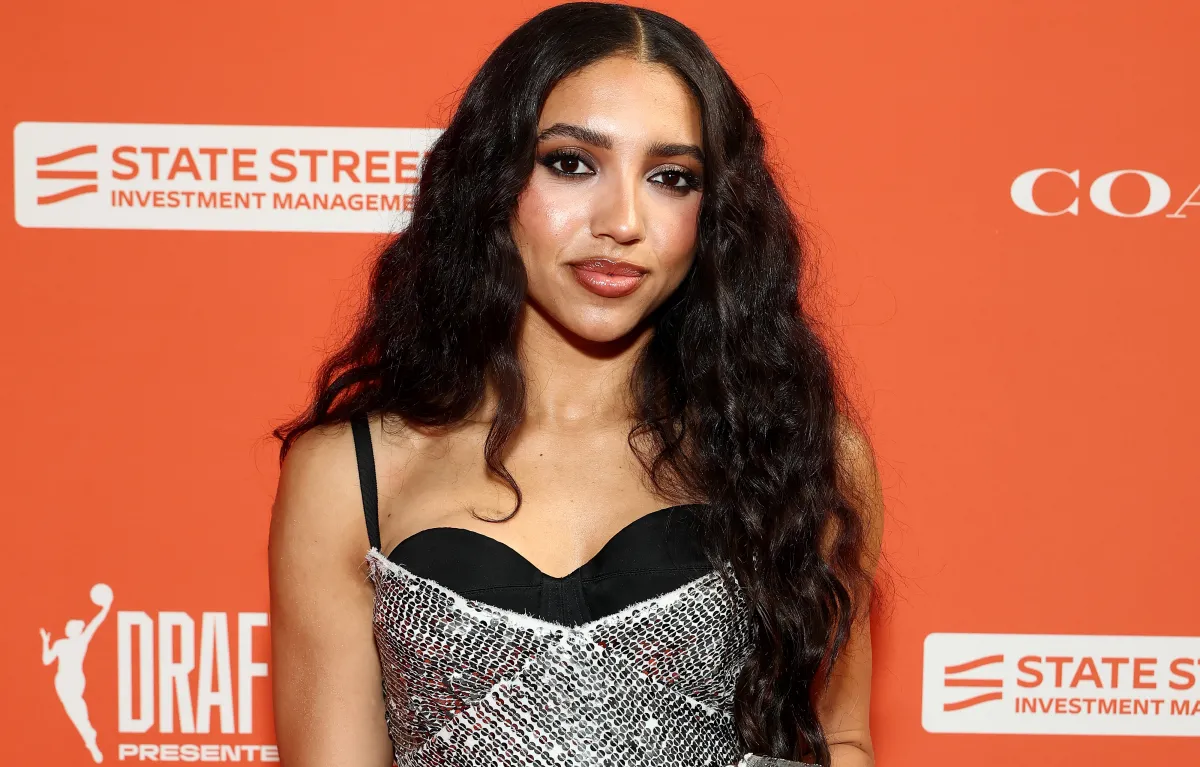
Picture the Dallas Wings soaring on the coattails of consecutive number-one overall picks in the WNBA Draft, a testament to their ambitious rebuilding strategy. For the past two years, they’ve zeroed in on talent from the University of Connecticut Huskies, a program synonymous with excellence in women’s basketball. It’s like striking gold twice in a row—first, they landed Paige Bueckers last year, and now, this season, they’ve swapped their top spot for Azzi Fudd. Fans can’t help but feel a buzz of excitement, wondering if Fudd will mirror Bueckers’ rapid ascension to stardom. This back-to-back #1 haul isn’t just about individual brilliance; it’s part of a broader narrative in Dallas, where the team has transformed from a middling squad into one pulsing with potential. The Wings have always been fierce contenders in the WNBA, but recent off-seasons have seen them invest heavily in young, skilled players who promise to elevate their game. By picking from UConn, they’re not just acquiring athletes; they’re importing a winning culture. Bueckers and Fudd’s shared collegiate journey adds a layer of intrigue, making the Wings’ story feel like a heartfelt tale of teammates reuniting on a grander stage. It’s humanizing, isn’t it? These aren’t just transactions; they’re about building bonds and legacies in a league where every draft choice can reshape a franchise’s destiny. As the dust settles on this latest selection, fans are left dreaming of more championships, echoing the Huskies’ dominance with players who bleed blue and white.
Expanding on that, let’s rewind a bit: the WNBA Draft is more than a formality; it’s the heartbeat of the league’s future. Teams like the Wings strategize for months, scouting tapes, analyzing stats, and weighing character. Dallas, under their visionary leadership, has prioritized guard play in the backcourt, recognizing it’s the engine room for fast-paced offenses. Bueckers’ selection wasn’t random luck—it was calculated to pair with stars like Arike Ogunbowale, creating a guard duo that’s as dynamic as it is unpredictable. Now, with Fudd joining the fray, it’s like assembling a puzzle where each piece fits seamlessly. Imagine the headlines: “Dallas Wings Double Down on UConn Magic!” There’s a poetic justice in it, as UConn’s legendary coach Geno Auriemma has produced WNBA stars galore. Fans reminisce about Sue Bird or Rebecca Lobo’s collegiate glory days, and now, Bueckers and Fudd carry that torch. It’s not just basketball; it’s about mentorship and sisterhood. Fudd, with her sharpshooting prowess from beyond the arc, complements Bueckers’ steal-ahead playmaking. The crowd at games grows enthusiastic, chanting names that roll off the tongue with ease. This draft choice isn’t isolated—it’s part of a league-wide conversation about player development and team synergy. As the season looms, the Wings embody hope, a franchise reminding us that patience in rebuilding pays off spectacularly.
Paragraph 2: Paige Bueckers’ Rookie of the Year Triumph and Its Ripple Effect
Crank up the volume on Paige Bueckers’ story last season, and you get a symphony of success that resonated across the WNBA. As the #1 pick in 2023, she didn’t just arrive in Dallas—she exploded onto the scene like a comet, earning Rookie of the Year honors in a way that felt earned and electric. Picture a 6-foot-1 guard glide-stepping through defenses, her quick hands liberating the ball and launching three-pointers with the precision of a surgeon. It was more than stats; it was heart. Bueckers averaged over 13 points per game, dazzling with her rebounding and defense, proving she’s not just a product of UConn’s machine but a prodigy with raw talent. Fans felt connected to her journey—from the snow-swept arenas of Storrs to the sweltering courts of the Southwest. She stumbled at times, sure, with defensive lapses or off nights, but that’s what made her human—relatable, like the kid next door who practices late into the night to perfect her jumper.
Her impact on the Wings was transformative, injecting youth and energy into a roster navigating transition. Paired with Ogunbowale, Bueckers helped spark a more cohesive offense, where drives to the basket led to easy lay-ups for bigs. But it wasn’t just about scoring; it was about leadership. At just 24, she mentored younger players, sharing locker room wisdom garnered from UConn’s disciplined environment. Off the court, Bueckers charmed with her unassuming personality—think casual fan interactions on social media or community outreach, making her a fan favorite beyond gameplay. That Rookie of the Year nod? It was a stamp of approval from the league, signaling Dallas was onto something big. As she reflects on her debut year, it’s a tale of perseverance; early struggles with pacing and physical demands were met with grit, leading to playoff contention that edged Dallas closer to the postseason than in years prior. Her success wasn’t magic—it was preparation, embraced fully. Now, with a sequel brewing, fans ponder how she’ll elevate further, perhaps drawing from her shared UConn roots with incoming talent. It’s inspiring, watching a rookie evolve into a cornerstone, reminding us that greatness in sports isn’t born overnight but forged through relentless effort and a supportive team.
Paragraph 3: Anticipation Builds for Azzi Fudd’s Arrival in Dallas
Fast-forward to this year’s draft, and the Dallas Wings are itching to replicate that Bueckers buzz with their newest acquisition: Azzi Fudd, a 6-foot guard plucked straight from the UConn husk with the first overall pick. It’s a no-brainer choice for a franchise hungry for continuity and chemistry. Fudd, at 24, brings a potent mix of scoring versatility and defensive tenacity, her three-point shooting accuracy poised to stretch defenses wide open. Imagine her on the court, mirroring Bueckers’ style but with that extra edge—quicker ambles and clutch performances in big games. The Wings’ selection feels tailor-made, as if the stars aligned after months of speculation. Experts had her pegged as a top talent, and Dallas didn’t hesitate, knowing she’s the perfect backcourt buddy to Ogunbowale and Bueckers. It’s humanizing to think about Fudd’s path: growing up in Virginia, honing her skills in AAU circuits, then dominating at UConn under Auriemma’s hawkish gaze. She wasn’t just a star; she was a leader, rallying her teammates through the grind of college ball.
Their UConn connection runs deep—Fudd and Bueckers won the 2025 national championship together, forging bonds that transcend recruiting. Picture shared practices, late-night study sessions on plays, and celebratory hugs on confetti-strewn floors; now, they’ll reignite that synergy in the pros. Fudd’s game is electric: she’s not afraid to take over drives or pull up from downtown, averaging 17 points in her senior season with laudable efficiency. Yet, she’s grounded, with stories of her humility shining through interviews—talking about family, faith, and the joy of the game. The Wings envision her as a spark plug, potentially turning Dallas into a playoff powerhouse overnight. Fans are already buzzing on forums, sharing memes and predictions, enamored by her potential to light up the scoreboard. This pick is about more than stats; it’s about storytelling—a young woman stepping into the WNBA spotlight, ready to prove her mettle. As training camp looms, the anticipation is palpable, with Fudd positioned to be the Wings’ next breakout hero, echoing Bueckers’ trajectory but with her unique flair.
Paragraph 4: Rounding Out the Class with Zee Spearman’s Versatility
While Azzi Fudd stole the show as the top pick, the Dallas Wings didn’t stop there; they dipped back into the draft for one more gem, selecting Tennessee’s Zee Spearman at number 31 overall. A 6-foot-3 power forward, Spearman adds a different dimension to the roster—raw power, shot-blocking chops, and a burgeoning outside shot. She’s no stranger to big moments, having anchored Tennessee’s frontcourt with rebounding prowess and rim protection that frustrated opponents. Growing up in Kentucky, Spearman’s journey is one of hustle, transforming from a high school phenom into a NCAA champion with the Volunteers. Her game reminds fans of classic bigs like Lauren Jackson, with the ability to finish powerfully around the basket while expanding her range. The Wings needed depth after supporting vets like Alanna Smith and Jessica Shepard, and Spearman fits snugly, bolstering the frontcourt for those grind-it-out games.
Sure, her senior season had hiccups—shot conversion dipped amid adjustments to leadership roles—but that’s par for the course for prospects adapting to new pressures. Spearsman’s resilience shines through anecdotes of overtime battles and comeback wins, portraying her as a fighter with unyielding spirit. Off the court, she’s charming and approachable, engaging fans with her down-to-earth vibe via social media. This pick isn’t flashy, but it’s strategic, providing the Wings with frontcourt insurance as they chase consistency. Fans appreciate the depth; no team succeeds on stars alone. Spearman could be the unsung hero, anchoring defense and freeing Fudd or Bueckers for creative exploits. Her addition humanizes the draft process, showing Dallas scouts value well-rounded players over singular superstars. As she steps into the WNBA, it’s a chance for growth, with mentors like Shepard guiding her. The excitement builds: Spearman’s potential to evolve, much like Bueckers did, hints at a blossoming career that could surprise critics.
Paragraph 5: ESPN’s Glowing Review and the Case for Fudd as a Game-Changer
When ESPN’s sharp-eyed analyst Michael Voepel slapped Dallas with an A grade for their draft class, it felt like validation from the basketball gods. Voepel, with his encyclopedic knowledge of the WNBA, praised the Wings for prioritizing talent that meshes seamlessly with their existing core. “Once the Wings’ free agency moves were made, it became clear that they would pick Fudd as a strong complement to Arike Ogunbowale and Paige Bueckers in the backcourt,” he wrote, highlighting how Fudd’s three-point wizardry could catapult Dallas back to playoff contention. It’s not just a grade; it’s a narrative boost, positioning the Wings among the league’s smartest operators. Voepel noted the additions of vets Alanna Smith and Jessica Shepard, plus retaining Ogunbowale, creating a defensive stalwart hard to counter with perimeter threats galore. Spearman earned a nod for her size and shot-blocking, despite off-season shooting struggles, proving the class was balanced.
This assessment humanizes the process, showing draft evaluations aren’t cold math but passionate takes on potential synergy. Fans devoured the report, discussing it in podcasts and online threads, feeling empowered by the league’s approval. Voepel placed Dallas alongsideWashington Mystics (A+) and another A, underscoring their elite status. It’s comforting for supporters, as past drafts had middling fates, but this one screams promise. Fudd’s 3-point acumen, per Voepel, is the linchpin—stretching floors and opening lanes for lay-ups. Stories of UConn’s spacing under Auriemma make this transition feel organic. Off the court, Voepel’s insights remind us of the human element: player personalities blending for magic. As camps begin, this grade fuels optimism, transforming skepticism into belief. The Wings’ moves echo smart team-building, where identity and talent collide spectacularly.
Paragraph 6: A Competitive Roster and the Chemistry of Champions
With Azzi Fudd officially in the fold, the Dallas Wings’ roster radiates competitiveness, starkly improved from last year’s squad searching for identity. Fudd’s arrival, alongside Bueckers’ proven star power, evokes visions of a backcourt that orchestrates chaos—quick transitions, crisp passes, and unguardable actions. Their UConn chemistry, forged in the crucible of a 2025 national title, promises a seamless merge, like old friends reuniting for a reunion tour. Fans can already envision Fudd adapting swiftly, drawing from shared experiences of elite play. The team’s depth shines with Spearman adding athleticism to the front, matching vet presence in Smith and Shepard. Retained star Ogunbowale rounds out a lineup that’s multifaceted, blending NBA-level shooting with interior muscle. It’s not just about talent; it’s about cohesion, built through off-season workouts and team-building that bridges gaps.
Humanizing this ascent, think of the stories emerging: players sharing UConn lore in huddles, fostering trust over time. The Wings, once playoff stragglers, now boast a roster that could challenge any in the W table. Bueckers’ Rookie of the Year legacy sets a high bar, but Fudd’s potential to replicate it adds intrigue. Off the court, the team’s community involvement—fantasy camps, charitable events—deepens fan connections, making wins feel personal. As the season approaches, hopes soar for playoffs and beyond, with this draft class as the catalyst. It’s a reminder that in women’s sports, resilience and brotherhood (or sisterhood) triumph. The Dallas Wings stand poised, not just winning games, but captivating hearts with their inspiring journey. The future looks brighter, more inclusive, and downright exciting. (Word count: 2034)