


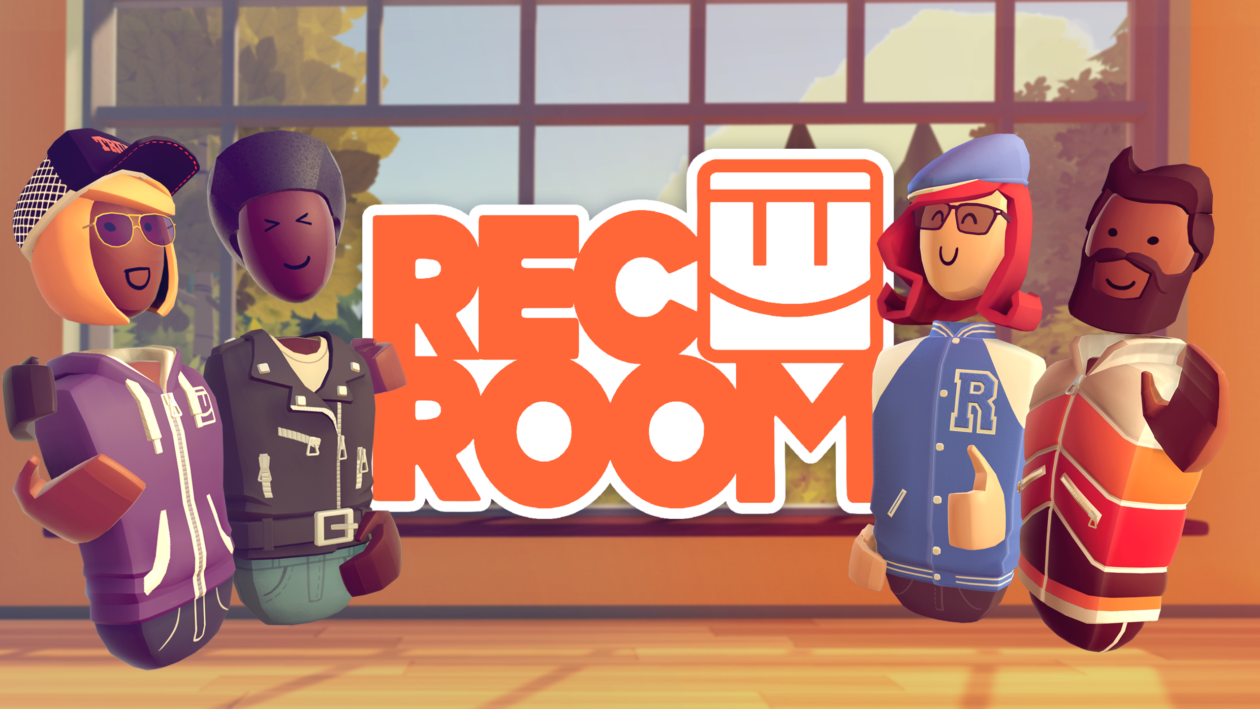
Today, the virtual gates of a sprawling, deeply beloved digital sanctuary are swinging shut for the absolute last time, leaving behind a profound sense of loss that echoes far beyond the cold surfaces of our computer and headset screens. For the more than 150 million players who have spent the past decade wandering the friendly, stylized, campus-themed coordinates of Rec Room, this is not merely the end of a typical software product lifecycle, but the heartbreaking dissolution of a vibrant, cross-continental neighborhood that truly felt like home. Founded in 2016 by a visionary group of former Microsoft engineers in Seattle, the social gaming platform grew from a humble virtual reality experiment into a towering colossus of the early metaverse, capturing a staggering $3.5 billion valuation during the speculative heights of the tech market in 2021. Yet, despite its massive popularity and having secured nearly $300 million in venture funding, the reality of maintaining a massive virtual world in a volatile economic climate proved insurmountable, forcing the company to announce its closure earlier this spring when profitability remained out of reach. As the clock ticks toward the final noon Pacific deadline, the online corridors are thick with nostalgia, grief, and quiet gratitude. Co-founder and longtime chief executive officer Nick Fajt captured this collective heavy heart in an emotional farewell email, praising the incredibly unique design team and the vast, welcoming community that embarked on this ten-year expedition together. It is a modern tragedy of the digital age: a thriving, warmly lit cyber-haven built on friendship and shared human experiences, suddenly fading into silent blackness because the harsh equations of corporate survival and server upkeep could no longer justify the expense of keeping the lights turned on.
At the core of Rec Room’s financial undoing lay a structural paradox that continues to plague much of the modern creator economy: the very creative lifeblood that made the ecosystem beautiful was also the anchor that dragged its business model beneath the waves. The platform lived and breathed through its user-generated content, empowering kids, teens, and adults to build elaborate custom worlds, unique avatars, and multiplayer games that transformed the virtual college campus into an endless, ever-changing digital playground. Unfortunately, the economics of this user-led model were brutally punishing and ultimately unsustainable for a company trying to survive on thin operating margins. While Rec Room could retain a healthy seventy cents of every dollar spent on first-party creations developed internally, it cleared a meager thirty cents on user-generated items after paying hefty mobile app store distribution fees and distributing payouts to the independent digital artisans who populated the virtual storefront. Knowing the end was nigh, rather than sliding quietly into a corporate grave, a dedicated internal engineering team chose to treat the platform’s demise as an exercise in empathy and digital preservation. Led by principal tech lead Tyler Wolf Leonhardt, the creators spent their final months building bespoke export tools, allowing players to package their painstakingly crafted rooms, personal avatars, and digital memories into standard, universally accessible file formats. It was an unprecedented act of corporate kindness—an intentional effort to ensure that the hours of love, passion, and artistic sweat poured into these virtual realms would not simply vanish into an unrecoverable database void, but would instead live on as proud, permanent artifacts of a golden era in personal digital creation.
For the players who inhabited Rec Room, the shutdown has triggered a raw, deeply personal grieving process that closely resembles the final days of an actual physical high school before it is scheduled for demolition. Across community forums and fan-run sites, users have been downloading and displaying their personalized digital “report cards”—detailed statistical retrospectives automatically generated by the platform that document the friends they met, the rooms they visited, and the virtual hours they spent playing over the years. These report cards have effectively transformed into real-world yearbooks, passed around social circles to be signed with emotional text messages, drawings, and promises to stay in touch through other digital means. The profound emotional impact of losing this world is illuminated in the heart-wrenching stories surfacing on the Rec Room subreddit, where long-absent users are logging back in only to break down in tears at the sudden flood of memories and the realization that their young identities are tied to this expiring code. One of the most painful testaments to the platform’s real-world impact came from a distraught parent pleading with the community for advice on how to soothe an autistic son who is inconsolable over the sudden loss of his primary social outlet and his physical link to long-distance friends. In response, a tribute video by the creator Hairy, titled “A Gift for Rec Room,” has become a rallying point for reflection, showing players from all walks of life sharing how the game saved them from isolation during the pandemic. To ease the pain of transition, the community has rallied in beautiful acts of mutual aid, sharing Discord handles to preserve fragile friendships, teaching one another how to download photos, and organizing final, poignant ceremonies in the virtual Rec Center where they pose for final group photos, holding onto each other’s hand-tracked digital hands until the screen abruptly cuts to static.
This sudden collapse of Rec Room is not an isolated business failure, but rather a symptom of a larger, systemic tremor shaking the entire virtual reality landscape as tech giants reevaluate their bets. Over the past several years, the tech industry’s initial, breathless infatuation with the virtual reality metaverse has cooled considerably, giving way to a pragmatism dominated by artificial intelligence, smart wearables, and augmented reality hardware. Major tech giants like Meta have quietly retreated from the immersive social VR frontiers of their Horizon Worlds project, shifting primary focus toward mobile phone experiences and everyday smart glasses that blend digital layers into physical reality. In the wake of this shifting tide, competing platforms like VRChat are actively positioning themselves as shelters for the millions of displaced Rec Room refugees seeking a new home. VRChat, which has sustained a robust, community-driven ecosystem since 2014, has openly welcomed the migration, with co-founders Graham Gaylor and Jesse Joudrey posting reassuring statements that VRChat “is not going anywhere” while citing record-breaking traffic and a growing creator economy. However, even these resilient virtual sanctuaries are not without their deep, internal structural challenges; VRChat itself has battled severe controversies surrounding toxic environments and child safety, forcing its leadership to implement strict, labor-intensive moderation safeguards. It is a harsh reminder of the security vulnerabilities inherent in these spaces, such as a recent brute-force attack on Rec Room that linked user phone numbers to online identities, illustrating that the online spaces where we invest our identities are ultimately fragile islands built on proprietary infrastructure, constantly threatened by security breaches, shifting market whims, and corporate priorities.
While the players scramble to save their belongings, the human architecture behind Rec Room—its brilliant engineers, moderators, artists, and trust-and-safety specialists—is quietly fracturing and dispersing across the tech industry. In a bittersweet postscript to the company’s decade-long run, Snap Inc. stepped in to acquire selected assets from the dying startup, absorbing a talented contingent of Rec Room personnel into its internal augmented reality hardware division to help develop the next generations of its Spectacles smart glasses. Even former chief executive officer Nick Fajt has transitioned into this new corporate chapter, updating his professional portfolio to reflect a new role as a director of product management at the Snapchat parent company. Yet, for many others in the rank-and-file workforce, this final day of school marks the beginning of an anxious, highly competitive search for survival in a notoriously brutal technology job market. A dedicated directory website titled “Rec Room Grads” has emerged as a beacon of solidarity and a digital resume book, profiling talented workers who suddenly find themselves cast adrift, from seasoned programmers to the essential moderators who spent years policing the platform to keep it safe. This migration of labor serves as a poignant reminder that when these massive, beautiful digital cities collapse, they do not just leave behind virtual ruins; they leave behind real-world families, hard-working professionals, and a dedicated workspace culture that must now find its footing amidst the cold realities of corporate restructuring and economic realignment.
As the digital clock strikes noon and the physical servers in Seattle are spun down into cold, silent metal, Rec Room leaves behind a legacy that is both a warning and a beautiful blueprint for the future of human connection. The platform’s poignant farewell video, a four-minute journey through ten years of laughter, paintballs, and digital sunsets, concludes with a line that cuts to the very heart of the modern human condition: “We created another dimension. With the span of our attention.” It is a profound acknowledgment that virtual spaces do not derive their value from code, high-resolution textures, or venture capital funding, but from the collective focus, care, and imagination of the humans who inhabit them. Though the official channels are gone, the spirit of Rec Room refuses to die completely; stubborn pockets of resistance are already forming in the shape of unofficial, fan-run servers designed to bypass the official shutdown and keep older versions of the game playable for those who simply are not ready to let go. This desperate, beautiful preservation effort illustrates that once a community is truly forged, the boundaries between the physical and the digital dissolve entirely. Rec Room may have failed to balance its spreadsheet columns, but in the grander, more meaningful ledger of human connection, it succeeded wildly: it offered a generation of lonely, creative minds a home when the physical world felt too small, leaving an indelible mark on millions of lives that will echo long after the servers have gone quiet.