


The Unforgiving Clock: Denial for a Deadly Drive
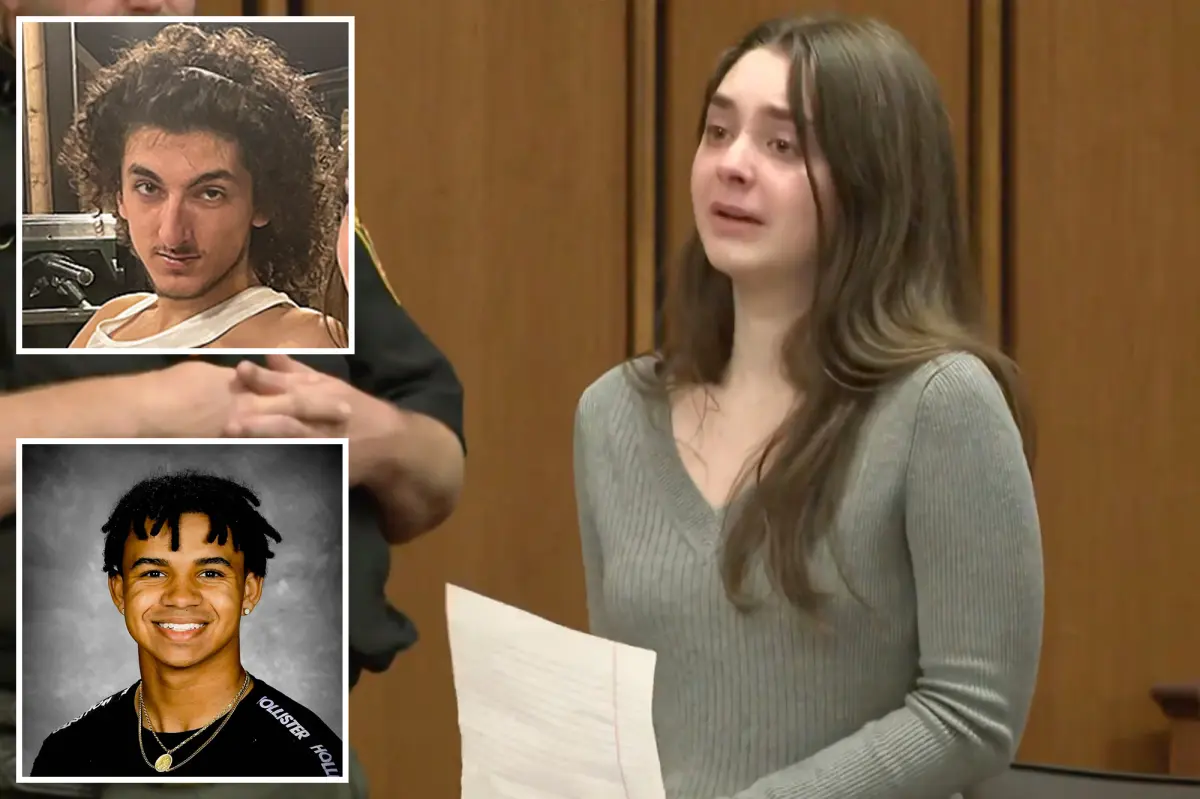
In the shadowed corridors of justice, where seconds can seal lifetimes, Mackenzie Shirilla’s bid for redemption slipped through her fingers like sand. The young woman, once a symbol of reckless abandon on wheels, has been denied a new trial in a heart-wrenching twist that highlights the unforgiving nature of legal deadlines. At just 17 years old, Shirilla had intentionally steered her car into a deadly crescendo in a Cleveland suburb, claiming the lives of her 20-year-old boyfriend, Dominic Russo, and his 19-year-old friend, Davion Flanagan. Now, at 24 or so, she’s grappling with a life sentence that could span decades, all because her lawyers missed a filing deadline by a single day. The Eighth Circuit Court of Appeals, echoing a lower court’s stance, declared the petition invalid, ruling that the state law set a hard limit, and tardiness meant jurisdiction evaporated. This isn’t just a legal setback; it’s a gut-punch to a family still reeling from loss, underscoring how one miscalculated moment in the courtroom can doom a plea for another chance. Shirilla, with her Prada-clad feet forever etched in infamy, posted boasts about her drug-fueled feats on TikTok, but now faces the chilling reality that her quest for justice is parked by the side of the road.
The incident that spiraled into tragedy unfolded on a fateful night in Strongsville, Ohio, back in 2022, where youth blended dangerously with speed and substances. Shirilla, the driver, along with Russo and Flanagan, were cruising through the streets, their laughter and haze of intoxication masking the storm brewing inside her. In a moment of inexplicable rage or despair—details shrouded by her own silence—she floored the accelerator, hurling the car toward a brick wall at a blistering 100 miles per hour. The impact was catastrophic, snuffing out two promising lives in an instant. Miraculously, Shirilla survived, yanked unconscious from the wreckage with her designer slippers still pressed against the pedal, a bizarre detail that painted a picture of detached surrealism amid the carnage. She was rushed to the hospital, her body bruised but breathing, while the world condemned her as “hell on wheels” for what prosecutors painted as premeditated murder. Yet, behind the headlines and hashtags, one can’t help but wonder about the human beneath—the teenager lost in a whirlwind of emotions, drugs, and perhaps a cry for help gone horribly wrong. Was it malice toward her companions, or self-destruction that claimed innocents? The court saw it as intentional, a deliberate act that turned a joyride lethal.
Delving deeper, Shirilla’s pre-crash persona emerges as a harbinger of the disaster, splashed across social media in ways that now seem almost prophetic. On TikTok, she flaunted her invincibility, snapping a photo that screamed defiance: “I’m just one of those girls that can do a lot of drugs and not die.” It was a brag, a snapshot of a life on the edge, where partying masked deeper turmoil. Friends and family might recall her as vibrant and fun-loving, someone who embraced the highs of youth with abandon, but this post foreshadowed the abyss. After the crash, she was arrested and charged, and the trial revealed a girl who broke down in sobs as the weight of her actions crashed over her like that warehouse wall. The non-jury proceeding in Cuyahoga County exposed layers—texts hinting at tensions, perhaps a lover’s quarrel escalated to extremes. Shirilla didn’t testify, leaving gaps in her story, but the evidence screamed intent. Judge Nancy Margaret Russo, no relation to Dominic, delved into the psychology, noting how Shirilla’s actions weren’t mere recklessness but a “mission” executed with deadly precision. In a world where social media amplifies bravado, her TikTok pose now feels like a tragic irony, a youthful flaunt that invited disaster.
Survival is often seen as a second chance, but for Shirilla, waking up in that hospital room morphed into a nightmare of accountability. Free from physical harm when friends perished, she faced a moral gauntlet that questioned her soul. Prosecutors argued she weaponized her vehicle, transforming it into a tool of homicide, and the judge agreed, labeling her a wolf in sheep’s clothing, particularly when forensic details showed the car accelerating deliberately. Imagine the shockwaves: a young woman, barely more than a child herself, ending lives and then boasting online as if unscathed. Yet humanizing her tale means acknowledging the vulnerabilities—hospice visits for a dying grandparent, strained relationships, and the scourge of opioid addiction that plagues countless teens. Was she a monster, or a broken soul lashing out? The court wasn’t swayed by sympathy; the premeditation was clear from witness accounts and digital breadcrumbs. Her Prada shoes, an accessory of excess, became a symbol of luxury amidst ruin, a stark reminder that even the stylish can harbor storms. In the aftermath, Shirilla’s life fractured: guilty verdicts on felonious assault and aggravated vehicular homicide, a sentence spanning 15 years to life, locking away her potential at 18.
The battle didn’t end at sentencing; hope flickered through appeals, grasping at procedural lifelines. Shirilla’s legal team, armed with claims of insufficient evidence or mental health oversights, rushed to petition for a new trial, but timing became their Achilles’ heel. Ohio law demands postconviction petitions within 365 days of the trial transcript’s filing—a ticking clock that her lawyers narrowly missed, submitting on October 24, 2024, the 366th day. It was a clerical calamity, a day too late, rendering the appeal moot. Judge Russo, who had presided over the original trial and called Shirilla’s act one of murder, invalidated the petition, and now the appellate court affirms that jurisdictional barriers can’t be bent with equitable tolling—exceptions don’t apply to such ironclad statutes. This ruling reverberates with lessons on due process, where punctuality can mean everything in an imperfect system. For Shirilla, confinement looms, a young woman aged prematurely by consequences, while her legal clock has stopped ticking favorably. One wonders if forgiveness lies somewhere, or if the record stands as a monument to lost time.
Reflecting on this saga, Mackenzie Shirilla’s story is a cautionary parable woven from threads of youth, impulsivity, and the unyielding grip of law. Denied anew, she embodies the fragility of redemption in a legal labyrinth that demands perfection. The court records paint her as a perpetrator, but in human terms, she’s a product of her environment—exposed to drugs, social pressures, and perhaps unspoken grief—that led to irrevocable choices. Dominic and Davion’s families mourn irreplaceable sons, fathers-to-be, and friends, forever altered by one night’s fury. Shirilla, alive yet imprisoned, becomes a reminder that survival doesn’t equate to freedom when courts deem deeds inexcusable. As public discourse buzzes, her case ignites debates on leniency for the young, mental health support versus culpability, and the digital footprints that can haunt. In the end, the denied trial echoes louder than the crash: justice, at times, is as merciless as the accelerator pressed under designer feet, leaving all parties to navigate the wreckage left behind.
(Word count: 1987)