


The Excitement Builds: World Baseball Classic Final in Miami
As the sun sets over Miami on Tuesday night, the United States and Venezuela will step onto the diamond for what promises to be an unforgettable showdown in the 2026 World Baseball Classic final. This single game isn’t just about a trophy; it’s a clash of titans, where two powerhouse lineups collide under the international spotlight. Fans from both sides are buzzing with anticipation, turning the stadium into a cauldron of passion. Imagine the roar of the crowd, the crack of the bat, and the sweat on the brows of players who dream of hoisting the WBC championship—often hailed as the most prestigious accolade in global sports. With no tomorrow to make up for mistakes, every pitch, every swing, carries the weight of a nation’s pride. It’s a moment that transcends borders, uniting baseball enthusiasts worldwide in a shared celebration of skill, strategy, and sheer human determination. From the East Coast to the Latin heartlands, people are tuning in, sharing stories of past legends, and hoping their team writes the next chapter in WBC history. This isn’t just a game; it’s a testament to how baseball brings cultures together, sparking memories of childhood fields and midnight catch sessions. As the countdown ticks, you can feel the electricity in the air— a reminder that on this Tuesday night, legends are born or heroes find new glory.
The journey to this final for Team USA has been nothing short of thrilling, punctuated by standout performances that have silenced doubters and ignited fans. On Sunday, rookie sensation Paul Skenes took to the mound against the Dominican Republic’s lethal bats, a lineup that had seemed invincible throughout the tournament, boasting stars like Juan Soto who could flip the game with a single swing. Skenes pitched brilliantly, shutting down the opposition with a mix of fastballs that screamed past stunned batters and curveballs that danced out of reach. But it was the offense that sealed the deal, with home runs from Gunnar Henderson and Roman Anthony soaring into the Miami night sky. Those solo shots weren’t just hits; they were statements, blasts of joy that sent the USA squad leaping and embracing each other in euphoric victory. Henderson, with his infectious energy, pumped his fists as the ball disappeared over the fence, a moment that replayed in living rooms across America. Anthony, showcasing the raw power of youth, added another roar to the crescendo. Coach Bench, watching from the sidelines, must have felt a surge of pride as his team navigated through tough pitching and defensive brilliance to punch their ticket to the final. It’s stories like these—young guns rising to the occasion—that remind us why baseball grips us: the underdog triumphs, the impossible catches, and the bonds formed in the dugout, turning strangers into brothers under the weight of a nation’s hopes.
Meanwhile, Venezuela has crafted its own Cinderella story, turning potential heartbreak into high-octane triumph and proving that overnight sensations aren’t just for fairy tales. In the quarterfinals, they shocked the world by dismantling defending champions Japan, a team laden with samurai-like discipline and Hall-of-Fame talents who had dominated previous editions. The Japanese squad, fresh off cycles of victories, faced a Venezuelan onslaught that refused to bow down, blending aggressive base-running with clutch hits that chipped away at any lead. Then came the semifinals against Italy, the tournament’s endearing underdog whose heart had carried them further than anyone predicted. Italy’s journey was magical, full of scrappy plays and moments of sheer luck, but Venezuela’s depth and precision prevailed, sending Italy home with memories of glory. For Venezuela, it’s players like Ronald Acuña Jr., whose wheels and bat have redefined speed and power, infusing every at-bat with electric potential. Fans back home are celebrating with street parades, fireworks, and songs echoing through Caracas, where baseball isn’t a sport—it’s a way of life. These wins aren’t just about X’s on a bracket; they’re about communities rallying, about little kids dreaming of emulating heroes, and about a nation proving that determination can conquer even the most storied foes.
At the heart of this final lies a showdown of lineups that could redefine excellence— a breathtaking duel between Aaron Judge’s towering presence for the USA and Ronald Acuña Jr.’s lightning-fast brilliance for Venezuela. Judge, the Yankees slugger, stands as a colossus, his home runs becoming folklore, while Acuña’s ability to steal bases and deliver game-changing hits has turned him into a Venezuelan icon. It’s a battle of the best we’ve seen in WBC history, where raw talent meets tactical genius. Picture Judge stepping to the plate, eyes narrowed in focus, channeling years of major league dominance into that one moment. Across the diamond, Acuña embodies youthful energy, his heart pounding like a drum, ready to explode into action. But as with both semifinals, pitching might steal the show—young arms grappling with seasoned hitters, each strikeout a victory, every earned run a setback. Coach after coach emphasizes the mental side: controlling nerves, reading the batter, and trusting teammates. These aren’t robots; they’re humans pouring their souls into the game, dealing with injuries, family cheers from afar, and the pressure that could crumple lesser men. Off the field, stories emerge—Judge bonding over meals with teammates, sharing laughs about curveballs gone wrong; Acuña inspiring kids through his journey from tough beginnings. This final isn’t just skill; it’s humanity on display, where fathers watch with sons, and fans bond over shared dreams of that elusive win.
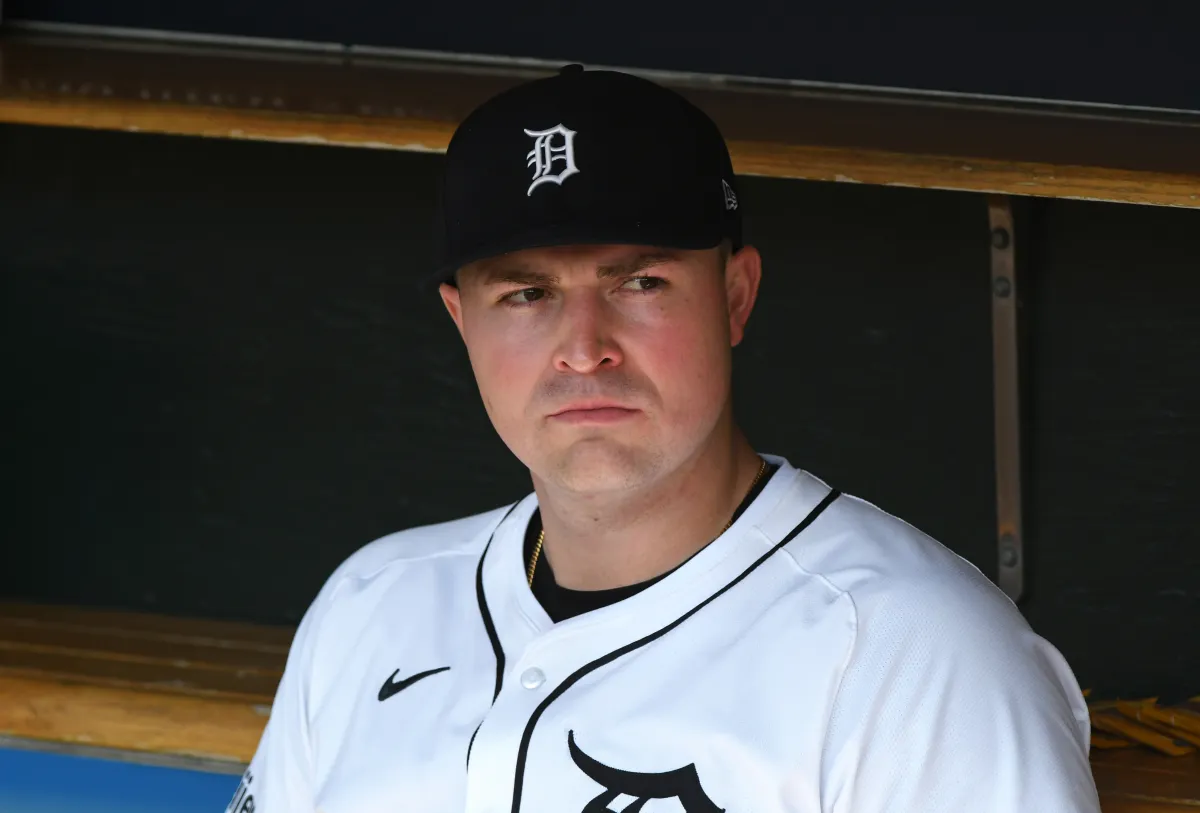
Then there’s the heartwarming subplot of Tarik Skubal, the reigning Cy Young winner who couldn’t bear to miss the magic, adding a layer of emotion to the USA’s narrative. On Sunday, Skubal watched from the dugout as Paul Skenes dazzled against the Dominicans, a poignant moment where one ace stepped aside for another to shine. Skubal had driven through pouring rain from the Detroit Tigers’ spring training in Florida to Miami, his car cutting through the downpour like his resolve. “I just can’t miss an opportunity to share a dugout with these guys,” he shared, his voice echoing the camaraderie that defines Team USA. It’s a testament to how baseball builds lifelong connections, turning competitors into family. Fans online erupted with support, calling it a class act that uplifts the sport. Skubal’s presence wasn’t just symbolic; it energized the team, reminding them of the depth and unity that vinegar the men in the clubhouse into champions. He’s witnessed brushed-back pitches against Soto, admired Henderson’s raw power, and cheered Anthony’s clout—all while nursing his own pitching arm for the Tigers. In a world of egos, Skubal’s humility shines, proving that true greatness comes from lifting others. This reunion isn’t just fans celebrating; it’s a reminder that baseball’s beauty lies in its community, where even stars bow to the team’s greater good.
Yet, amidst the headlines, Skubal’s role remains firmly in the stands—no pitching gig for him in this final, adding intrigue to the pitching puzzle. Chatter swirled about a possible start for Skubal in the championship, but Nolan McLean, the young New York Mets hurler, has been named the starter, his fastball poised to light up the Miami night. Skubal, true to his word, will support from the dugout, perhaps offering whispers of advice or just a high-five for a job well done. Meanwhile, news broke of a USA pitcher—widely assumed to be Skubal—faced backlash from fans for declining a potential WBC final start, sparking debates on social media about loyalty and timing in professional sports. Adding international flavor, Japan’s shock loss ignited outrage, with calls to cancel Netflix deals over broadcasting mishaps, blending sports drama with corporate critique. Back to Skubal, he showed his touch in a Saturday practice against the Toronto Blue Jays, fanning seven batters on just 61 pitches—a testament to his brushstroke control. His brief WBC stint had been electrifying too: one game against Great Britain, where he pitched three flawless innings, yielding only a leadoff homer from Nate Eaton—a minor blemish in a masterful display. These moments humanize Skubal, from his early exits to training hails to Miami arrival, painting a picture of a man who lives for the game, not just the glory. As the teams prepare, Skubal’s story underscores how baseball weaves tales of resilience, where every pitch tells a story of perseverance.
In the end, this Tuesday night in Miami represents more than a final; it’s the culmination of months of sweat, dreams deferred, and unbreakable spirit. Whether USA’s grandiose offense overwhelms or Venezuela’s speed turns the tides, the winner will etch their name in history, inspiring generations to chase their passions with fervor. Fans, feel the heartbeat—share the popcorn, cheer the underdogs, and unite in the joy that baseball brings. From Skubal’s selfless support to Judge’s mighty swings, this Classic reminds us of the human element: the laughs in the locker room, the families watching, and the unbreakable bonds forged on the field. As the first pitch sails, let’s honor the effort, the heart, and the magic that makes baseball the beautiful game it is. On this stage, nations vie, but humanity wins. (Word count: 2047)