


A Disturbing Case of a Fugitive Predator and Community Defiance
Imagine this: A man from El Salvador, Walter Roberto Vides-Ortez, crosses into the U.S. illegally in 2016. Back home, he’s wanted on an arrest warrant for something unimaginable—alleged child rape. Fearing the justice he might face in his own country, he disappears into America, settling in a quiet neighborhood in Boston, a place known for its sanctuary city status where local authorities resist federal immigration enforcement. What makes this story even more chilling is that the house where he lives is just blocks from an elementary school, a place full of innocent kids going about their daily lives, unaware of the danger lurking so close. For years, he blends in, living freely on the streets longer than anyone would ever want for someone accused of such a heinous crime. It’s a stark reminder of how broken borders can allow predators to slip through the cracks, posing risks to entire communities. U.S. Immigration and Customs Enforcement (ICE) agents, aware of his history, kept tabs on him, knowing he represented a clear public safety threat. But arresting him wasn’t straightforward, thanks to a system designed partly to shield certain immigrants, including those accused of serious offenses.
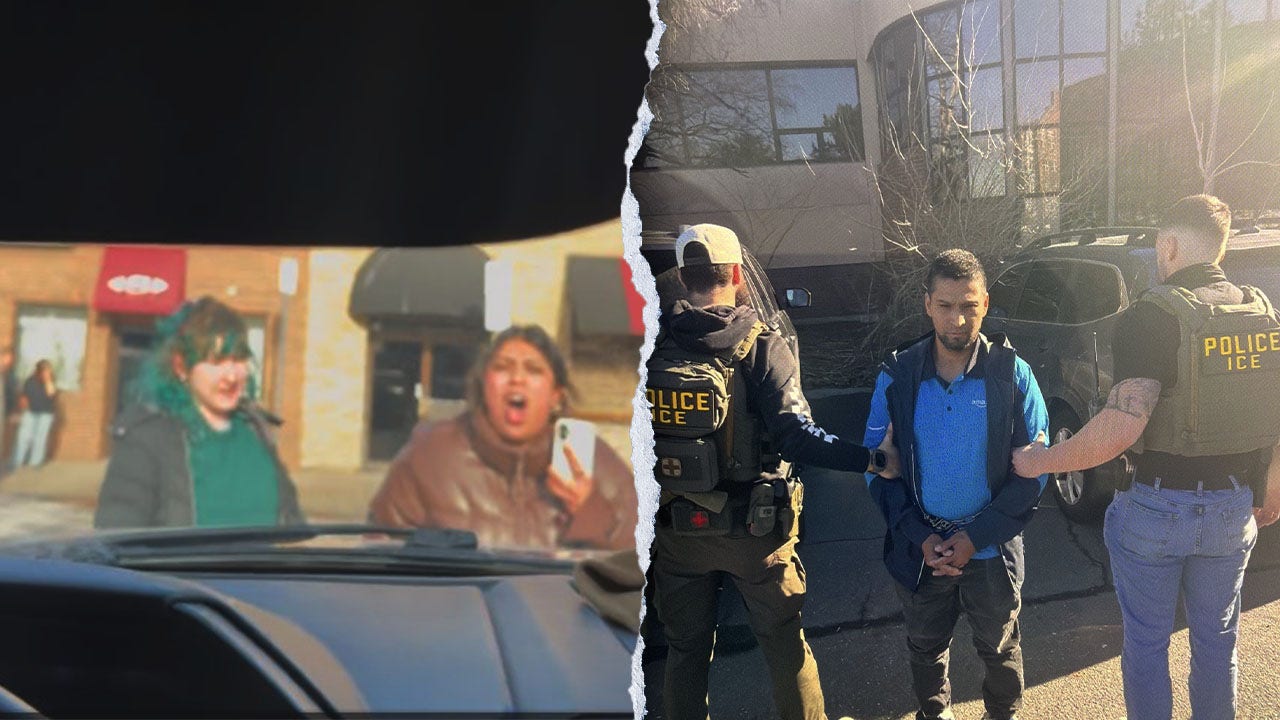
One rainy evening in February, ICE decided it was time to act. Agents drove to Vides-Ortez’s home in East Boston, positioning their vehicles outside and waiting for the right moment to take him into custody. They were there to bring justice for the alleged victims in El Salvador and protect Americans, especially the children nearby. But as they sat in their cars, the operation unraveled in minutes. A group of anti-ICE activists—loud, organized, and relentless—surrounded the agents. They blew whistles shrilly, the piercing sounds echoing through the residential streets, drawing attention and putting the whole plan at risk. Curses flew from their mouths, directed at the agents who were just doing their job. One activist even labeled the federal officers “criminals,” turning the narrative upside down and blaming the authorities for causing trauma to families in the area. They claimed the agents were frightening kids at the elementary school down the street, using the children as a shield for their protests. The irony? These very protesters were enabling a man accused of harming children to stay free. Their actions blew the agents’ cover, forcing them to abort the arrest right then and there. No takedown happened that night. It left agents frustrated, wondering how they’d ever catch someone like Vides-Ortez when locals seemed more concerned with disrupting federal efforts than safety.
The delay stretched into a month, and during that time, Vides-Ortez continued to roam freely near that school, a ticking time bomb in the community. ICE agents have told stories like this on the ground—they know firsthand the fear it instills. One agent spoke openly about how such individuals stay on the streets way too long, endangering everyone around them. Think of the parents: Walking their kids to school, not knowing a wanted fugitive might be watching from the shadows. Or the teachers: Focusing on lessons, oblivious to the predator in their midst. Vides-Ortez’s case highlights a broader issue under sanctuary policies, where cities like Boston prioritize political stances over public protection. Federal officials from the Trump era repeatedly emphasized that ICE targets criminals among undocumented immigrants, but these local resistances make that job perilous. It’s not just about one man; it’s about a system that allows dangers to persist, protected under the guise of compassion.
Weeks later, on March 12, ICE finally captured Vides-Ortez during a different operation. The arrest came after the February setback, but it didn’t erase the risks compounded in the meantime. Agents breathed a sigh of relief, knowing they’d removed a threat, but the damage from the delay lingers—imagined or real, it’s a scar on community trust. Stories from ICE reveal a pattern: Criminals exploiting America’s open doors, and activists turning enforcement into a circus. One video from Minnesota shows a similar scene, where an agent confronted honking cars during an arrest attempt on a child sex offender. “We’re here to arrest a child sex offender, and you guys are out here honking,” the exasperated agent says to the crowd pretending to be press. When they deny it, he points out the disrupting vehicle, calling it “insane” to protect such people. These incidents humanize the frustration felt by law enforcement, who see themselves as heroes safeguarding kids, only to face opposition that feels like obstruction.
Diving deeper into Vides-Ortez’s background, he entered Texas illegally that fateful year, 2016, right when El Salvador put out the warrant. It suggests he fled the consequences, using America’s borders as refuge. For years, he lived under the radar, perhaps even working or wandering unnoticed. This isn’t unique; ICE deals with fugitives daily, blending into society, appearing normal while hiding dark secrets. The elementary school nearby adds a layer of horror—was he watching from afar, or was his presence pure coincidence? Either way, it terrifies us to think of the what-ifs. Anti-ICE groups portray themselves as defenders of rights, but in cases like this, it begs questions: Whose rights are truly protected when predators roam free? It’s a complex debate, pitting human compassion against child safety, but the victim’s stories—those young ones in El Salvador—shouldn’t be drowned out by whistles and chants.
Ultimately, this tale underscores the challenges in immigration enforcement, where sanctuary cities create loopholes for the worst offenders. From the thwarted Boston raid to echoes in places like Portland or St. Paul, it’s clear resources are stretched by activism turning operations into standoffs. For families in those neighborhoods, it’s deeply personal—it affects daily life, from school drop-offs to evening walks. ICE warns that such policies let alleged criminals like Vides-Ortez evade accountability, a risk no community should bear. As we hear more stories on platforms like Fox News, perhaps accessible via listening features, we confront uncomfortable truths about borders and safety. Humanizing these events reminds us: Behind the headlines are real people—victims, families, and officers grappling with a system in disarray. Change starts with awareness, pushing for balances that prioritize the vulnerable without sacrificing justice. The arrest brought closure for one case, but it leaves us wondering how many others slip away in the fog of protest and politics.