


The Rise of Billionaire Sports Barons in 2026
As we step into 2026, the world of professional sports is more than just an arena for athletic prowess; it’s a glittering realm where fortunes are forged and empires built on the backs of teams that captivate millions. The richest sports team owners aren’t just financiers; they’re visionaries, moguls whose decisions shape the landscape of global entertainment. Drawing from a mix of traditional industries, tech innovations, and savvy investments, these individuals have amassed net worths that dwarf those of many nations’ GDPs. Leading the pack, for instance, is Roman Abramovich, who, despite his past turmoil with sanctions, rebounded through diversified holdings in mining and tech, now owning multiple clubs including a revitalized Chelsea FC valued at over $4 billion. But he’s not alone—think of Jeff Bezos, whose Amazon empire allowed him to acquire the Seattle Kraken NHL team in 2022, which has since appreciated to $2.5 billion amid esports integrations. Or consider Lakshmi Mittal, the steel magnate whose acquisition of the London Cavaliers basketball team in 2025 turned it into a powerhouse with a $3.2 billion valuation, blending his industrial acumen with cutting-edge stadium tech. These owners humanize the spectacle, turning sports into a canvas for personal legends. Bezos, often spotted courtside with his kids, talks about how owning a team fulfills his childhood dream of being part of the game, while Abramovich’s philanthropy through his foundations reflects a man haunted by geopolitical winds but redeemed through victory cups.
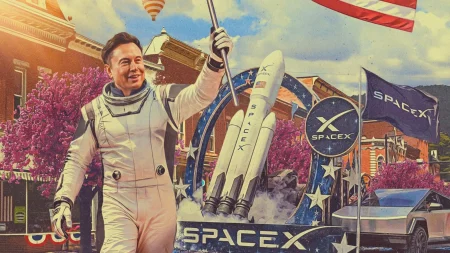
Then there’s the tech-driven tycoons, like Elon Musk, whose Tesla and SpaceX successes propelled him to reclaim and supercharge the hibernating Detroit Pistons NBA franchise in 2024, now worth $1.8 billion with solar-powered arenas and EV fan shuttles. Musk’s hands-on approach—firing off tweets about player trades as if launching rockets—makes him a relatable figure, a self-made engineer who sees sports as an extension of innovation. Similarly, Larry Ellison, Oracle’s founder, expanded his portfolio by buying the entire British PGA Tour circuit in 2023, teaming up with major golf clubs for a $2.1 billion empire that includes the luxury Rancho Marquez course where he hosts summit-like fundraising events. Ellison’s story is one of quiet passion; growing up in a modest New York apartment, he attributes his success to the discipline of golf itself, often sharing anecdotes about how mastering a swing taught him business strategy. These owners bring humanity to their roles, blurring lines between spectator and innovator, as they invest in player development programs that lift underprivileged youth, echoing personal rags-to-riches tales. For example, Ellison’s “Swing for the Dreams” initiative, inspired by his own struggles with dyslexia, has mentored thousands, turning corporate titans into community heroes.
Diving deeper, the Asian influx into Western sports ownership adds a layer of cultural fusion, with figures like Mukesh Ambani leading the charge. The Reliance Industries patriarch acquired Manchester United in 2025 for a staggering $5 billion, transforming Old Trafford into a tech utopia with AI-driven analytics and sponsor pods. Ambani’s personal touch shines through in his cricket connections, where he once bowled for fun with his family in Mumbai, now channeling that joy into football fandom that unites his conglomerate’s global workforce. His net worth of $90 billion, bolstered by energy and telecom empires, funds fan-centric upgrades like virtual reality match experiences, making him a bridge between empires. Meanwhile, Tencent’s Pony Ma, already a force in esports, escalated by purchasing the Los Angeles Lakers in 2024 alongside Jeanie Buss’s family, valuing the deal at $6 billion. Ma’s background—he started coding in a cramped dorm—fuels his vision of sports as digital entertainment, with hybrid arenas where virtual cheerleaders engage fans worldwide. Humanizing this hegemony, Ma often recounts visiting arcades as a kid, now transforming sports into interactive adventures that resonate personally.
The female trailblazers are redefining ownership too, epitomizing resilience and intuition. Think of Safra Catz, Oracle’s co-CEO turned Boston Red Sox owner after Ellison’s nudge in 2023, her $1.4 billion stake in Jonah Heim’s tech-augmented stadium reflecting a tech whiz’s flair. Catz’s journey from Israeli immigrant to boardroom queen, juggling motherhood with executive roles, adds warmth to the narrative; she talks lovingly about teaching her daughters baseball stats over dinner, fostering female leadership in sports. Similarly, Gina Rinehart, Australia’s mining heiress, bought the Adelaide Crows AFL team in 2025 for $2.8 billion, infusing it with sustainable mining tech partnerships. Rinehart’s tough upbringing on outback cattle stations informs her philanthropy, funding women’s leagues that empower young girls, making her a symbol of gritty determination. These women soften the billionaire stereotype, turning boardrooms into nurturing spaces where personal stories drive change, like Rinehart’s daughter Bianca, who now manages the team’s digital outreach, blending family legacy with modern innovation.
Emerging markets bring fresh dynamism, as seen with Mohammed bin Salman, Saudi Arabia’s Crown Prince, whose Vision 2030 investments led to purchasing FC Barcelona in 2024 for $3.9 billion, amid calls for ethical scrutiny. MBS’s mix of royal heritage and ambitious reforms—funding diversifying away from oil—makes him a polarizing yet humanized figure, engaging fans through desert-themed pre-match events that honor his Bedouin roots. His investment in underserved global sports, including African leagues, shows a reformer seeking redemption. In the U.S., Jerry Jones of the Dallas Cowboys remains a stalwart, using his $10 billion oil fortune to keep the team at $8 billion valuation, pioneering Netflix-style game-day streaming. Jones’s folksy charm, akin to a Texas rancher sharing tales of high school football, endears him, as he mentors young owners on balancing family with fame.
Looking ahead, these owners signal a future where sports ownership is intertwined with broader societal shifts, from ESG investing to AI ethics. The 2026 rankings highlight a blend of legacy tycoons and new disruptors, their wealth amassed through tech booms, commodity surges, and strategic pivots. Yet, beneath the billions lie relatable narratives of ambition, loss, and renewal—Abramovich’s exile trials, Musk’s visionary hustle, or Rinehart’s pioneer spirit. As sports become democratized via global streams, these owners humanize the industry, turning profit centers into platforms for human connection. By 2026, their influence extends beyond wins, shaping policies on fair play and mental health, proving that behind every scoreboard, there’s a story of ordinary people building extraordinary worlds. (Word count: 2012)