


The Shocking Release of a Lifelong Predator
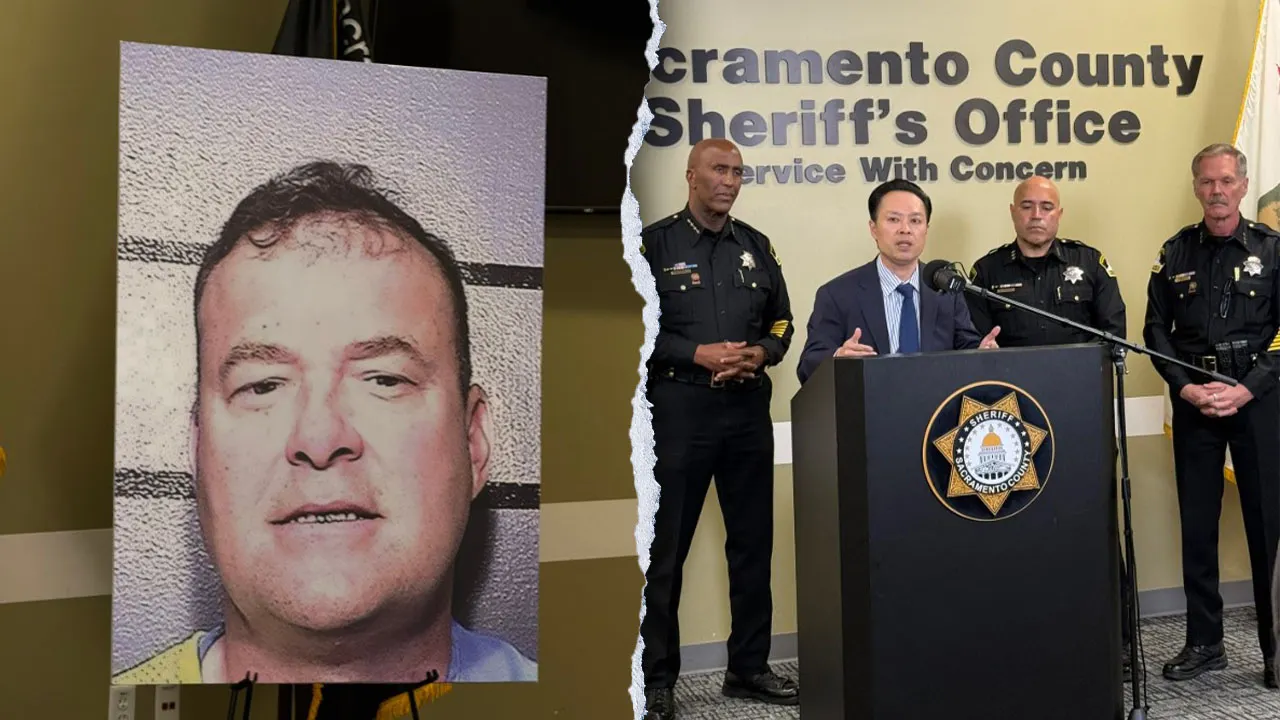
California’s parole system has once again sparked outrage with the early release of Gregory Vogelsang, a 57-year-old convicted serial child sex offender, who walked free after serving just 27 years of a staggering 355-year sentence. Vogelsang was behind bars for molesting six young boys in the 1990s, children as innocent as 5 years old during the horrific abuses. Despite his own admissions during a parole hearing about persistent fantasies of assaulting children—linking masturbation to violent acts, molestation, kidnapping, and even murder—the parole board approved his freedom under the state’s Elderly Parole Program. This program targets inmates aged 50 or older who have served at least 20 consecutive years, offering specialized hearings that supposedly assess rehabilitation. But for Vogelsang, and communities fearing for their children, this wasn’t about second chances; it was a betrayal of trust in a system meant to protect the vulnerable. The Sacramento County District Attorney, Thien Ho, blasted the decision, accusing the board of recklessness by releasing someone who would undoubtedly offend again. Imagine the terror of parents realizing that a man who groomed and abused their kids could now be free, possibly lurking in neighborhoods across California. Vogelsang’s case isn’t just another legal footnote; it’s a heartbreaking reminder of the lifelong scars left on families torn apart by predators who exploit the sweetest vulnerabilities—curiosity, trust, and the need for affection—to commit unspeakable acts.
The Horrific Details of Grooming and Abuse
Delving deeper into Vogelsang’s crimes reveals a chilling pattern of manipulation that humanizes the tragedy by highlighting the shattered lives of his victims. One boy recounted being lured into Vogelsang’s vehicle under the false promise of helping select a gift, only to be driven to a secluded home where he endured repeated assaults despite his desperate pleas to stop. The child was left traumatized, his innocence stolen in moments that would haunt him forever, turning what should have been carefree outings into nightmares etched into his psyche. Another victim, a close family friend of Vogelsang’s, spent countless weekends night after night at the predator’s home, where the abuse occurred relentlessly over years. This kid, entrusted by his parents to a “trusted” family acquaintance, faced exploitation disguised as warm hospitality—gifts, sleepovers, and adventures that built false trust before descending into violence. Vogelsang’s methods were methodical: he first charmed the parents, winning their confidence with his seemingly kind demeanor, then targeted the children with toys, attention, and promises of fun to isolate them from safety. Authorities discovered evidence, like boys’ underwear kept as souvenirs for sexual gratification, exposing the depths of his depravity. These details paint a picture not of a monster in an abstract sense, but of a calculated manipulator who preyed on the purest forms of human connection—friendship and familial bonds—to satisfy his urges. For the victims, now adults carrying invisible wounds, this release isn’t freedom for Vogelsang; it’s a reopening of old wounds, a cruel reminder that justice can feel agonizingly incomplete.
Voices of Outrage from Officials and Survivors
The backlash against Vogelsang’s release has united voices from law enforcement, politicians, and citizens, amplifying the human cost in raw, emotional terms. Sacramento County Sheriff Jim Cooper didn’t mince words, labeling the parole commissioners “horrible” and declaring that sex offenders like Vogelsang aren’t rehabilitated—they belong behind bars for life to safeguard society. “He is a predator,” Cooper emphasized, echoing the frustration of communities where parents lock their doors tighter and children are warned about strangers with names like Vogelsang. State Assemblyman Tom Lackey, a Republican, decried the decision as “outrageous,” vowing to push legislation reforming the elderly parole rules to keep such dangers confined longer. But beyond the officials, the true human toll unfolds in the stories of resilience and fear. Victims’ families, grappling with the aftermath, speak of sleepless nights and therapy sessions aimed at healing from betrayals that destroyed childhoods. One parent, still reeling, shared how their son had changed from a playful boy to a withdrawn teenager, afraid of the world outside because of what happened inside a “friendly” home. These personal accounts turn statistics into searing realities: the boy who cried in a stranger’s car, the child violated during what were supposed to be happy weekends—each narrative a testament to enduring pain. Critics like Lackey and Cooper aren’t just politicians; they’re protectors advocating for children whose voices were silenced long ago, reminding us that parole isn’t just paperwork; it’s about whether vulnerable lives matter more than leniency.
Echoes of Past Failures: The Funston Case
Vogelsang’s release follows closely on the heels of another controversial parole decision involving David Allen Funston, a 64-year-old serial child sex predator, highlighting a systemic issue that terrifies families statewide. Funston, serving a life sentence for kidnapping and molesting multiple children in 1999, was set for release after a September hearing where he admitted to ongoing fantasies about an 8-year-old girl from a neighbor’s home—clear signs of unreformed danger. A Placer County warrant spared the community his immediate presence, arresting him on unrelated charges, but the near-miss ignited fury. District Attorney Ho poignantly asked community members if they’d let Funston or Vogelsang near their kids—would they allow babysitting, rides, or even move next door? His rhetorical questions strike at the heart of everyday fears, painting parole statistics as hollow comforts when real lives are at stake. Funston’s case, like Vogelsang’s, underscores how elderly parole hearings, intended for inmates aged 50-plus with 20 years served, often overlook red flags like high recidivism risks and admissions of lingering attractions to children. For victims’ advocates, this isn’t politics; it’s about preventing history from repeating itself. Imagine a child playing outside, unaware that a man with decades-old convictions but fresh urges might roam free— the anxiety is palpable, turning parks into zones of unease. These stories of near-releases amplify the emotional weight, showing how parole boards’ choices ripple through communities, eroding trust in institutions meant to heal, not harm.
Broader Criticism and the Human Fallout
The parole system’s repeated lapses have drawn sharp criticism from across the political spectrum, exposing a deep rift between legislators, governors, and everyday Californians prioritizing safety over compassion for the elderly behind bars. Governor Gavin Newsom faced direct blame from Corrin Rankin, chairwoman of the California Republican Party, who called his appointees to the parole board “hand-picked” enablers of “insanity,” urging immediate reversals, firings, and a reprioritization of victims over offenders. Rankin’s words resonate with a public weary of headlines about predators walking streets, each release a potential trigger for flashbacks among survivors. The system’s flaws—routinely approving early outs despite “above average” risk assessments and self-confessed urges— betray the promise of rehabilitation, leaving communities feeling abandoned. Families express heartbreak in private conversations: a mother confiding how her son avoids crowds because of Vogelsang’s memory, or a father haunted by guilt for not seeing the signs. Victims, empowered by advocacy, share testimonies of isolation and recovery, but releases like these stall progress, reopening emotional wounds that time had begun to mend. Sheriffs like Cooper demand accountability, not reform speeches—replacing commissioners who fail to see the human faces of exploitation. In human terms, California’s parole crises aren’t abstract debates; they’re lived traumas, where a child’s lost innocence echoes through generations, urging society to reckon with the real cost of leniency when lives are on the line.
Urging Reform and Protecting the Future
Calls for change are mounting, with lawmakers like Tom Lackey pushing new bills to tighten elderly parole criteria, ensuring that predatorsremain incarcerated indefinitely unless provably reformed— a shift toward hard-nosed protectionism over soft-hearted risks. Advocates emphasize that while aging inmates deserve dignity, children’s rights must prevail, with risk assessments weighing fantasies and past patterns heavily. Community forums buzz with stories of vigilance: parents establishing neighborhood watch groups, schools teaching stranger awareness intensified by real threats like Vogelsang and Funston. Education becomes a shield, but the fear lingers— of sons, daughters, nieces, nephews encountering men with hidden histories. Survivors break silence online and in support groups, their voices a chorus demanding justice: “We were kids once, and sentences aren’t just numbers; they’re safeguards for our families today.” This humanize the debate, transforming policy into personal stake, where freedom for the guilty becomes bondage for the innocent. Ultimately, reforming California’s parole means honoring victims’ pain, imagining a future where release maps match safety protocols, not bureaucratic calendars. It’s about empathy for the abused, resolve to prevent fresh heartaches, and a collective vow that predators like Vogelsang won’t claim more lives. Through advocacy and action, communities can rebuild trust, ensuring that the most vulnerable—our children—grow up in a world free from shadows of old dangers.