



The Shifting Landscape of Campus Antisemitism
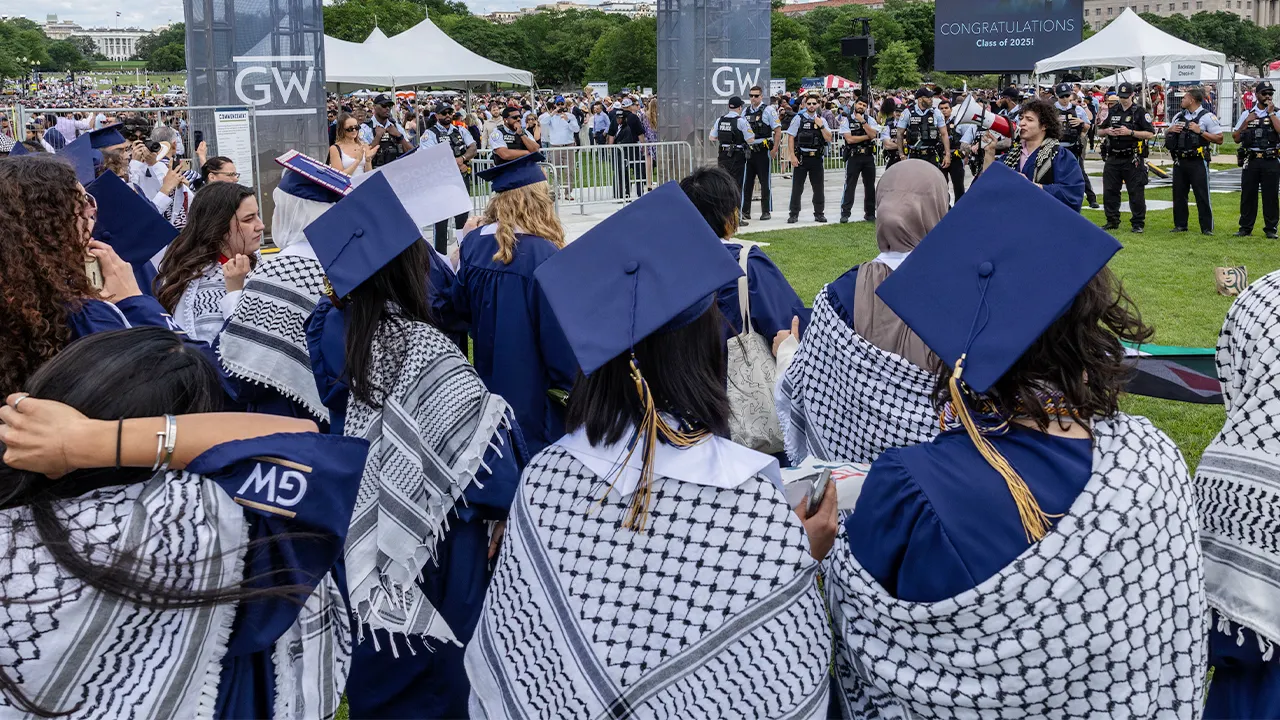
Imagine walking into a college campus in 2026, where the air buzzes with debates about identity, politics, and history. For Jewish students and those who stand with Israel, the environment feels both hopeful and fraught. The Anti-Defamation League (ADL) just dropped its 2026 Campus Antisemitism Report Card, a beacon of data that shines a light on how colleges are grappling with hate. They evaluated 150 universities on 32 criteria, splitting them into buckets like administrative policies, Jewish life on campus, and overall conduct. The big headline? Grades shot up from a dismal 23.5% As and Bs in 2024 to a solid 58% in 2026. That’s real progress: 23 As, 64 Bs, 53 Cs, 6 Ds, and 4 Fs. Forty-seven percent of schools even improved their marks from the year before. As someone who’s watched these reports evolve, it’s like finally seeing the pendulum swing away from chaos—those ugly scenes of encampments and disruptions in 2024 feel like a bad dream now that most schools ban them outright. This feels personal; I’ve talked to parents terrified about sending their kids to college, worrying about invisible threats of bias. Now, policy tweaks count for something tangible. It’s not just bureaucracy; it’s people recognizing that extremism can’t fester unchecked. Jonathan Greenblatt, the ADL’s CEO, credits this turnaround to three main things: smarter policies enforced like never before, political pressure from the Trump administration and Republican lawmakers who’ve made accountability a watchword, and relentless push from outside groups like the ADL itself. Greenblatt sums it up bluntly in an interview with Fox News Digital: “Campuses are now enforcing their policies and driving better practices. It’s improved. There’s just no doubt that we’ve seen a range of different institutions realize that extremism on their campuses needs to be confronted.” It’s a relief to hear that acknowledgment—after years of feeling like universities were turning a blind eye, leaders are stepping up. I picture administrators huddling over these report cards, not as cold metrics but as guides to create safer spaces. The Trump folks played their part too, with the DOE’s Office for Civil Rights warning 60 universities in March 2025 about Title VI violations, spanning Ivy Leaguers and state schools. Oversight like that feels heavy-handed but necessary, like a stern parent nudging wayward kids. And the ADL? They’ve handed out tools—webinars, data, transparency—that make improvement irresistible. Officials from places like American University and Penn rave about it: their “invaluable” resources helped them self-assess and adapt. It’s human progress, driven by empathy and facts, not just reacting to headlines. Colleges aren’t perfect, but this evolution shows that when people commit to better, change happens, and spaces once poisoned by division can heal.
Policies in Motion: The Engine Behind the Grades
Diving deeper into the report, the policy shifts scream “we’re listening.” By 2026, 94% of the 150 schools outright forbid unauthorized encampments and event disruptions, with the rest nixing at least one—a far cry from the free-for-all protests that marred campuses post-October 7. Fifty-four percent now have dedicated entities for tackling antisemitism, creating Jewish support hubs that feel like lifelines. And 46% explicitly call out antisemitism in their non-discrimination rules, spelling it out clear as day. It’s not just words on paper; this is enforcement in action. I empathize with the weariness of campus leaders who’ve likely spent sleepless nights debating free speech versus safety. Take Jonathan Greenblatt’s insights: he paints a picture of universities awakening to the truth that extremism isn’t tolerated anymore. That DOE scrutiny? It targeted big names, warning that Title VI violations—federally forbidding discrimination based on national origin—could mean lawsuits, funding cuts, or worse. Imagine the pressure on those Ivy League deans, suddenly accountable in ways their predecessors weren’t. Republicans in Congress amplified it, keeping the heat on through oversight that Greenblatt describes as unprecedented: “The Trump administration, irrespective of where you stand on the political spectrum, absolutely focused on this issue. And ensure that administrators understood they would face consequences for not doing better.” It’s like flipping a switch from indifference to vigilance. Personally, I feel a surge of hope when I think of students now protected by these changes; no more guessing games about what’s allowed. Schools like CUNY Brooklyn College attest to the ADL’s influence, with their VP of Student Affairs calling webinars a game-changer for assessing and improving climates. This isn’t just policy porn—it’s real-world changes preventing the kind of chaos that left Jewish kids feeling isolated in 2024. The external pressure from groups and government isn’t bullying; it’s a wake-up call that has colleges rethinking their roles as safe havens. As someone rooting for education’s liberality, it’s refreshing to see institutions embracing responsibility, balancing freedom with conscience. This momentum hints at a future where debates include everyone, not just the loudest.
The Human Cost: When Policies Don’t Match Real Life
But here’s the gut-punch: while schools are acing policies, student experiences tell a different story. The ADL surveyed 1,007 undergrads in January-February 2026, and nearly half (48.3%) of non-Jewish students reported witnessing or experiencing anti-Jewish behavior in the past year. Worse, 47.6% endorsed at least one anti-Jewish attitude, with 19.2% clutching three or more entrenched prejudices. Anti-Jewish bias feels “widely visible,” the report notes, and it’s not just isolated incidents—it’s pervasive, affecting how kids interact in dorms, quads, and classrooms. I get emotional thinking about this disconnect; policies create frameworks, but lived realities are messy. Picture a Jewish student overhearing whispers about Zionist conspiracies or seeing subtle exclusions during group projects—policies ban encampments, but they can’t erase biases ingrained in minds. Greenblatt calls it a “major misconception” that anti-Zionism is just politics, likening it to eugenics as invalidated science: “The idea that anti-Zionism is just a valid view is kind of like saying eugenics is a valid science. It is not… and anti-Zionism, this kind of nihilistic view that Israel has no right to exist, and it should be destroyed. That’s not a legitimate, if you will, political philosophy. That’s a recipe for inciting violence against people.” It’s raw—and right. For students, this means navigating a campus where political views masquerade as harmless dissent. Despite the grades, most students back institutional action, yet the gap persists. Greenblatt points to a “360-degree approach,” tackling issues in classrooms, dorms, quads, and online. Kids are soaking up antisemitic narratives from social media, where influencers spread blame that could boil over. It’s heartbreaking; I’ve met Jewish families recounting trauma from 2024 protests, and seeing this undercurrent worries me for the future. Policies are a shield, but they need hearts and minds to fully protect. This survey data humanizes the struggle—numbers into stories of everyday marginalization.
Faculty Fallout and Training Shortfalls
To bridge that gap, Greenblatt urges attention to faculty attitudes, noting they’re “still a problem” after years of vissitudes. Even with policies, professors’ views on Judaism and Israel can poison discussions, undermining safety for Jewish or pro-Israel students. Plus, training falls short: schools tout orientation on antisemitism, but too few students actually receive it. “Better policies and improved practices definitely create an environment that is safer… That doesn’t necessarily mean though that the lived experience of every Jewish student is that much better,” he says. We need to ensure programs reach everyone, fostering empathy over echo chambers. As a parent figure in this narrative, I imagine faculty lounges where teachers debate these topics—some enlightened, others not. The problem roots deeper in online influences; students encounter viral content amplifying hate, blurring lines between forums and campuses. Greenblatt’s call for comprehensive strategies feels urgent, like preparing for a storm. Linking back to student surveys, entrenched attitudes suggest unaddressed training voids—perhaps professors need their own refresher courses? It’s not just about rules; it’s culture shifts. Consider the statistics: with 19.2% holding multiple biases, classrooms become battlegrounds for unspoken prejudices. Jewish students might self-censor in debates, fearing backlash. This fragility demands proactive measures—universities must audit faculty biases, mandate inclusive curriculums, and verify training uptake. Personal anecdote time: I recall a friend whose kid withdrew from a top school after antisemitic incidents; policies helped somewhat, but without authentic engagement, trust erodes. Greenblatt’s emphasis on lived experiences resonates; progress is paper-deep without soul-deep changes. Empowering students with knowledge combats isolation—think workshops on recognizing bias, not just banning it. It’s a human endeavor: educators influencing futures, but only if equipped with tools for tolerance. As campuses evolve, this focus on faculty and training could transform apathy into allyship, making every lecture hall a haven.
Fragile Gains: Warnings Amid Global Tensions
Yet, these gains feel fragile, especially with the world on edge. The Iran war, kicking off just weeks before the report, hasn’t sparked campus eruptions like October 7’s Hamas aftermath, but Greenblatt fears the tide is turning. Online, blames Israel narratives flood in, potentially overflowing into protests. “Since the Iran war began just over a week ago, we haven’t seen the explosion of protests… That’s a good thing. But we are seeing… a great deal of blaming of the Jewish state or the Jewish people for this war. I worry that as this war goes on, blaming… could contribute to, again, Jewish individuals or Jewish institutions being targeted.” It’s a cautionary tale; digital echo chambers incubate hate that could ignite IRL unrest. In 2026, universities must preempt by promoting dialogue early. Greenblatt advocates for leaders to “quell potential protests before they start,” respecting free speech but drawing lines at inciting violence. “University leaders have a huge role… that doesn’t mean that freedom of speech is freedom to incite violence against your classmates.” Picture scenes of moderators guiding debates, preventing flashpoints—it’s compassionate leadership. As tensions rise, schools risk regression if they ignore online seepage. This isn’t paranoia; history shows cycles of conflict mirroring campus climates. For Jewish students, it’s nerve-wracking—fear of a rerun of 2024 assaults. External groups like ADL offer templates for prevention, yet action lies with institutions. Humanizing this: consider a student like me, glued to news, wary of social feeds. Universities as beacons must bridge policy and reality, fostering resilience. The report’s uptick is progress, but vigilance is key—lest another trigger shatter peace.
Moving Forward: Leadership and Lasting Change
In wrapping this up, the ADL’s report card isn’t just a score—it’s a call to action for sustainable change. While policies have improved and enforcement tightened, students’ realities expose lingering antisemitism, from witnessed incidents to embedded biases. Colleges face the imperative to integrate these wins into daily life, addressing faculty, training, and digital influences. Greenblatt’s warnings about emerging conflicts underscore the need for vigilant leaders who balance freedoms with protections. As someone invested in this narrative, I feel optimistic yet cautious—human progress stems from empathy-driven reforms. Universities, empowered by government and NGOs, can cultivate inclusive spaces where all students thrive, free from hate. This evolution from 2024’s lows to 2026’s highs is proof that accountability works, but the journey continues. For families and educators alike, it’s about commitment: not just surviving protests, but preventing them through unity, education, and heart. Let’s keep pushing for campuses that truly embody our shared ideals.