



Mustafa Ali’s Painful Victory at TNA “Genesis”
In the world of professional wrestling, victory often comes with a price. This past weekend at TNA “Genesis,” former WWE Superstar Mustafa Ali experienced this reality firsthand. While he secured an impressive win against Elijah in the night’s second match, the aftermath revealed the physical toll the contest had taken on his body. Following the nine-minute bout, Ali shared an image on social media that left fans wincing—his toenail had been nearly completely uprooted, surrounded by dried blood. The graphic nature of the injury served as a stark reminder of the physical sacrifices wrestlers make for their craft, even in matches that might seem relatively short to viewers at home.
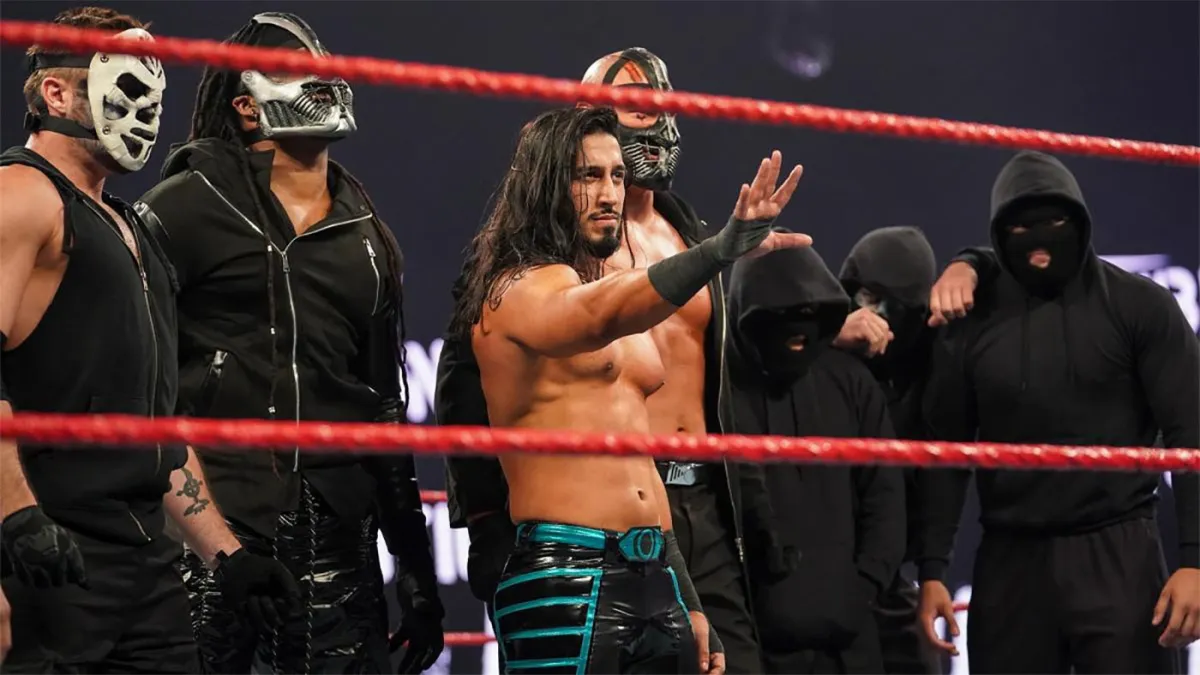
The match itself showcased Ali’s cunning and tactical approach, as he didn’t secure his victory alone. With his entourage of Tasha Steelz, John Skyler, Jason Hotch, and Special Agent 0 at ringside, Ali ultimately capitalized on the numbers advantage. The decisive moment came when he delivered a punishing guitar shot to Elijah’s back, allowing him to secure the pinfall and the win. This victory continued to cement Ali’s position as a significant player in TNA since joining the promotion after his WWE departure. His ability to command attention in the ring and generate crowd reaction has made him a valuable asset to TNA’s roster and ongoing storylines.
Behind the glitz and spectacle of professional wrestling lies the harsh physical reality that performers face. Ali’s willingness to share such a graphic image of his injury pulls back the curtain on this aspect of the business that fans don’t always consider. Wrestlers routinely perform through pain, hiding injuries from the audience to maintain the illusion of invincibility. This particular toe injury, while perhaps not as headline-grabbing as broken bones or concussions, represents the everyday wear and tear that accumulates throughout a wrestler’s career. Each match adds another layer of physical toll, creating a cumulative effect that can ultimately determine how long a performer can remain active in the ring.
The timing of Ali’s injury raises questions about his immediate future in TNA. The promotion has not yet released an official statement regarding his medical status or clearance for upcoming television tapings. For professional wrestlers, the pressure to perform despite injuries is immense—missing bookings can mean lost momentum, storyline disruptions, and financial implications. Ali now faces the difficult balancing act of allowing proper healing while maintaining his position on the roster. His status as a “top and key figure” for TNA means that any extended absence would create a significant void in the promotion’s programming during what is described as “a critical time” for the company.
Since making the transition from WWE to TNA, Mustafa Ali has successfully reinvented himself and his career trajectory. Wrestling organizations like TNA depend on recognizable talent with mainstream exposure to attract viewers and build compelling storylines. Ali’s ability to connect with audiences and deliver quality matches has made him an integral part of TNA’s roster strategy. His current injury situation illustrates the precarious nature of building a promotion around key performers—injuries are not just personal setbacks for the wrestlers but can disrupt carefully planned booking decisions and storyline progressions that might have been months in the making.
For fans following Ali’s career, this injury serves as a reminder of the authentic human beings behind the larger-than-life wrestling personas. While wrestlers like Ali portray characters in scripted scenarios, the physical risks they take are very real. This duality creates a unique connection between performers and audience—we appreciate both the athletic storytelling and the genuine sacrifice it requires. As Ali recovers from this painful injury, supporters will likely follow his journey back to full health with the same interest they bring to his in-ring performances. Whether this setback proves minor or requires significant recovery time, it adds another chapter to the ongoing story of Mustafa Ali’s wrestling career—one marked by both triumphs and the physical costs that come with them in this demanding profession.