






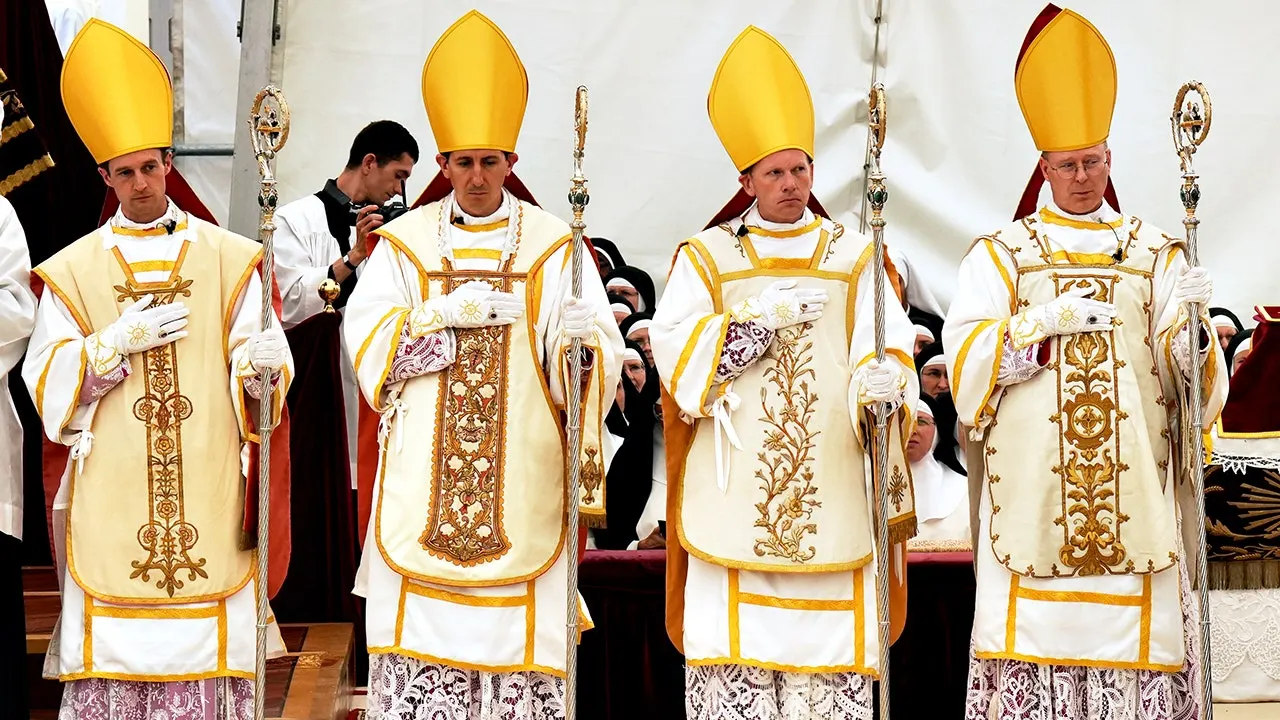
The Vatican has officially declared the Society of St. Pius X (SSPX) to be in a state of schism, excommunicating several bishops who participated in unauthorized ordinations. This decisive move marks the first major theological showdown for Pope Leo XIV, who had personally pleaded with the traditionalist group to halt their plans. Despite the pontiff’s direct appeals, the SSPX went ahead with consecrating four new bishops at their seminary in Écône, Switzerland, prompting an immediate and severe disciplinary response from Rome. Under Catholic canon law, only the Pope has the authority to sanction the creation of new bishops to preserve the Church’s structural and spiritual unity.
In a formal decree released by the Holy See, the Vatican announced the automatic excommunication of the four newly consecrated bishops, as well as the two presiding bishops who performed the ceremony. This severe penalty effectively cuts these clergy members off from the sacramental life of the Catholic Church. Furthermore, the Vatican stripped the SSPX of its authorization to validly administer key sacraments, specifically confession and marriage. In an effort to curb the spread of the breakaway movement, Rome also issued a direct warning to lay Catholics, urging them to distance themselves from SSPX chapels and to cease attending their Masses.
For decades, the Vatican has walked a delicate tightrope, trying to reconcile with the SSPX, which originally broke away in protest over the modernization efforts of the Second Vatican Council in the 1960s. The traditionalist group strongly rejects these modern reforms, most notably the transition from the traditional Latin Mass to vernacular languages. In 1988, the movement’s founder, French Archbishop Marcel Lefebvre, was excommunicated under nearly identical circumstances after ordaining bishops without papal permission. While Pope Benedict XVI lifted those original excommunications in 2009 to foster healing, the group never fully reintegrated into the formal structure of the Church.
The timing of this schism is particularly painful for Pope Leo XIV, an American-born pontiff who has made healing internal divisions a cornerstone of his papacy. Unlike his predecessor, Pope Francis, who often clashed with ultra-conservative factions, Leo has actively sought to build bridges with alienated traditionalists. Just days before the controversial ceremony, the Pope sent a deeply personal letter to the SSPX’s leader, the Rev. Davide Pagliarani, writing, “I plead with you and ask you with all my heart: please turn back!” This emotional request sought to prevent a permanent fracturing of the Church’s ancestral line of succession.
Despite the Pope’s emotional intervention, Pagliarani and the SSPX leadership remained defiant, framing their actions as a defense of the true Catholic faith rather than an act of rebellion. During the ordination ceremony in Switzerland, Pagliarani insisted that their resistance was born out of love for the papacy. He argued that they were acting to protect the office of the Pope from being degraded by modern errors and “false religions” that they believe have infiltrated the mainstream Church since Vatican II. To the traditionalist group, the ordinations were not a betrayal, but an essential preservation of authentic Catholic priesthood.
With the Vatican’s doors now firmly shut on the SSPX, the future of the traditionalist movement remains highly uncertain, yet its influence continues to loom large. Despite decades of canonical isolation, the society has grown into a formidable global network, boasting hundreds of priests and seminarians who serve traditionalist communities in dozens of countries. By going through with the unauthorized ordinations, the SSPX has solidified its status as an independent entity outside of Rome’s authority. This dramatic rupture serves as a stark reminder of the deep, ongoing cultural and theological divisions that continue to challenge the unity of the modern Catholic Church.