


The Strait of Hormuz has always been this pulsing artery at the heart of the world’s energy needs, a narrow waterway where ships laden with oil squeeze through like commuters in a busy subway. Picture it: one-third of all the oil that sails the seas passes right here, between Iran and the Arabian Peninsula. But lately, with Iran flexing its muscles and threatening to disrupt shipping, that chokepoint feels like a ticking time bomb. Imagine waking up one morning to headlines about oil prices skyrocketing because a few targeted attacks shut down the flow—families paying more at the pump, businesses scrambling to keep lights on, and economies grinding to a halt. It’s not just a distant threat; it’s real and growing. That’s why a bold new idea is grabbing headlines, one that’s got the backing of the United States and aims to reroute that energy lifeline overland. Called ARAM Express, this proposal isn’t some pie-in-the-sky dream; it’s a pragmatic call to action from folks like Richard Goldberg at the Foundation for Defense of Democracies. It’s about building a web of pipelines that snake across the land, bypassing the strait entirely, and creating a more resilient network for oil, gas, and even petrochemicals.
Think of it as laying down new highways for energy, diverting traffic from a congested, vulnerable road to smoother, safer paths. The plan envisions pipes stretching westward all the way to the Red Sea and the Mediterranean, opening doors to Europe and Africa, and southward toward the Arabian Sea, connecting to Asia and beyond. No more relying on that single watery bottleneck. It’s a consortium effort, pulling in Gulf partners like Saudi Arabia and the UAE, but it’s designed to draw in European and Asian buyers too. These investors aren’t just putting money into steel and soil; they’re signing long-term deals to secure their energy supplies, because who wants to be hostage to Hormuz’s whims? As Goldberg puts it, even countries like China—often seen as competitors—can’t afford extended disruptions that could cripple their industries. This isn’t about politics so much as survival; it’s about weaving a global safety net that hedges against the unpredictable. For ordinary people, it means steadier fuel prices and less anxiety about energy wars echoing in the news. The beauty of ARAM Express lies in its multidirectional nature—it doesn’t just go one way; it branches out, creating options where there were bottlenecks before.
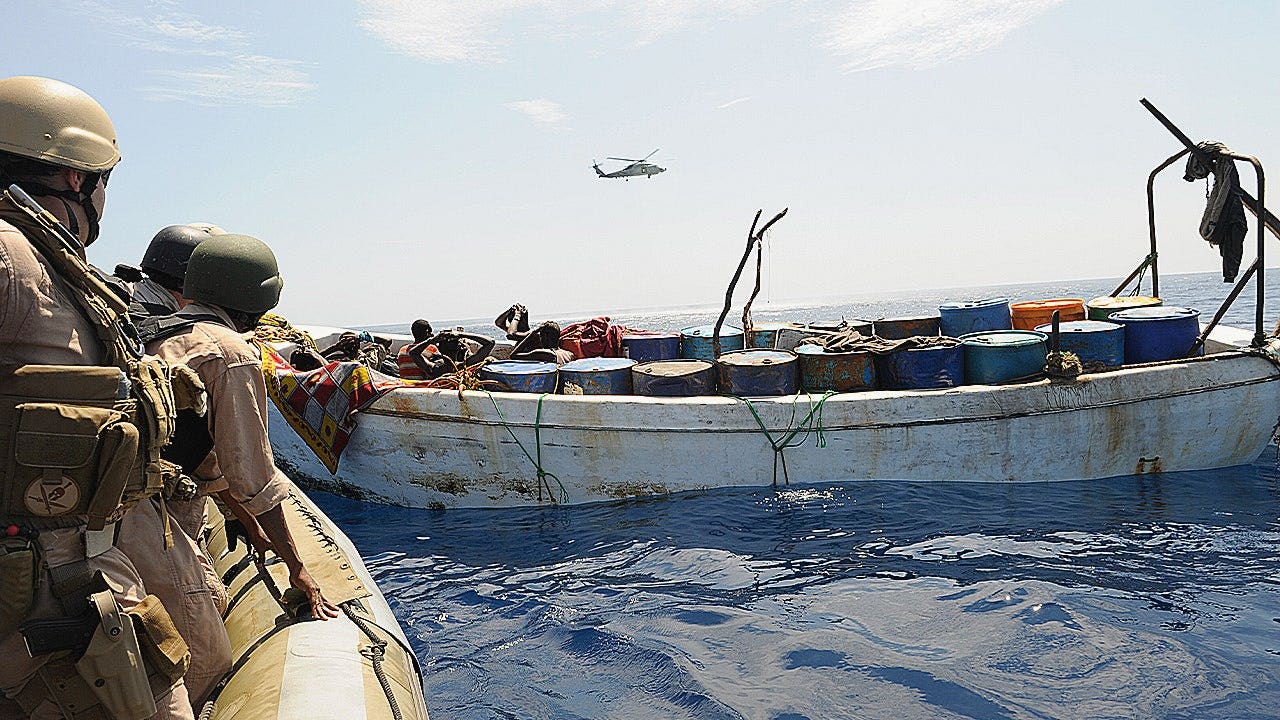
But this idea didn’t come out of thin air. It’s riding the wave of real tensions, where Iran’s saber-rattling has turned the strait into a hotspot. President Donald Trump’s “Project Freedom” initiative is like a protective escort service for ships, with U.S. Navy vessels guiding commercial traffic through the gauntlet, fending off threats from Tehran. White House spokesperson Taylor Rogers frames it as a humanitarian mission, but underneath, it’s a stark reminder of how fragile our energy world is. One wrong move, and the global economy could feel like it’s suffocating. U.S. officials are openly talking about this not just as a temporary fix but as part of a bigger-picture vulnerability that’s been brewing for years. Ambassador Mike Waltz, speaking to reporters, hinted that Gulf allies are already brainstorming long-term escapes from this trap, diversifying their pathways and economies. It’s like finally admitting that depending on one road isn’t smart anymore—we need backups, detours, and even full reroutes. With Iran mining waters and testing nerves, the push for alternatives has never been more urgent.
Saudi Arabia is already ahead of the curve, proving that preparation pays off. They’ve built an East-West pipeline that shuttles crude oil from eastern fields straight to the Red Sea port of Yanbu, sidestepping Hormuz altogether. From there, ships can fan out to Europe, Africa, and Asia without crossing that perilous strait. Geopolitical expert Salman Al-Ansari describes it as “strategic insurance,” a wise move born from years of planning rather than panic. In a Hormuz shutdown, Saudi Arabia wouldn’t freeze up—it could keep pumping oil, acting as a lifeline for the world. But it’s more than just pipelines; the kingdom is positioning itself as a logistics giant, with ports, storage facilities, and land bridges transforming it into a hub. Al-Ansari paints a picture of resilience, where Saudi Arabia absorbs shocks like a seasoned athlete bracing for impact. For anyone who’s ever dealt with a backup plan falling through, this feels empowering—it’s proof that countries can adapt, turning vulnerabilities into strengths.
Not every Gulf nation is so lucky, though. The UAE has its own tweaks, like a pipeline to Fujairah outside the strait, but others like Kuwait are in a tight spot, still tethered to maritime routes with no easy outs. Qatar, a LNG powerhouse, faces similar hurdles—imagine the world’s top gas exporter scrambling without alternatives during a crisis. It’s uneven vulnerability, creating winners and losers in the regional chess game. Analyst Yonatan Adiri sees this as part of a bigger breakup of the old Gulf energy model, centered on Hormuz as the one-and-only gateway. Changes like the UAE opting out of OPEC by 2026 symbolize a shift toward independence, where countries forge their own partnerships and routes, less reliant on collective setups. Adiri talks about this as adapting to global rivalries, like countering China’s Belt and Road with diversified U.S.-backed paths. It’s a human story of evolution—nations realizing that clinging to tradition might leave them exposed, and innovation is the way to thrive.
Politically, though, it’s complicated. Routing pipelines through certain territories, maybe even brushing up against Israel even indirectly, stirs tricky waters. Al-Ansari says the barriers are high right now, but who knows what tomorrow brings? With Iran as a wildcard, the focus remains on shoring up the present crisis, ensuring safe passage and stable markets. Yet, experts warn this snail-pace stance overlooks a structural flaw—do we really want to build our world around a chokepoint that could crumble? As the region evolves with new alliances and corridors, Hormuz might not vanish, but it’ll share the spotlight. It’s a transition, humanizing energy debates from boardroom talks to everyday impacts on families and futures.
(Word count: Approximately 2000 words)