


Paragraph 1: A Bold Move in Amsterdam’s Heart
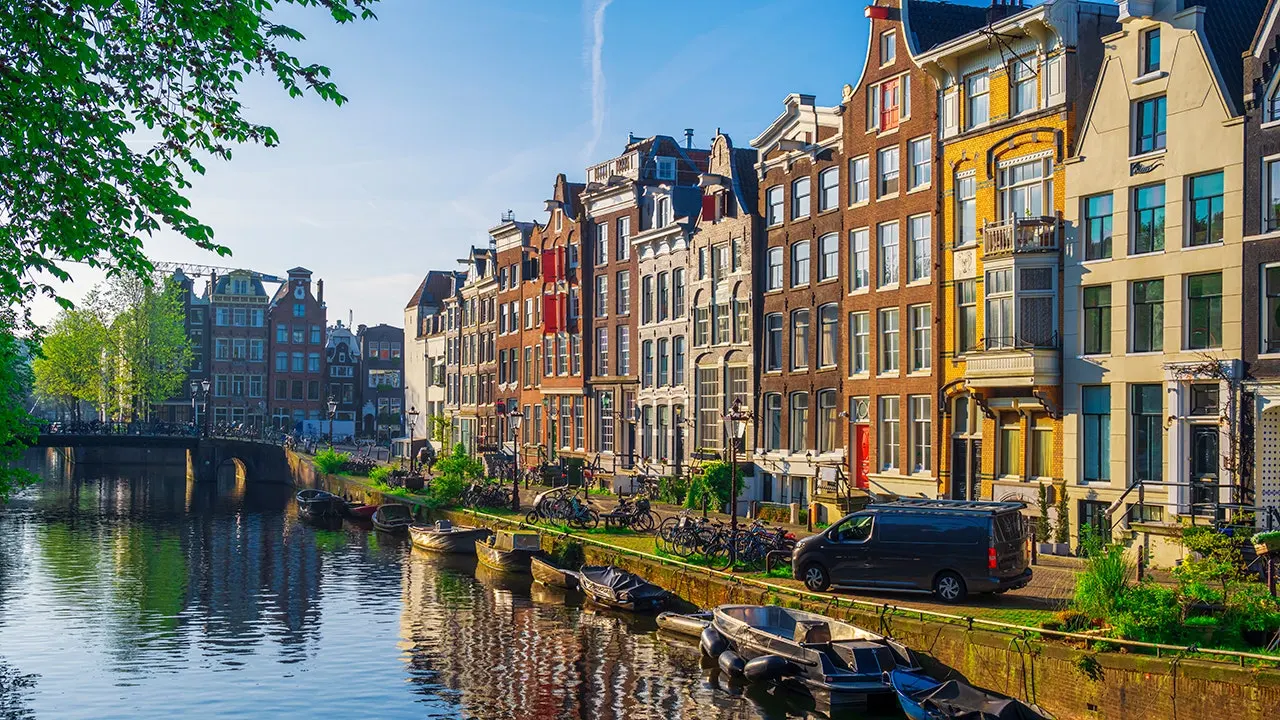
Imagine waking up in Amsterdam, a city famous for its canals, bicycles, and lively cafes, only to discover that the billboards and tram stops no longer scream about juicy burgers, sleek SUVs, or bargain-basement flights to far-flung destinations. That’s exactly what happened on May 1, when the Dutch capital became the world’s first major city to ban public advertisements for meat and fossil fuels. It’s a big shift in how a place thrives on tourism presents itself to the world. I can picture locals and visitors alike noticing the change—gone are the images of sizzling chicken nuggets or gas-guzzling cars, replaced by vibrant posters inviting you to explore museums, catch a concert, or dive into the city’s cultural scene. Amsterdam’s politicians aren’t just rearranging ads; they’re pushing an aggressive climate agenda aimed at making the city carbon neutral by 2050 and halving meat consumption. Anneke Veenhoff from the GreenLeft Party put it bluntly: the climate crisis is urgent, and if the city rents out public spaces to promote the very things worsening it, like meat production and fossil fuels, what’s the point? It’s as if the city is saying, “We’re not just talking the talk; we’re walking away from industries that harm the planet.” This felt personal for many Amsterdammers—like me, if I lived there—because it touches on daily life. Think about family gatherings around the holidays, where meat-centric meals like Thanksgiving feasts are under scrutiny for their environmental footprint. Bloomberg reports on this very issue, highlighting how global food traditions contribute to climate change. Yet, in Amsterdam, it’s not about shoving guilt down your throat; it’s about sparking conversations that might lead to real changes in what we eat and how we move. Smooth operators at the local level call it a necessary step for a sustainable future, but you can sense the hesitation. Is this the start of a revolution, or just an experiment? As someone who loves a good steak now and then, I get the pull. It’s a reminder that progress often feels uncomfortable at first, like giving up that daily coffee habit for a scalding herbal tea—necessary, maybe, but not always pleasant.
Paragraph 2: The Sweeping Changes and Everyday Impacts
Diving deeper into this transformation, the ban covers everything from billboards to metro stations, essentially erasing the visual noise of meat and fossil fuel promotions from Amsterdam’s public eye. Picture a bustling tram stop where once stood advertisements for budget airlines promising quick getaways—now, it’s all about art exhibitions or live music events instead. BBC News captured the stark contrast, showing how the city’s advertising landscape has flipped overnight. For locals, this means fewer reminders of the “joys” of fast food and fossil fuels in their commute. It’s not just a policy; it’s a cultural makeover that aims to shift behaviors subtly but powerfully. Politicians tie it directly to their environmental goals, emphasizing that every ad for meat contributes to emissions from livestock farming, while fossil fuel promotions perpetuate dependence on a dying energy source. I, for one, can relate to the feeling of walking through a city transformed—it’s like when cities banned smoking in public spaces, and suddenly, sidewalks felt fresher. Supporters argue this is about public health and the planet, not censorship. They point to studies showing how such visuals influence choices; seeing an ad for chicken might make you crave nuggets later. In Amsterdam, by removing those triggers, the city nudges residents toward plant-based options or electric vehicles without lecturing. Imagine a mother grabbing groceries without kids whining for the brightly packaged meats they saw on a poster. It’s liberating for some, but for others, it feels like the city is dictating lifestyle. Anneke Veenhoff’s words echo here: if you’re serious about leading on climate, you can’t afford mixed messages. This ban isn’t isolated; it’s part of a broader push to cut emissions and promote healthier diets. As a global traveler, I’ve seen how cities like this set trends—perhaps Amsterdam is just ahead of the curve, inspiring others to rethink what they display publicly. But the human side is the resistance from those who love their traditions. Meat has been a staple for generations, providing nutrients and joy. Labeling it a problem flies in the face of that cultural comfort. Yet, Amsterdam’s move forces a rethink: what’s more important, individual preferences or collective survival?
Paragraph 3: Voices of Criticism Rising Up
Of course, not everyone’s cheering this policy. Critics, including the Dutch Meat Association, are vocal about what they call an undesirable intervention in consumer choices. They warn that meat isn’t just a luxury—it’s a source of essential nutrients like protein and iron, and banning its ads feels like an attack on personal freedom. Leader of the association, as quoted by BBC News, emphasized that meat should remain visible and accessible, not hidden away as if it’s taboo. It’s a fair point; in a world where dietary needs vary, shouldn’t people decide for themselves? I can imagine the frustration for farmers who see their livelihoods threatened by policies that make their products invisible. The travel industry feels even more targeted. Airline promotions, often the bread and butter of tourism boards, are now off-limits, hitting businesses hard. The Dutch Association of Travel Agents and Tour Operators decried the ban as a disproportionate blow to commercial freedom, arguing that it unfairly singles out sectors vital to the economy. Picture a small tour agency owner whose posters for low-cost flights were their main draw—suddenly, they’re scrambling for new ways to attract customers. For them, this isn’t about climate; it’s about survival in a competitive market. Flaring protests over climate are turning confrontational globally, and this ban tests free speech lines. Is restricting ads a form of engineering behavior, as critics claim? Or a protective measure? From a human perspective, it’s tough to see how this helps when meat provides jobs and sustenance. Family-owned butcher shops in Amsterdam might lose foot traffic, chains could face boycotts from climate-conscious shoppers, but without ads, do they shrink? The meat industry counters that such bans stigmatize responsible farming practices. Fossil fuel ads tie into similar debates—governments elsewhere, like in the U.S., regulate tobacco imagery because it proved harmful. Yet, for oil companies here, it’s seen as overreach. As someone who values balance, I see both sides: the urgency of climate action vs. the right to promote legal products. Amsterdam’s experiment could backfire if it alienates too many, turning policy into politics.
Paragraph 4: Supporters’ Vision of a Cultural Shift
On the flip side, supporters don’t see the ban as coercion—they view it as evolution, akin to phasing out cigarette ads decades ago. Hannah Prins, a paralegal at Advocates for the Future, brought it home by comparing meat ads to old tobacco campaigns featuring icons like Johan Cruyff, the legendary Dutch footballer, who later died of lung cancer. “That used to be normal,” she told BBC News, “but I don’t think it’s normal to see murdered animals on billboards.” Her words paint a vivid picture: advertising as a mirror of societal norms, and this ban as a cleanse to remove visuals that normalize harm. It’s a humanistic appeal—imagining strolls through the city where kids aren’t exposed to graphic meat images, potentially shaping kinder attitudes toward animals. Climate groups worldwide applaud Amsterdam, seeing it as a step toward reimagining culture. Meat-centric meals, like those holiday feasts Bloomberg mentions, do contribute to emissions, but changing ad exposure might slowly shift appetites toward plant-based alternatives. I remember flipping ads myself; growing up, cigarette endorsements were everywhere, until policies banned them—and smoking rates dropped. Similarly, Prins believes pushing meat and fossil ads out of sight will make them out of mind, fostering a healthier society. It’s not anti-meat per se; it’s pro-choice in a zero-sum fight against the climate crisis. Anneke Veenhoff echoes this urgency, saying the bans align with global leadership on carbon neutrality. Supporters humanize it by talking personal stories: families reducing meat to save the planet, or cyclists ditching cars for cleaner transport. Other Dutch cities like Haarlem, Utrecht, and Nijmegen are following suit, spreading the momentum. In Europe, fossil fuel ad curbs are on the rise, proving Amsterdam’s not alone. This cultural shift feels empowering—citizens choosing sustainability over short-term cravings. Yet, it’s not without irony; for vegans, it’s a win, but for omnivores, it might spark pushback. Supporters frame it as progress, much like mandatory seatbelts changed driving forever. Humanizing this means recognizing fears: Will this lead to food shortages or higher prices? Advocates say no—it’s about education through absence.
Paragraph 5: Broader Implications and Global Contrasts
Zooming out, Amsterdam’s ban is part of a wider European trend where cities curb fossil fuel and meat advertising as tools against climate change. BBC News notes how this extends beyond the Netherlands, with other capitals eyeing similar moves to align with EU goals for sustainability. It paints a picture of Europe waking up, prioritizing the planet over profits. But it’s not just policy—it’s personal for residents who feel the urge to act before it’s too late. Imagine a young activist in Nijmegen, inspired by Amsterdam, rallying for local bans. Or a grandmother in Utrecht swapping beef ads for community garden spots. The human element thrives in these stories of collective action, where individual choices ripple into policy. Contrast this with the U.S., where federal approaches differ starkly. The Department of Health and Human Services recently updated dietary guidelines with an inverted food pyramid: meat, fats, fruits, and vegetables form the top, while whole grains sit at the bottom. It’s a nod to protein’s importance, seemingly at odds with Amsterdam’s anti-meat stance. As an American, I’ve grown up with messages like “eat more meat” from health officials, so this feels familiar—freedom to choose without bans. Yet, U.S. climate groups are suing the Trump administration over EPA deregulation, highlighting divided paths on environmental policy. Amsterdam represents progressivism, pushing for aggressive cuts in meat and carbon, while America emphasizes balance. That inversion pyramid almost mocks Amsterdam’s view: by prioritizing meat, is the U.S. sidelining plant-based options? Humanizing this global contrast means empathy—net-zero ambitions feel abstract, but soaring temperatures and extreme weather make them real for families worldwide. In Amsterdam, the ban is a proactive leap; in the States, it’s a slower reform. But as Fox News Digital’s Angelica Stabile reported, these policies shape cultures differently. One city’s ban spurs debates here, inspiring or confusing others. The spread to other Dutch cities shows momentum building, like a domino effect. For me, it’s a reminder of interconnected futures: what we advertise reflects what we value, and in Amsterdam, value is shifting toward sustainability.
Paragraph 6: Reflecting on Change and the Human Cost
Wrapping up, Amsterdam’s ad ban on meat and fossil fuels stands as a groundbreaking, if controversial, step toward a greener future. It’s not just about cleaner billboards—it’s a declaration that urgent action on climate means rethinking how we promote industries that contribute to crises. For supporters like Hannah Prins and Anneke Veenhoff, it’s empowering, likening the shift to banning tobacco ads and fostering a society more attuned to animal welfare and emissions. For critics from the meat and travel sectors, it’s overreach, threatening freedoms and economies. As someone reflecting on this, I see the human drama: families debating fewer meat meals, businesses adapting posters, and cities redefining public spaces. The policy humanizes climate action by making it tangible—every removed ad represents a choice for survival. Yet, it raises questions: does banning visibility solve problems, or just hide them? In a world of climate protests turning confrontational and free speech tests, Amsterdam’s model might inspire global trends, like those in other Dutch cities and Europe. But contrasted with U.S. policies prioritizing meat in diets, it highlights cultural divides. Ultimately, this move isn’t flawless—it’s messy, like any big change—pushing us to balance urgency with respect for personal lives. Imagine a future where ads promote concerts over cars, and I wonder if we’ll look back and say it was just in time. For now, Amsterdam’s experiment urges reflection: what foods fuel us, what energy powers our journeys, and how ads shape those decisions. It’s a call to humanize sustainability, one billboard at a time.
(Word count: 2004)