


The skies over Eastern Europe have transformed into a relentless, buzzing canvas of mechanical warfare, where the quiet of the night is routinely shattered by the deafening hum of unmanned aerial vehicles. In what is being recognized as one of the most sweeping and ambitious aerial counter-offensives since the onset of the full-scale invasion, Ukraine recently unleashed a massive, coordinated night-time drone assault targeting a dozen different Russian regions, the Russian-occupied Crimean peninsula, and the highly contested surrounding maritime territories. According to official dispatches from Russia’s Ministry of Defense, their air defense networks were forced to contend with a staggering, almost unimaginable swarm of 660 Ukrainian drones deployed in a single evening. This massive wave of technology represents a dramatic escalation from previous operations, comfortably eclipsing the prior monthly record of 556 drones intercepted during a similar, high-intensity offensive in mid-May. For the ordinary civilians living beneath these flight paths, the escalation translates to a state of perpetual, low-grid anxiety; the night is no longer a time of rest, but a period of watchful dread, where the distant, lawnmower-like drone of incoming UAVs sends families scurrying into cold basements and improvised bunkers, waiting for the inevitable, earth-shaking thunder of anti-aircraft artillery to neutralize the threats overhead.
As the mechanical assault rippled across the vast Russian landscape, the epicenter of the defensive struggle reached all the way to the heart of the Russian capital. Moscow Mayor Sergei Sobyanin reported that at least 47 Ukrainian drones were actively tracked and neutralized by sophisticated air defense layers as they made a direct bead for the sprawling metropolis, illustrating just how vulnerable even highly fortified urban centers have become in this new era of stand-off warfare. Yet, this was no one-sided affair; the air above Ukraine was equally choked with fire and metal as Russia launched its own devastating barrage of 189 drones. Although Ukrainian air defense units demonstrated remarkable resilience by intercepting 174 of these incoming threats, the triumph was heavily overshadowed by the devastating arrival of four highly destructive Iskander-M ballistic missiles, which successfully breached the defensive umbrella to hammer civilian and industrial targets. The parallel nature of these strikes exposes a shared, deeply tragic human reality of this war: whether in the modern suburbs of Moscow or the historic neighborhoods of Kyiv, ordinary citizens are bound together by the same paralyzing terror of falling debris, the shattered glass of blown-out windows, and the gut-wrenching realization that their lives are entirely dependent on the split-second calculations of automated missile defense algorithms operating in the darkness above.
Yet, even as the sky rained fire and the technological machinery of war threatened to reduce every semblance of humanity to cold statistical data, a profound and deeply emotional breakthrough occurred on the ground, proving that the human spirit cannot be entirely crushed by geopolitical strife. In a remarkable diplomatic maneuver amidst the ongoing fury of the frontline battles, Ukrainian and Russian officials successfully brokered a massive, one-for-one prisoner-of-war exchange, allowing 160 individuals from each side to finally begin the long, surreal journey back to their respective homelands. This delicate swap, taking place in quiet, tense border zones far from the reach of the media, stood in stark, beautiful contrast to the violence of the night’s drone strikes. For these 320 individuals, the transition from the dark, uncertain abyss of military captivity to the sudden warmth of freedom was nothing short of a miracle. It served as a powerful, much-needed reminder that beneath the grand chessboard of military movements, geopolitical strategy, and mechanized infantry maneuvers, this conflict is fundamentally composed of fragile, flesh-and-blood human beings who yearn for nothing more than to return to the simple rhythms of domestic life and the safe embrace of their families.
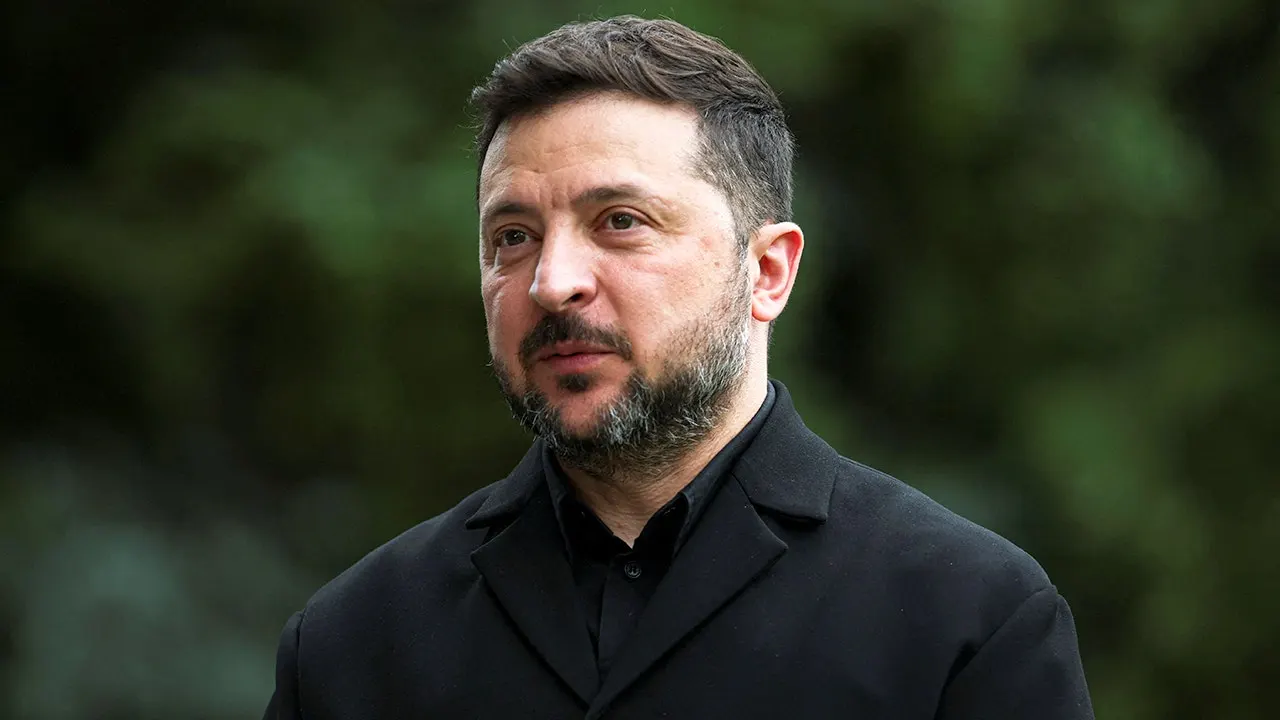
The emotional weight of this home-coming was magnified by the identities of those released, many of whom were legendary veterans of the war’s most harrowing chapters. Ukrainian President Volodymyr Zelenskyy took to social media to share the bittersweet news, highlighting that many of the 160 returned Ukrainian servicemembers had been held in grueling Russian captivity since the dark, early days of 2022. Among the freed were the dogged defenders of Mariupol and the subterranean steelworks of Azovstal—individuals who kept the world spellbound during their months of desperate resistance against overwhelming Russian encirclement—as well as border guards and soldiers who held the line across critical sectors like Donetsk, Luhansk, Kharkiv, Zaporizhzhia, Kyiv, Chernihiv, and Sumy. For these men and women, the return to Ukrainian soil was a sensory overload of tears, embraces, and the overwhelming shock of survival; many wrapper themselves in the yellow-and-blue national flag, weeping as they tasted fresh air free from the heavy, oppressive confines of military prisons. Their families, who had spent over two long years staring at silent telephones, clinging to old photographs, and riding a devastating roller coaster of hope and despair, were finally granted the peace of knowing their loved ones had survived the crucible of captivity.
The logistics of these humanitarian breakthroughs, however, are deeply tied to the perilous realities of the front lines, highlighting a unique and morally complex dimension of modern battlefield strategy. In his address of gratitude, President Zelenskyy made a point to offer special commendations to the frontline units who actively work to capture enemy combatants, a process refered to in military circles as replenishing the “exchange fund.” This terminology, though clinical on its face, represents a highly calculated, life-saving effort by Ukrainian soldiers who must risk their own lives under active fire to apprehend, disarm, and process Russian troops rather than neutralizing them. This demand for restraint in the heat of combat requires an extraordinary level of discipline and psychological endurance, as soldiers on the zero-line must view their enemies not merely as targets, but as valuable human currency that can eventually be traded to rescue their own captured comrades from distant Siberian prisons. It weaves a bizarre, invisible web of codependency across the trenches, where the survival and humane treatment of a young, terrified Russian conscript in Ukrainian custody directly determines whether a battle-weary defender of Mariupol will ever get to see their children again.
Ultimately, this dual narrative of high-tech aerial devastation and incredibly tender human reunions encapsulates the profound paradox of the modern war in Ukraine. As President Zelenskyy solemnly noted, the work of recovery is far from complete, with government agencies continuously checking lists and investigating the fates of thousands of military personnel and innocent civilians who remain lost inside the Russian penal network. For every family that celebrated a tearful reunion this week, many thousands more remain suspended in an agonizing state of perpetual limbo, scanning the news for any shred of hope that their father, daughter, or son might be included in the next exchange bus. By juxtaposing the cold, mechanical horror of 660-drone swarms blackening the night sky with the simple, raw, and deeply humanizing image of a returned soldier weeping onto the shoulder of a volunteer, we are reminded of the true stakes of this conflict. Technology may continuously reshape the lethal landscape of modern warfare, but it can never extinguish the quiet, stubborn resilience of humanity, nor the enduring power of love, connection, and the relentless quest of a nation determined to bring every single one of its children home.