

The Unexpected Diplomatic Dance: Trump’s Praise for Pakistan’s Field Marshal
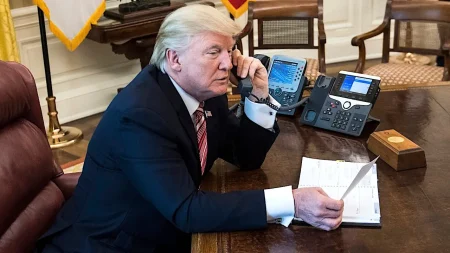
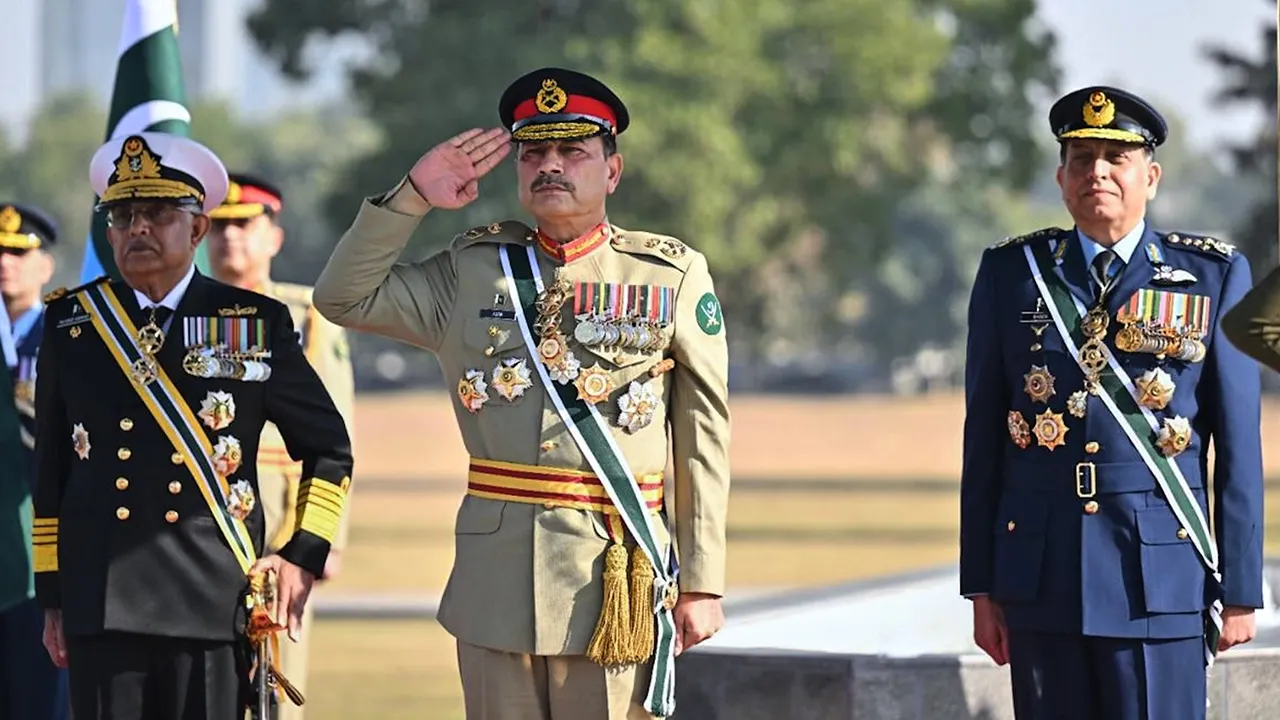
In the ever-turbulent world of international politics, one figure has quietly emerged as a bridge between seemingly incompatible worlds: Pakistan’s Field Marshal Asim Munir. It all started with a simple social media shoutout from former President Donald Trump, who took to his Truth Social platform to heap praise on Munir and Pakistani Prime Minister Shehbaz Sharif. Trump called them “fantastic people,” and his words weren’t just casual compliments—they sparked a warm response from Sharif, who thanked him on behalf of all Pakistanis. This public exchange felt like a surprising thaw in icy relations, but for Munir, it was the culmination of years of behind-the-scenes maneuvering. As Pakistan’s chief of defense forces and army chief, Munir isn’t your typical diplomat; he’s a stern military strategist with roots in intelligence work, and his rise to power has been anything but ordinary. Growing up in a military family, he excelled academically—earning multiple degrees from prestigious institutions like Pakistan’s National Defence University and even studying in Japan and Malaysia. But what really set him apart was his devotion to Islamic studies; as a Hafiz-e-Quran, someone who has memorized the entire holy text by heart, he carries a sense of moral authority. Yet, beneath the disciplined exterior lies a man shaped by real-world crises. His career trajectory, from leading military intelligence to commanding the army, reflects a life of calculated risks and unyielding focus on protecting Pakistan’s interests. Trump’s admiration, calling him his “favorite field marshal,” didn’t come from nowhere—it stemmed from Munir’s key role in defusing a 2025 India-Pakistan standoff, earning him accolades and even a Nobel Peace Prize nomination. For many Pakistanis, this praise feels like validation after years of skepticism over military involvement in politics. Imagine a leader who prioritizes national security above all, who reads voraciously and travels widely, yet remains understated, far from the flashy politicians we’re used to. Munir’s appeal to Trump is clear: he’s the decisive, no-nonsense figure in a region full of chaos, someone who gets things done without the usual posturing. This episode not only boosted Munir’s profile but also highlighted how personal connections can reshape global alliances, turning potential adversaries into tentative partners. As the world watches, it’s easy to wonder if this is just a temporary alliance or the start of something more profound.
A Voyage into the Heart of Rival Territories: Munir’s Bold Iran Trip
Just as tensions bubbled over in the Middle East, with U.S.-Iran relations at a boiling point, Field Marshal Asim Munir decided to make history. He became the first foreign military leader to visit Iran since the latest flare-up, arriving in Tehran decked out in full uniform—a symbolic gesture that spoke volumes. Iranian officials, including Foreign Minister Abbas Araghchi, rolled out the red carpet, welcoming him with open arms and high-level meetings. It was a stark contrast to the usual standoffishness; Munir didn’t come as an outsider but as a respected insider. Insider sources, like retired Pakistani General Ahmed Saeed, revealed that Munir had been acting as an unofficial liaison between Washington and Tehran for months. Think of him as the quiet fixer in a high-stakes movie, shuttling messages to ease a conflict involving America’s naval blockade, Iran’s nuclear ambitions, and broader clashes. Saeed, who knows Munir personally from old army days, described him as a relentless networker who started cultivating ties with Iran back in 2016-2017, when he headed military intelligence. Picture a young officer, fresh from operational assignments, building relationships not just with Iran’s elite military but also with shadowy figures in the Islamic Revolutionary Guard Corps (IRGC) and regular armed forces. He had personal connections to legendary commanders like Qassem Soleimani, assassinated by the U.S. in 2020, and Hossein Salami, killed in an Israeli strike in 2025. These weren’t fleeting encounters; Munir developed deep, ongoing dialogues across Iran’s leadership spectrum—from the IRGC to diplomats and political elites. Saeed’s anecdote paints Munir as a man who thrives on such interactions, using his intelligence background to forge bonds that others might avoid. This visit underscored his unique position: trusted by both Trump’s administration and Iran’s power structure. In a world where trust is scarce, Munir’s ability to navigate these contradictions makes him indispensable. Critics might see it as risky diplomacy, but for those who’ve seen the region bleed, it represents a glimmer of hope—that one man’s patience and perceptiveness could prevent broader disaster. Humanizing Munir isn’t easy; he’s no charming talk-show guest, but a strategist who believes in quiet strength, much like a chess player anticipating moves far ahead.
The Curious Crossroads: Building Bonds with Iran and Trump
How does one man end up cozy with both Donald Trump and Iran’s top commanders? It feels like a plot twist in an espionage thriller, but for Field Marshal Asim Munir, it’s the result of deliberate, long-term relationship-building. Experts like Saeed explain it began during Munir’s stint leading Pakistan’s military intelligence in the mid-2010s. He wasn’t just monitoring borders; he was engaging directly with Iranian officials, sharing intel and fostering mutual respect. This wasn’t about shared ideologies—Munir’s worldview, as Pakistani analyst Raza Rumi puts it, is transactional and state-focused, prioritizing Pakistan’s stability over dogma. He interacted with Iran’s intelligence community, the IRGC’s powerful Quds Force, and even military elites, creating a web of connections that paid off years later. His role in the 2025 India-Pakistan crisis further burnished his image, not just in Pakistan but globally. Trump, always drawn to bold leaders who cut through bureaucracy, took notice. Their rapport evolved through personal calls and meetings, with Trump heaping effusive praise: “exceptional man,” “great fighter.” Munir’s appeal lies in his discipline—raised in army traditions, he’s an avid reader and traveler, with a sportsman’s spirit that speaks to Trump’s energetic style. Unlike flamboyant politicians, Munir’s understated authority resonates as authentic. Think of him as a patriarch figure, enforcing hierarchy and order, much like how Trump admires strongmen. Saeed recalls Munir as someone who persistently nurtures ties, never giving up. This duality—arming himself with Iranian allies while whispering in Trump’s ear—raises eyebrows, but it also humanizes global politics as less about black-and-white enemies and more about pragmatic friendships. Munir’s journey mirrors that of many leaders: starting from humble ashes, rising through merit, and now wielding influence that could alter tides. For Pakistanis, it evokes pride in a son of their soil navigating world powers, but also caution—power like this can tip balances, for better or worse. Stories from his life, like his time at Japan’s Fuji School or earning the Sword of Honour as a cadet, reveal a man molded by diverse experiences, always aiming for strategic clarity.
Warnings and Whispers: Skepticism Over Munir’s Sell
Not everyone is cheering Field Marshal Asim Munir’s double-edged diplomacy. Critics, including Bill Roggio from the Foundation for Defense of Democracies, sound alarm bells, reminding us that Pakistan has a history of playing both sides. Roggio points out Pakistan’s duplicitous role in Afghanistan, where they backed the Taliban while feigning alliance with the U.S.—a “perfidious ally,” he calls them. Munir’s coziness with the IRGC, Iran’s elite guard, should be a “massive red flag” for Trump, he warns. It’s a sobering reminder that trust in geopolitics can be as fleeting as a mirage. Pakistani analysts like Raza Rumi acknowledge Munir’s appeal to Trump: his preference for decisive, hierarchy-loving leaders who deliver results. Munir embodies that—discipline, order, moral fortitude, and a transactional lens on power. His speeches, like one at the 2024 Margalla Dialogue lamenting the erosion of moral values from unregulated free speech, reveal a conservative streak, emphasizing centralized control. Yet, this strength comes with shadows. After becoming army chief in 2022, Munir dove into domestic affairs, overseeing what The Guardian describes as crackdowns on opposition and a surge in military dominance. Key negotiations with the U.S. and Iran reportedly happen not in Islamabad’s civilian halls but from Rawalpindi’s army base—a symbol of the military overshadowing democracy. For Pakistanis, it’s a bittersweet reality: Munir’s rise boosts national prestige but erodes civilian sway, echoing past eras when generals held the reins. Imagine the frustration of everyday citizens watching elected leaders sidelined by the army’s growing empire. Roggio’s cautionary tale humanizes the risks—international plots can backfire, exposing allies as adversaries. Munir, with his relentless drive, likely sees it as necessary for stability, but as negotiations drag on, one wonders if his transactional approach will forge peace or fuel more division. In a region scarred by betrayal, this duality feels all too real.
The Man Behind the Marshal: Munir’s Personality and Global Charm
Peeling back the layers of Field Marshal Asim Munir reveals a man whose life reads like an inspirational biography, if biographies included geopolitical chess. Born into a society where honor and duty reign supreme, Munir’s journey began with military excellence, capping senior roles in intelligence. His education abroad—in Japan, Malaysia, and at home—broadened his horizons, making him a globetrotter who values cultural exchanges. Unlike his flamboyant peers, Munir’s charm is subtle, rooted in discipline rather than charisma. Pakistani sources paint him as a quiet powerhouse: an avid reader devouring books on strategy, a traveler seeking wisdom, and a sportsman channeling competitive spirit. Memorizing the Quran as a Hafiz underscores his spiritual grounding, a rare trait in high-powered circles that lends extra gravitas. His elevation to field marshal in 2025, the first since 1969, wasn’t just a title; it was a testament to his pivotal de-escalation of the India-Pakistan crisis. Rumi describes him as “institution-first,” prioritizing order and hierarchy—qualities that click with Trump’s authoritarian leanings. Munir avoids media hype, emerging only for speeches that blend blunt truths with moral calls to arms. In our human imagination, he’s the wise uncle: stern yet caring, pushing for unity amid chaos. Trump’s repeated endorsements—”my favorite field marshal”—feel personal, born from shared philosophies on strength. Yet, Munir stays tethered to Pakistan, warning societies against moral decay while juggling superpowers. His persistence, as Saeed notes, makes him unwavering. This humanizes him beyond the uniform: a family man dedicated to nation, faith, and order. But in a world of ego clashes, his understated style might be his greatest weapon, bridging divides where others ignite them.
Looking Ahead: Munir’s Role in Shaping Pakistan and Regional Futures
As U.S.-Iran talks teeter on the brink, Field Marshal Asim Munir stands at a crossroads that could redefine the Middle East and beyond. With his feet in both camps—trusted by Trump and Iran’s elite—much hinges on his back-channel wizardry. Saeed’s conviction that Munir won’t relent hints at a marathon dreamer, one who’s invested decades in trust-building. Yet, for Pakistan, this influence comes with a price: the military’s domination of foreign policy, sidelining civilian voices. Reports of negotiations shifting to military headquarters symbolize this shift, raising questions about democracy’s erosion. Imagine the aspirations of ordinary Pakistanis hoping for transparency, only to see power concentrated in one man’s hands. Munir’s transactional prism might secure short-term gains, like negotiating ceasefire agreements or ending blockades, but critics fear long-term consequences—strained alliances or unintended conflicts. Trump’s potential ceasefire proposal, contingent on Iran opening the Strait of Hormuz, showcases Munir’s clutch role as intermediary. Humanizing this, it’s a story of one human’s ambition shaping history: Munir, with his Quranic wisdom and army grit, navigating a maze of egos. Will he emerge as a peacemaker or a polarizing figure? Rumi’s insights suggest his disciplined approach could foster stability, but Roggio’s warnings echo betrayal’s sting. For the world, Munir’s tale reminds us that diplomacy thrives on relationships, not just rhetoric. As talks persist, Pakistan eyes his leadership as a beacon, but with calls for Balance growing, the path ahead is uncertain. Ultimately, Munir’s legacy might honor his relentless pursuit of order, turning regional rivals into reluctant partners. In the grand theater of global affairs, he’s the understated architect, proving that quiet resolve can move mountains—or perhaps empires. This narrative of bridges and boundaries urges us to reflect: in a fractured world, can one man’s human touch rekindle hope? Only time, and Munir’s next move, will tell.