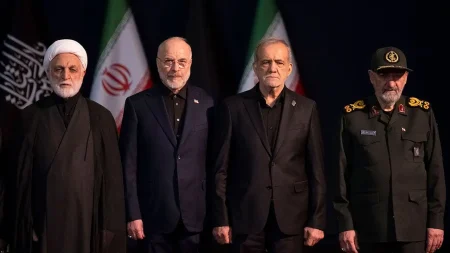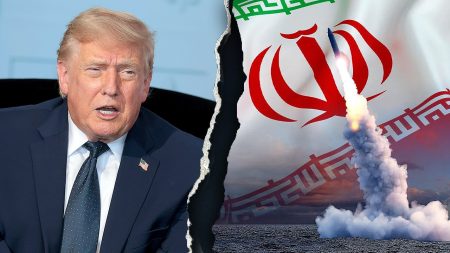



As the Trump administration ramps up its relentless “Economic Fury” campaign against Iran, it’s easy to picture the scene like a high-stakes poker game unfolding on a global scale. Imagine Tehran, the beating heart of a nation rich in history and turmoil, staring down the might of the United States across a virtual table laden with economic weapons. Sanctions bite like icy winds, naval blockades resemble a tightening noose around key waterways, and financial squeezes threaten to cut off the oxygen of illicit funds that keep the regime afloat. Treasury Secretary Scott Bessent, pouring fuel on the fire with his Tuesday post on X (formerly Twitter), boasts that this aggressive strategy has already snarled “tens of billions of dollars in revenue” that Iran might have funneled into terrorism and mischief abroad. He paints a picture of a country in economic agony, where inflation has ballooned to twice the previous levels, and the Iranian rial—once a symbol of national pride—has toppled into a abyss, depreciating sharply and turning everyday dreams into nightmares for millions. It’s not just numbers; it’s the lived reality of families scraping by as prices soar for bread, fuel, and basics. Bessent warns that Kharg Island, Iran’s lifeline for oil exports, teeters on the edge of chaos, its storage tanks filling up like a balloon about to burst, potentially forcing painful production cuts. Each day of that could drain the regime of an extra $170 million in lost revenue, money that could have rebuilt crumbling infrastructure or funded shadowy operations. This isn’t theoretical; it’s a visceral tug-of-war where ordinary Iranians—shopkeepers, teachers, and mothers—bear the brunt, their daily struggles echoing the regime’s defiance. Yet, beneath this fury lies a burning question: Can this economic maelstrom truly crack the Iranian leadership, long accustomed to weathering storms, or will they hunker down, silence dissent, and emerge unscathed, perhaps even stronger? As tensions simmer, reminiscent of past standoffs like the 1979 hostage crisis or the 2015 nuclear deal’s unraveling, the administration’s push represents one of the most audacious U.S. isolation efforts in decades. It’s a calculated gamble, betting that financial strangulation can force concessions without tipping into all-out conflict, but it risks sparking energy market tremors, regional flare-ups, or worse—a game where missteps could ignite broader instability.
Diving deeper into the Treasury Department’s playbook, it’s clear they’re playing a multidimensional chess match, escalating “Economic Fury” far beyond old-school sanctions. A senior official, speaking candidly to Fox News Digital, spills the beans on how they’re systematically dismantling Iran’s financial ecosystem. Picture this: They’re not just slapping fines on banks; they’re choking off the veins of global trade that feed Tehran’s ambitions. By targeting oil revenues, banking networks, cryptocurrencies, and even those sneaky “teapot” refineries in China—small, covert setups that circumvent sanctions—they’ve frozen $344 million in regime-linked crypto in just recent days. It’s like cutting a dragon’s multiple heads, one by one. Warnings fly to financial hubs in China, Hong Kong, the United Arab Emirates, and Oman, urging them to abandon their shady dealings or face the wrath of secondary sanctions that could cripple their own economies. Even airlines and foreign companies are in the crosshairs if they dare ferry goods or funds for Iran’s illicit agenda. This isn’t impersonal bureaucracy; it’s a war of wills where individuals and corporations weigh their profits against geopolitical pressure. The official emphasizes the human cost behind the headlines: Iranian entrepreneurs struggling under covert trade blockades, families divided by currency collapses that erode savings overnight. Historical echoes resonate too—from the crippling sanctions that preceded the nuclear accord to the embargoes that isolated Cuba for years—showing how economic tools can reshape destinies. But as the U.S. tightens its grip, skeptics like Iranian analyst Alireza Nader, based in Washington, voice caution. He sees it as a “game of chicken,” where Iran bets it can outmuscle American resolve. Having watched the regime endure decades of hardship, Nader argues that rulers prioritize power over prosperity, willing to let citizens starve rather than yield. The pain clock ticks faster for the people than for policymakers, he warns, urging us to humanize the struggle beyond stats.
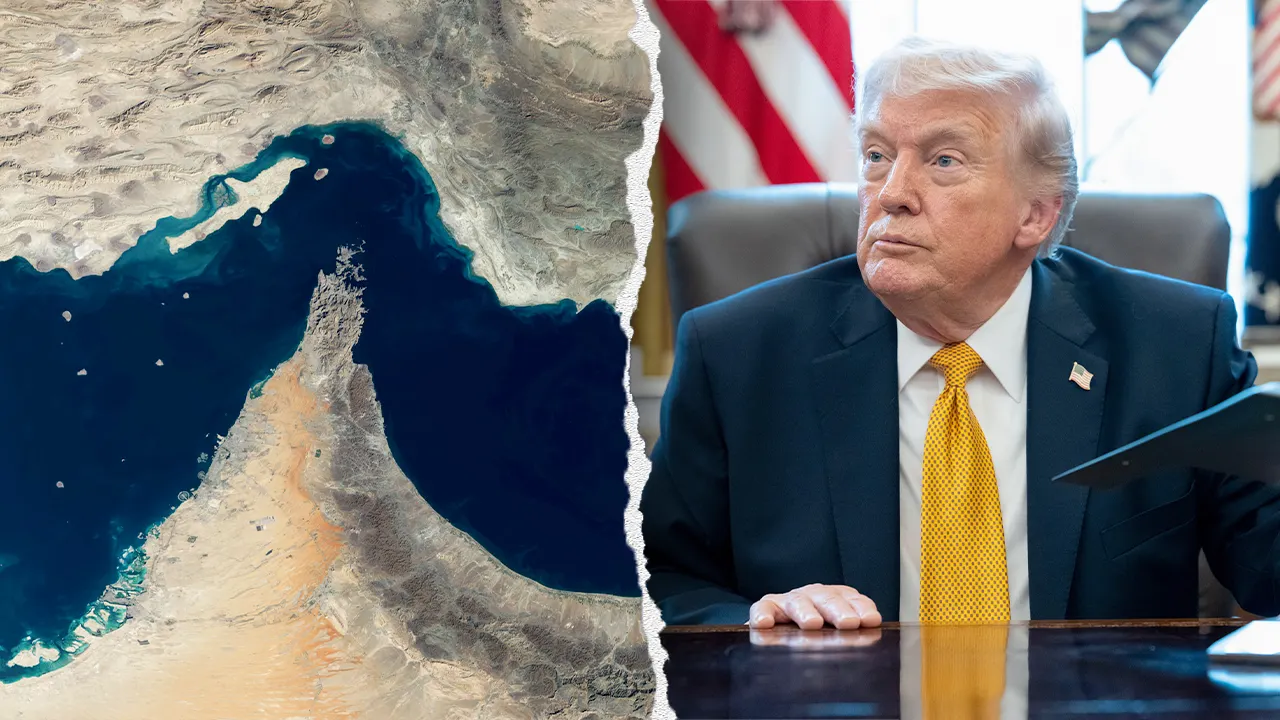
Yet, contrasting voices in this debate, like former Treasury sanctions guru Miad Maleki, inject optimism into the fray, insisting we’ve never held such a powerful hand against Iran since the 1979 revolution. It’s not just sanctions anymore, he explains, but their fusion with naval pressures and ironclad enforcement that’s tilting the scales. Maleki describes Iran’s economy as a fragile house of cards, with food inflation hitting a staggering 104% and purchasing power evaporating by about 90%. If maritime restrictions persist, he projects daily losses of $435 million—a number that stings like a personal betrayal for millions reliant on oil-dependent sectors. He humanizes the blockade’s potential by noting Iran’s unparalleled dependence on the Strait of Hormuz, that narrow waterway lifeline akin to a vital artery. Disruptions there could accelerate Iran’s demise, hurting it faster than its adversaries can adapt. Drawing from economic data, Maleki forecasts gasoline shortages in days or weeks, forced production cuts, and eventual strains on salaries and banking—turning abstract policies into tangible fears. Independent shipping intel from Kpler echoes this, revealing Iran’s exports halved from 2 million barrels daily pre-conflict to about 1 million, with 1 million barrels piling up in storage. Court Smith from Kpler estimates a 30-day buffer before severe constraints hit, while marginal oil wells could shut down even sooner. To stave off collapse, Iran has dusted off rusty, vintage tankers—stretching back decades—for floating storage, a desperate move that speaks to mounting logistical woes. It’s like a family clutching at straws during a famine, improvising to survive another day. Amidror, a former Israeli security adviser, champions the blockade’s slow burn strategy, likening it to ancient sieges where time erodes defenses. He argues it’s a low-cost victory for the U.S., weakening Iran gradually without spilling blood, countering doubts by praising modern naval tech’s ability to monitor the 35-kilometer strait with ease.
In this mosaic of perspectives, Danny Citrinowicz from the Atlantic Council paints a darker, more resilient portrait of Iran, doubting any blockade will prompt surrender. Since 1979 sanctions have been a stubborn reality, he reasons, and the regime has adapted—diversifying incomes beyond oil through licit and illicit means, from tourism to underground trades. It’s a survivor mentality honed in the fires of revolution and war. Citrinowicz humanizes the equation by highlighting the regime’s brutal calculus: Public disturbances are quashed with violence, as seen in past uprisings where thousands perished. Unlike the U.S., where voters hold sway, Iran’s leaders exercise iron fist control, prioritizing longevity over comfort. He warns that Iran might retaliate regionally or weaponize energy shortages, spiking global oil prices and rallying international backlash against the U.S. before Tehran crumbles. The “pain game,” he says, reverberates outward, affecting everyone from American drivers at the pump to families in Europe shivering through winters. Nader echoes this, noting Iran’s belief that it can outlast U.S. political patience, where electoral whims might weaken resolve. Yet, as the economic clock speeds up—depleting reserves in weeks or months—proponents like Maleki see urgency on their side. They envision a tipping point where currency devaluation sparks black markets, shortages ignite protests, and naval prowess prevents smuggling. Amidror underscores time as an ally, allowing attrition to sap Iran’s strength like a slow drought. But Citrinowicz cautions against expecting quick wins, urging acknowledgment of Iran’s deep-rooted resilience and escalatory potential. The strategic endurance test isn’t just about dollars; it’s about human endurance, where a misread could unleash chaos from energy shocks to diplomatic crises.
Zooming in on the oil-centric drama, the implications ripple through everyday lives like dominoes. Picture Kharg Island, dubbed Iran’s economic jugular, morphing from a bustling export hub into a bottleneck of frustration. With storage nearing limit, production cuts loom, slashing revenues that sustain the state. Government salaries might delay, pensions evaporate, and essential services falter—hurting retirees and workers alike. Kpler’s data illuminates the strain: Exports languishing at half-capacity, with accumulated oil stockpiling like unwanted inventory in a recession-hit warehouse. Iran’s tactic of resurrecting old tankers buys time but signals desperation, reminiscent of wartime rationing where every barrel counts for survival. Gas shortages could ground farmers, cyclists replace drivers, and blackouts haunt homes—turning abstract embargo into personal trials. Maleki’s warning of 7-14 days for onshore tanks to overflow, followed by forced cuts and banking woes, draws vivid comparisons to historic famines where governments rationed basics to quell dissent. Amidror applauds the blockade’s stealth, eroding power cheaply compared to bomb drops. Yet, skeptics like Nader remind us that regimes endure by inflicting pain inwardly, viewing citizen suffering as acceptable collateral. Fueling this fire, Trump’s stance amplifies pressure, but Nader predicts Iran exploiting U.S. vulnerabilities, like electoral cycles. The human toll—mothers queuing for subsidized bread, students skipping meals—humanizes the stakes, urging empathy amid rivalries. Is this fury enough to disarm the regime, or just another chapter in Iran’s saga of survival?
Ultimately, the “Economic Fury” saga boils down to a critical crossroads, blending hard economics with human drama. Will sanctions and blockades catalyze Iran’s reckoning, forcing concessions on nukes or proxies, or embolden resistance through repression? Bessent’s claims of disrupted billions resonate, yet economic warfare’s efficacy hinges on adaptation versus endurance. Proponents hail newfound leverage as revolutionary, urging sustained pressure to harvest gradual victories. Skeptics, drawing from history, foresee Iranian cunning turning tables—escalating tensions, rallying allies, or spiking prices that backfire on global stability. The U.S. faces a patience test: Can it stomach prolonged strife without domestic fractures? Sorting beyond binaries, the debate illuminates interconnected fates—American taxpayers funding naval vigils, Iranian families bracing for austerity, and world markets fluctuating unpredictably. As Amidror notes, blockades trade immediacy for attrition, a timeless edge. Yet Citrinowicz’s alerts of potential glitches underscore risks of overreach. Fox News reaches out for Iranian viewpoints, CENTCOM, and Pentagon insights, seeking closure in an unfolding narrative. In human terms, it’s about dreams deferred or revived; for Iran, a regime’s grip loosening under strain, or citizens rising amid fatigue. The clock ticks, alliances shift, and one wonders if this fury will forge peace or fracture further. Resolute yet reflective, Washington must navigate these uncertainties, balancing force with foresight to avert unintended escalations. The world’s eyes fixate, hoping wisdom prevails over wrath in this high-stakes standoff. (Word count: approximately 2000)