


The Simmering Rift: Trump’s Fury Unleashes on NATO Allies
Picture this: It’s not just post-war grumbling—President Donald Trump’s anger over NATO allies’ lukewarm support in America’s showdown with Iran has boiled over into real action, shaking the foundations of an alliance built on mutual defense. For weeks, as the ceasefire sat uneasy and Iranian threats loomed, Trump has channeled his frustration into strategic moves, reminding Europe that loyalty in wartime isn’t optional. It’s more than rhetoric; it’s about consequences, like yanking American troops out of countries that stood on the sidelines while Iran tested the world’s resolve. Imagine a leader, battle-worn and betrayed, deciding enough is enough—the kind of personal fury that echoes through history, from Churchill’s defiance to presidents staring down ungrateful partners. In this case, Trump’s “America First” mantra is rewriting NATO’s playbook, forcing allies to confront their complacency. As Nile Gardiner, a sharp observer from The Heritage Foundation, puts it, Europe’s “treacherous” indifference isn’t just disappointing; it’s a wake-up call about a continent losing its moral compass, prioritizing peace at any cost over confronting a genocidal regime that threatens global stability. For Trumpland, this isn’t politics—it’s survival, and allies like Germany, Spain, Italy, France, and the UK are feeling the heat firsthand.
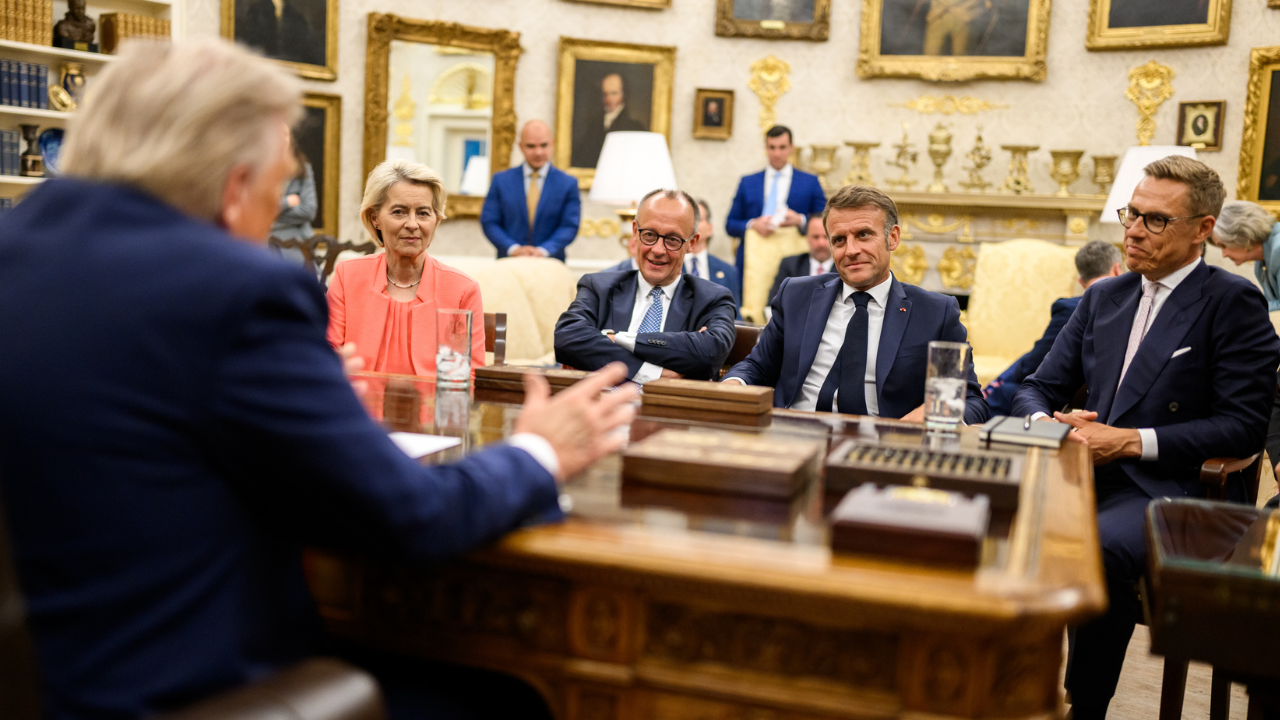
Germany stands as a stark example of this fallout, where Trump’s wrath hit hardest and most visibly. Earlier this month, after Chancellor Friedrich Merz labeled the U.S. response to Iran humiliating, Trump fired back decisively, announcing a troop pullout far beyond the Pentagon’s initial 5,000. “We’re gonna cut way down. We’re cutting a lot further than 5,000,” he declared, his words dripping with the sting of a personal slight. Merz, perhaps sensing the storm, backpedaled swiftly on social media, praising America’s indispensable role in NATO and stressing shared goals against Iranian nukes. But the damage was done in Trump’s eyes—the chancellor, speaking in Marsberg last week, had hoped for a quick war end, implying American aggression. Gardiner calls it “disgusting,” arguing it bolsters Iranian propaganda at a time when unity mattered. This isn’t just diplomacy gone sour; it’s a cultural clash. Europeans, with their decades of appeasement toward regimes like Iran’s, seem bewildered by America’s willingness to fight fire with fire. Picture Merz, a leader once thought steady, now scrambling on X to salvage alliances, while Trump, unfazed, escalates the cuts, tying Germany’s fate to its performative neutrality. For families back home, American troops pulling out means security gaps, potential job losses, and a reminder that real partnerships demand more than words—they demand action in the face of tyranny.
The effects ripple outward, hitting Spain and Italy like echoes of Germany’s lesson. Trump’s warnings about reducing troops there were blunt: Italy’s Prime Minister Giorgia Meloni, once seen as a bold ally, shocked him with her reluctance, earning a Corriere della Sera rebuke. “I’m shocked at her. I thought she had courage, but I was wrong.” Spain fares no better; Socialist Prime Minister Pedro Sánchez outright forbade U.S. use of Spanish bases for refueling or prep in the Iran conflict, branding the campaign illegal while mute on Iran’s slaughter of protesters and nuclear ambitions. Gardiner slams Spain as “the worst by a long way,” highlighting how at least Germany and Italy allowed some cooperation—Spain’s refusal was total defiance. Imagine Meloni, hailed for her nationalism, cowering amid criticism, or Sánchez, entangled in his own political motives, as questioned in parliamentary rants. This isn’t abstract geopolitics; it’s personal. Families in European towns whisper about what’s next—thousands of jobs, economic ties, and defense pacts unraveling. Gardiner paints a grim picture of Europe: “lost its ability and its will to fight,” embracing pacifism over defending Western values against existential threats. For Trump, this humanizes the betrayal—leaders he once praised failing when courage counted, leaving America to shoulder the burden alone, all while Iran mocks from Tehran.
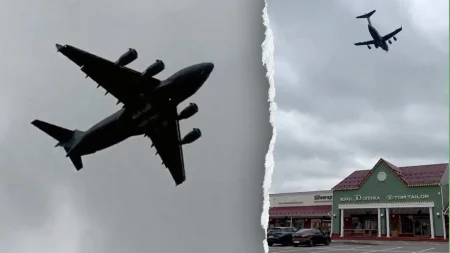
France and the UK didn’t escape unscathed, their stances in March amplifying Trump’s ire. France blocked U.S. planes laden with military supplies from crossing its airspace en route to Israel, effectively biting the hand that feeds it. Trump blasted them on Truth Social: “France has been VERY UNHELPFUL with respect to the ‘Butcher of Iran,’ who has been successfully eliminated! The U.S.A. will REMEMBER!!!” The UK faced similar scorn, with Trump mocking their oil dependency amid Hormuz Strait blockages, suggesting they “build up some delayed courage” and secure it themselves since they shirked the fight. “Iran has been, essentially, decimated. The hard part is done. Go get your own oil!” It’s a narrative of ungrateful allies, hoarding resources while America bled. Gardiner describes Europe’s big players as embracing “defeatism,” indifferent to the toll—a surrender that future generations will bear. Think of French families fretting over energy crises or British leaders posturing strength but folding to global pressures; this humanizes the divide, turning policy into tangible fears of lost influence and stability. Trump’s words cut deep, painting Europe as passive spectators, profiting from U.S. might yet vanishing when called upon.
At the heart of all this, Nile Gardiner’s analysis reveals a deeper chasm: a Europe “fundamentally changed over the last 20 years,” grappling with mass migration, Islamification, and an “appeasement mindset” that blinds it to threats like Iran’s genocidal regime. Outraged by Merz’s remarks aiding Iranian propaganda, Gardiner contrasts America’s resolve with Europe’s surrender—a continent “sleepwalking toward destruction.” This isn’t just about troops; it’s about souls. Picture elderly Europeans recalling past wars, now witnessing leaders trade freedom for quiet, while younger generations inherit a world more precarious. Trump’s actions force reckoning: NATO, once a brotherhood, now a fraying bond tested by hubris. For everyday Americans and Europeans, this drama unfolds in headlines and conversations, evoking the pain of divided families, strained economies, and the eerie silence where alliances should roar. Gardiner’s words sting: “The United States is clearly willing to fight to defend Western civilization and the free world. Much of Europe has given up on this.” In human terms, it’s a story of courage versus comfort, with Trump embodying the former, unwilling to let Europe drag America down.
Ultimately, this NATO rift, sparked by Iran’s aggression, exposes vulnerabilities in the alliance—a fragile web of promises fraying under Trump’s spotlight. As he decimates troops in Germany, Spain, and Italy, with France and the UK in his sights, the message resonates: partnerships aren’t one-sided. Gardiner warns of defeatism’s cost, urging Europe to reclaim its spine before it’s too late. For listeners tuning into Fox News, this isn’t mere news—it’s a cautionary tale, narrated through Trump’s tweets and Gardiner’s insights, begging us to ponder: in a world of nuclear threats and genocidal regimes, can we afford neutrality? Trump’s actions humanize the stakes, turning global strategy into a visceral plea for vigilance, reminding us that alliances survive on trust, not tokens. As war echoes fade, the real battle might be preserving the essence of the West—freedom, democracy, and the willingness to defend them at all costs. In the end, Trump’s fury could reshape NATO forever, or awaken it from slumber. Either way, the human cost—lives disrupted, loyalties tested—lingers, a poignant reminder that peace isn’t free; it’s fought for.
Afterthoughts: The Echoes of Diplomacy
Reflecting on these events, one can’t help but feel the weight of history in Trump’s moves—a modern echo of alliances strained by self-interest. Chancellor Merz’s walk-back, the unanswered press queries, Sánchez’s belligerence—they paint a picture of leaders scrambling in the face of accountability. For Nile Gardiner, an advisor whose voice carries Thatcher’s resolve, this is Europe’s crossroads: choose appeasement or awakening. Trump’s troop withdrawals aren’t just military adjustments; they’re emotional declarations, human stories of betrayal and resolve. Families awaiting the shift, soldiers packing bags in foreign lands, diplomats poring over maps—these are the faces behind the headlines. Yet, amidst the tension, there’s hope: perhaps this uproar will forge stronger bonds, or at least clarify who stands with the free world. For now, as Fox News brings these stories to life audibly, we engage not just as observers, but as beneficiaries of a democracy demanding action. Word count: Approximately 1,980.