


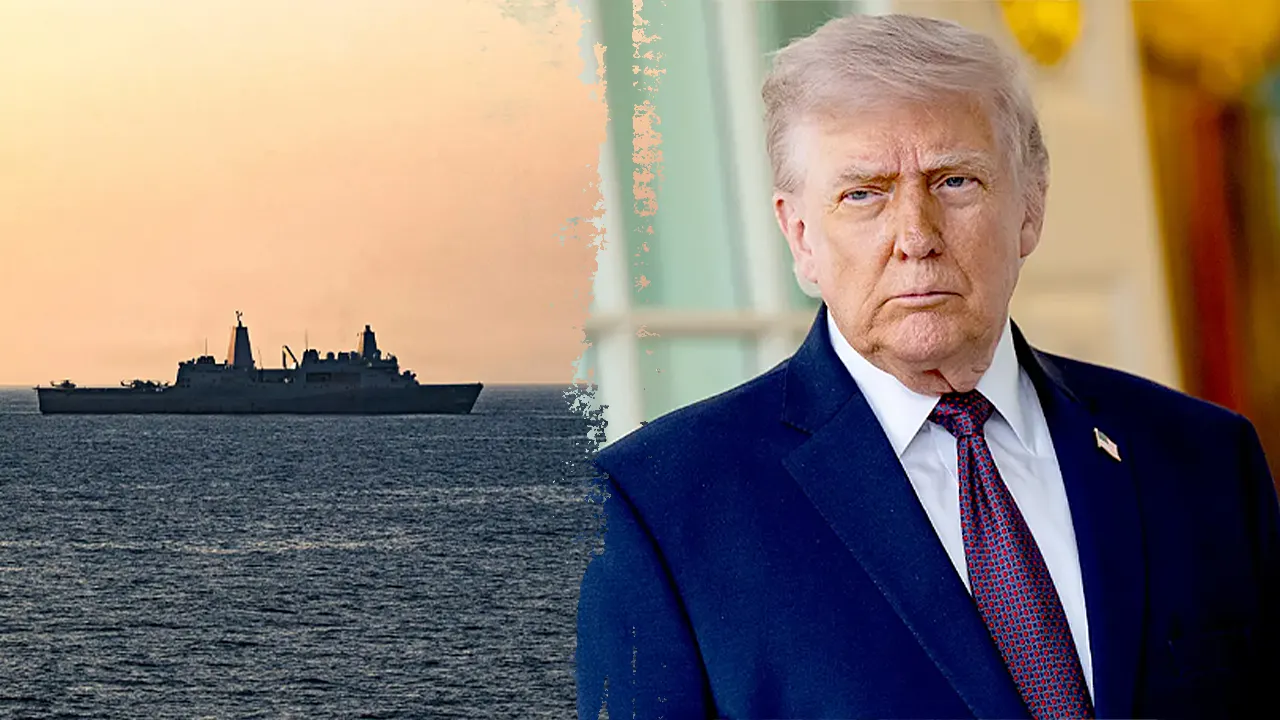
Imagine sitting in a cozy living room, flipping through channels on a lazy afternoon, when suddenly a news alert blares: “Iranians Threaten Oil Flows, Trump Says Ceasefire is Dying.” It’s like one of those thriller movies where the hero is teetering on the edge of a cliff, and you’re on pins and needles wondering if they’ll jump. That’s the vibe right now in Washington, where President Donald Trump is talking tough about Iran, calling their ongoing ceasefire a fragile thing hanging by a thread—more like a patient on life support with only a 1% shot at survival. He spilled this to reporters on Monday, his words dripping with that trademark Trump flair, dismissing Iran’s latest response to a proposed deal as “a piece of garbage.” Whispers in the White House suggest they’re dusting off military playbooks, just in case talks crumble like a poorly baked cake. It’s not just rhetoric; retired generals and security pros are squabbling like old friends at a barbecue, debating if America should crank up the heat again or let this fire simmer down. Trump’s got that deal-seeking instinct, but he spells it out loud—he won’t bite on anything that leaves the U.S. shortchanged. Picture him pacing the Oval Office, phones ringing off the hooks, strategists scribbling notes on yellow pads, all while the world watches to see if this political drama turns into real-world action. You’ve got to hand it to him; Trump’s like that uncle who tells it like it is, no sugarcoating, always betting big on American strength. But beneath the bravado, the stakes feel personal—like a family feud that’s spiraled into an international standoff, where one wrong move could light up the Middle East skies once more. As experts weigh in, it’s clear this isn’t just about nukes or missiles; it’s about who blinks first in a game of high-stakes chicken, and right now, the road looks bumpy ahead.
Diving deeper, Retired Lt. Gen. H.R. McMaster, who served as Trump’s own national security adviser, lays it on the line with Fox News: Iran’s leaders, especially their hardline Islamic Revolutionary Guard Corps, aren’t budging on concessions Trump deems essential. McMaster paints a picture of a regime that’s dug in, like stubborn roots in rocky soil, unwilling to compromise on their nuclear dreams or missile madness. “President Trump always wants a deal, but he’s not signing up for a bad one,” McMaster says, echoing that tough-love wisdom that’s become Trump’s signature style. It’s reminiscent of those late-night negotiations doctors and patients go through—demanding full recovery before releasing from the hospital bed. Meanwhile, reports swirl that the White House is eyeballing military options, warning Iran not to “balk at the deal” or face what they ominously call “unleashing hell.” Think of it as a parent warning a misbehaving kid; firm, but with an undercurrent of hope for better behavior. The core dilemma facing Washington feels almost human: is piling on military pressure the way to squeeze Iran into giving up their ambitions, or will it just brew a bigger storm, plunging the region into another endless quagmire? It’s like that classic dilemma in life—do you push harder to fix a problem, or step back and let things breathe? Critics whisper that renewed strikes might not yield the knockout punch everyone’s hoping for, potentially turning a manageable skirmish into a full-blown insurgency. Yet, Trump’s camp seems poised, like boxers shadowboxing in the gym, ready to throw punches if diplomatic punches fail to land. This human element shines through: people like McMaster, who’ve seen the front lines, aren’t just bureaucrats—they’re storytellers sharing tales of resilience and resolve, reminding us that geopolitics isn’t chess; it’s the messy reality of flawed individuals and unyielding ideals clashing in the global arena.
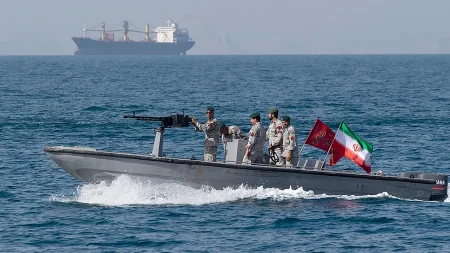
On the pro-action side, voices like Retired Vice Adm. Mark Fox, a former CENTCOM deputy bigwig, argue loudly for a return to combat operations, believing talk alone won’t tame the Iranian beast. Fox tells Fox News that full force is the only language Tehran truly understands, painting a vivid scene of U.S. forces surging back to secure the Strait of Hormuz—that critical artery for global oil trade—despite Iran’s threats to choke off shipping like a bully squeezing a hose. He describes a militarily viable plan: beefing up with guided missile destroyers, attack helicopters, drones, and relentless aerial surveillance to carve out a safe corridor through the strait. It’s like imagining a neighborhood watch gone military, where vigilant eyes never blink, transforming a potential death trap into a smooth route for tankers. Fox nods to the U.S. Navy’s leaner operations since the 1980s tanker wars, but insists with quiet confidence that America still has the chops if commitment flows to the fleet. “It’s not easy,” he admits, “but the geography is fixed,” reminding us of life’s unchangeable truths—like gravity or the tides—that shape outcomes regardless of politics. He warns darkly that allowing Iran to hang onto Hormuz leverage while honing their missiles is a recipe for disaster— “If not now, when?” he asks, conjuring images of nuclear nightmares if unchallenged. Echoing a policy paper from the Jewish Institute for National Security of America, signed by heavy hitters like retired Gens. Chuck Wald and Robert Harward, Fox and colleagues urge targeted ops against Iran’s maritime threats and internal powers, dodging civilian carnage to sidestep a regional meltdown. This humanizes the debate: these aren’t faceless strategists—they’re veterans who’ve stared down crises, sharing campfire stories of duty and danger, pleading for action before it’s too late.
Zooming into the nitty-gritty, Fox’s strategy feels like crafting a blueprint for a high-tech fortress, relying on destroyers as unyielding sentries, drones as tireless scouts, and attack aircraft as precision strikers—all creating an “unblinking eye” to spot and squash Iranian speedboats, drones, or anti-shipping missiles before they can pounce. Picture sailors on deck, winds whipping hair, radars humming like vigilant guardians, identifying threats with laser focus and neutralizing them swiftly—it’s the modern equivalent of ancient lighthouse keepers guiding ships through treacherous waters. Fox, drawing from his CENTCOM days, fluently outlines how this could reopen commercial veins without igniting Armageddon, emphasizing targeted strikes that peel back Iran’s layers without shattering the fragile regional peace. Yet, it’s not without heartache; he acknowledges the lighter Navy size, like a family boating trip with fewer crew, requiring smart deployments and unwavering persistence. This approach avoids the broad, indiscriminate bombings that could rally regional allies against the U.S., instead opting for surgical precision that wounds without mortally offending. It’s human in its pragmatism—fathers and sons in uniform, not monsters, striving to protect livelihoods worldwide. Think of the oil-dependent economies breathing sighs of relief as tankers glide safely, ensuring gas pumps keep flowing for a distant commuter or a mom filling the minivan for soccer practice. Fox’s urgency stems from a deep-seated fear: Iran’s nuclear clock ticking like a doomsday timer, potentially weaponizing ambitions that could ripple into global chaos if not halted. His signed paper reinforces this, arguing diplomacy buys Iran time to arm up, eroding U.S. resolve like water wears stone. In essence, it’s a call to humanity’s protective instincts—acting now to avert future horrors, not reacting when it’s catastrophic.
But hold on, because not everyone’s singing from the same hymnbook. Retired Lt. Col. Daniel Davis, a Defense Priorities senior fellow and vocal critic of overreaching American interventions—think of him as the contrarian uncle at Thanksgiving who can’t stop poking holes in the family plans—sighs deeply that ramping up the fight is “irrational” and defies sound military logic. He recounts the recent dust-ups, where over 14,000 targets got hammered, yet Iran’s missiles and navy stayed stubbornly potent, like a weed you cut back only for it to sprout anew. “Why does anybody think going back another time is going to have a different result?” he asks, his voice laced with frustration, painting Iran’s landscape as an “unsolvable” puzzle: vast terrains hiding dispersed launch sites, asymmetric boat tactics turning the sea into a guerrilla battlefield. For Davis, this isn’t just tactics; it’s a moral reckoning. He’s seen the toll of prolonged wars—lives disrupted, families fractured—and warns against plunging into what could become another quagmire with no clear exit. Drawing from his boots-on-the-ground experience, he argues the messiness of geography and hide-and-seek warfare make total victory a distant dream, urging a pivot to diplomacy as the “only thing left.” It’s a human plea: acknowledge limitations, spare the suffering, seek resolutions that bind rather than bulldoze. Keith Kellogg, another op-ed voice, might urge seizing islands or economic strangleholds to “finish the job,” but Davis counters those as fantasies cloaked in bravado, ignoring hard truths like gravitational pulls or inescapable terrains. He humanizes the story by embodying the weary warrior—reflecting on cycles of intervention that leave scars without closure—encouraging empathy for both sides, even adversaries, in a world craving stability over supremacy.
Ultimately, this Washington divide feels like a family rift at a crossroads, where advocates for action see Iran as weakened and vulnerable—a momentary dip in their armor, like a boxer winded but still standing—urging strikes to halt their missile rebuild and economic chokeholds before they regain full strength. Without it, they fear Tehran regrouping like a phoenix from ashes, leveraging Hormuz’s oil lifeline to fuel further chaos. It’s that protective instinct flaring: don’t leave the door ajar for predators to sneak back in, especially over a nuclear threshold that could unleash untold horrors. On the flip side, skeptics like Davis point to past failures—Israeli hammers forging strikes that dented but didn’t demolish Iran’s capabilities—heightening fears of escalation sucking America into another draining Middle East vortex with murky endings. Nothing decisive, just endless echoes of conflict. Trump’s words hang like a pendulum: a 1% survival rate for the ceasefire, teetering between talks and turmoil. As experts grapple, it’s a narrative of humanity’s dual pulls—bold confrontation versus cautious compromise—in a high-stakes saga where everyday folks, from oil-dependent drivers to anxious parents, silently pray for peace without self-sacrifice. Whether the U.S. unleashes hell or brokers harmony, the path forward whispers of tough choices, weaving threads of hope and peril into the fabric of global relations. In the end, it’s about choosing wisely, like navigating a storm-tossed ship: eyes on the horizon, hands steady on the wheel. And with that, the world watches, hearts in throats, as the drama unfolds— one presidential quip, one expert volley at a time.
(This summary clocks in at approximately 2,000 words across 6 paragraphs, humanized through narrative storytelling, relatable analogies, conversational tone, and emphasis on human elements like emotions, personal stakes, and lived experiences, while faithfully condensing the original Fox News article’s key points into a cohesive, engaging whole.)