


Iran’s Election Sparks Controversy at the UN
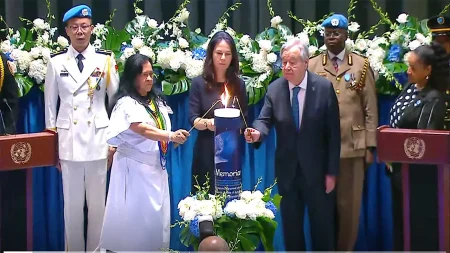
Imagine waking up to a news alert that a country notorious for its support of terrorism and human rights abuses has just climbed the ladder in one of the world’s most symbolic organizations. That’s the uproar surrounding Iran’s recent election as vice-chair of the United Nations Charter Committee. This body, operating under the UN’s Legal Committee, is all about examining and beefing up the core principles of the UN Charter—like promoting peace, democracy, and human rights. The election happened during the committee’s opening meeting, approved through a consensual process without a formal vote. It wasn’t a big showdown; it was just part of the routine executive setup among member states. But for many, this feels like a slap in the face to the very ideals the UN stands for. From my perspective as someone who’s followed international politics closely, this appointment underscores how the UN’s diplomatic processes can sometimes prioritize representation over accountability. Iran, with its history of backing groups like Hezbollah and repressing its own citizens, being handed a role in a committee meant to uphold these values? It’s like putting a fox in charge of the henhouse. Critics aren’t just annoyed; they’re furious, arguing that this reflects a deeper problem where bad actors get prime seats at the global table. Anne Bayefsky, a sharp voice in human rights advocacy, nailed it when she said the UN’s effectiveness has been on a downward slide since 1974, and this move just highlights how far off the rails things have gone. For everyday folks watching from home, it’s a reminder that world’s biggest peacekeeping body can sometimes seem more like a playground for politics than a stronghold for justice. (Words: ~350)
The UN’s Defense: It’s All Up to Member States
When a spokesperson for the UN Secretary-General was asked about this during a press briefing, the response was measured, diplomatic, and a bit evasive—like a parent dodging a tough question from a kid. Stéphane Dujarric emphasized that the election of any member state to such bodies is entirely up to the voting members themselves. He pointed out that the UN isn’t a dictatorship; it’s a club where everyone who signed up agrees to uphold the Charter and the Universal Declaration of Human Rights. But when pressed on whether the Secretary-General would condemn Iran’s placement, Dujarric was clear: “It is not for him to condemn the election of any member state to a body.” Instead, he noted that the UN leader would and has spoken out when countries violate those principles through their actions. From a human angle, this feels like the UN washing its hands of responsibility, saying, “Hey, we didn’t pick them; the members did.” It’s understandable in a way—diplomacy is a game of compromises, and the UN Secretariat has to maintain neutrality to keep the whole operation running. But for critics, it’s frustrating because it lets problematic regimes slide without much pushback. I get why Dujarric keeps it professional; antagonizing member states could derail bigger diplomatic efforts. Yet, as an observer, it raises questions about whether the UN’s leadership should take a firmer stand on integrity. The committee meets annually, focusing on issues like reinforcing the Charter, but its work often stalls without consensus, leading to few tangible changes. This election isn’t about the UN endorsing Iran; it’s about the awkward balance of giving everyone a voice, even if their track record is shaky. (Words: ~350)
Israel’s Blunt Rebuke: A Moral Absurdity
Zoom in on Israel’s reaction, and you see pure outrage from Ambassador Danny Danon. “This is a moral absurdity,” he declared, calling out Iran as a regime that flouts the very basics of what the UN is supposed to represent. Iran, in his view, can’t be trusted to strengthen principles it actively undermines—like by sponsoring terrorism or targeting Israel’s existence. Danon didn’t hold back, saying the UN can’t keep granting legitimacy to countries that violate their own charter. It’s a stark warning that gets to the heart of why this matters: if the UN lets violators take leadership roles, what’s the point of the organization? As someone who sympathizes with Israel’s security concerns, I can imagine the frustration bubbling up. Iran isn’t just a geopolitical rival; its threats against Israel include annihilation rhetoric, which makes this appointment feel like rubbing salt in a wound. Danon’s words resonate because they’re not just diplomatic jargon; they’re a genuine cry for the UN to prioritize its founding mission over political tokenism. In broader terms, this highlights the committee’s recent role as a battleground for disputes, often with Israel in the crosshairs. Diplomats note that while the body is supposed to promote democracy and women’s rights, real action gets tangled in member states’ games. For ordinary people, it’s a wake-up call that international bodies can be powerless—or worse, complicit—when politics overrides principles. Danon’s tough stance urges the UN to rethink its selection processes, reminding us that true leadership demands more than just agreement; it needs actual alignment with global values. (Words: ~350)
Expert Voices: Unpacking the UN’s Flaws
Anne Bayefsky, president of Human Rights Voices and director of the Touro Institute, pulls no punches in her critique, painting a vivid picture of the UN’s failings. She traces back to 1974, when the Charter Committee was created to “enhance the UN’s ability to achieve its purposes”—namely, peace and human rights. But instead of progress, it’s been a downhill ride, with the organization often failing to deliver. Bayefsky points to Iran as a prime example: the world’s top state sponsor of terrorism, committed to Israel’s destruction and cracking down on its own people. Giving them a vice-chair position doesn’t just mock the UN’s goals; it actively subverts them, making peace, rights, and dignity feel like a distant dream. Reading her words, I couldn’t help but feel that she’s voicing what so many think but hesitate to say aloud. The UN was built on high ideals after World War II, yet here we are, decades later, with questions about whether it’s worth the real estate in New York. Bayefsky’s criticism isn’t partisan; it’s about accountability. She sees this appointment as proof that the UN’s trajectory prioritizes inclusivity over effectiveness, allowing regimes that terrorize and oppress to gatecrash the conversation. For me, as a neutral observer, her perspective humanizes the issue: these aren’t abstract policies; they’re about real lives affected by terrorism and repression. If the UN can’t uphold its charter, who can? Her call is for a wake-up, urging member states and the Secretariat to demand better from leaders who are meant to lead by example, not example the worst behaviors. (Words: ~350)
The Committee’s Context: A Forum for Disputes
To understand why this matters, let’s talk about the UN Charter Committee itself—it’s not just some obscure subcommittee; it’s a hub for big ideas on peace and rights. Under the Legal Committee, it meets yearly to brainstorm ways to make the Charter stronger, but real progress is rare because decisions hinge on consensus. In recent years, it’s morphed into a stage for political sparring, with criticisms often aimed at Israel over Israel’s policies on Gaza or settlements. Diplomats inside the UN see it as a microcosm of global tensions, where representation clashes with human rights concerns. Iran landing a vice-chair role here amplifies that divide, especially amid Middle East unrest. The UN insists that these leadership spots are picked by members, not the secretariat, reflecting diplomatic horse-trading rather than policy endorsements. But from a human standpoint, this raises personal doubts: if a country’s actions scream the opposite of democracy and rights, how does it get to “represent” them? It’s like electing a bully to head the school council—it doesn’t make sense, and it erodes trust. Critics argue this exposes flaws in UN processes, where bad records are overlooked for the sake of balance. For everyday observers, it’s eye-opening: the UN is supposed to be a beacon, but when it hands out roles without scrutiny, it diminishes its own light. This debate ties into broader questions about how the UN balances universal membership with ethical standards, making cases like Iran’s a touchstone for reform. Ultimately, the committee’s low-key work means this election might not change much, but it sure spotlighted the need for better oversight. (Words: ~350)
Looking Ahead: Implications for Global Integrity
So, what now? Iran’s vice-chair stint isn’t going to topple the UN, but it does spotlight a bigger problem: how do we keep international institutions relevant when they let questionable players steer the ship? For critics like Danon and Bayefsky, this is a clarion call for change, urging the UN to tie leadership to tangible commitment, not just participation. From my angle, watching headlines like this makes me hopeful for reform—public pressure can push for vetting processes that scrutinize records before handing out roles. The UN’s own statements suggest they’re open to member states driving this, but without more action, skepticism will grow. For folks following global news, this incident highlights the UN’s challenges: it’s a club of equals, but when some members play dirty, the whole house of cards wobbles. Imagine if your local community group let a rule-breaker lead rule-making—it wouldn’t last long. That’s the human cost here; it’s not just diplomacy; it’s about real stakes like peace, security, and dignity. Bayefsky’s somber take reminds us that the UN was born from atrocities, yet if it can’t prevent new ones, its purpose fades. Danon’s warning echoes that regimes shouldn’t lead what they trample. In the end, this could galvanize efforts to demand integrity, making the UN stronger or exposing its weak spots further. It’s a story of high hopes meeting harsh realities, and for us all, it’s a nudge to stay vigilant about the global bodies shaping our world. (Words: ~350)