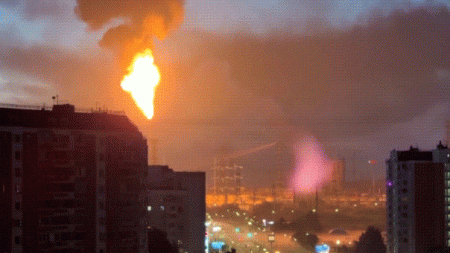



The streets of Tehran and other Iranian cities have become a harrowing battlefield, where ordinary people, driven by desperation and rage, risk everything just to breathe freely. Imagine waking up in a bustling city like yours, but instead of going about your day, you’re haunted by the echoes of gunfire and the cries of those who’ve been silenced. The protests that erupted in late December weren’t planned rallies; they were spontaneous outpourings of frustration over crippling economic hardships, stifling political repression, and rampant corruption under the regime. Young students, working families, and even people from all walks of life took to the alleys and squares, shouting for change, for a life without fear. But the regime’s response has been merciless—a relentless crackdown that paints a grim picture of a society on the brink. Eyewitness accounts, like those shared by credible sources through platforms such as Tehran Bureau, describe a nightmarish reality where security forces don’t hesitate to unleash terror. One insider, speaking with raw emotion, urges friends abroad to understand: “There’s absolutely nothing else we can do here inside Iran.” The words spill out like a confessional, detailing how lives are extinguished with brutal efficiency—point-blank shootings, beheadings, and atrocities that defy humanity. Mothers hide their children, husbands fear leaving home, and the air thickens with the acrid scent of violence. According to human rights reports, over 6,000 souls have been lost, with numbers still climbing as investigations uncover more horrors. These aren’t just statistics; they’re the faces of brothers, sisters, and dreams shattered in broad daylight. As days turn into weeks, the once-vibrant pulse of civic pride has morphed into a paralyzing dread, where simply stepping outside feels like madness, a gamble with death itself. The insurgents, armed with tools of oppression, rove like predators, their weapons granting them unchecked power while the populace remains defenseless, yearning for parity just to survive. In this oppressive theater, bravery has evolved into ritualistic suicide, and the international community watches, paralyzed by diplomacy’s slow grind. Yet, amidst the despair, glimmers of resistance flicker, reminders that the human spirit, though battered, refuses to be extinguished entirely. People worldwide, connecting through shared humanity, offer virtual embraces, urging patience and strategy, knowing that change, when it comes, must be rooted in solidarity, not further bloodshed.
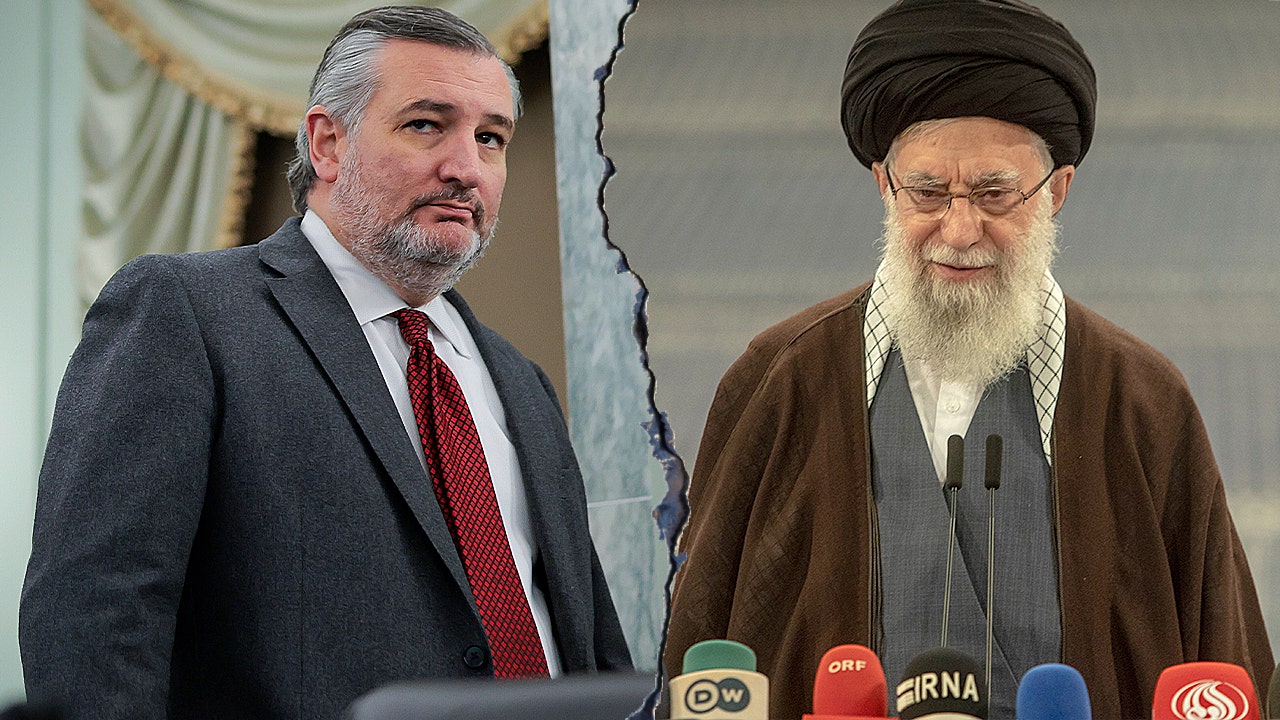
Senator Ted Cruz, a voice of unyielding principle from Texas, stepped into the fray with a clarion call that echoes the frustrations of many watching from afar. On a Tuesday that felt like any other yet heavy with global tension, he took to the social media platform X, his words piercing the digital veil like an urgent plea from a concerned uncle. “We should be arming the protesters in Iran. NOW,” he declared, not as a cold strategist but as someone who sees the faces behind the headlines—families torn apart, innocents gunned down for daring to dream of freedom. Cruz frames his stance with compassion for the Iranian people, positioning the overthrow of the Ayatollah as a beacon for global safety. The current leader, infamous for his anti-American chants and iron-fisted rule, represents tyranny that fuels unrest and threatens stability beyond Iran’s borders. By equipping the dissenters, Cruz argues, the U.S. could tip the scales, transforming cowering victims into empowered guardians of their destiny. He responds directly to gut-wrenching posts that paint the ground situation as apocalyptic—a world where every outing risks annihilation. For Cruz, this isn’t abstract geopolitics; it’s a moral imperative, a nod to the American ethos of standing with the oppressed against the oppressor. His post resonates because it humanizes the struggle: the protesters aren’t pawns in a larger game, but real individuals fighting for a future free from betrayal and brutality. As a father and a leader, Cruz imagines the relief of safe streets, schools, and homes unmarred by regime paranoia. Critics might decry his fervor as reckless, but for those whose loved ones languish in Iran’s shadow, his words offer a lifeline of hope, a reminder that allies exist even in distant lands. In sharing this sentiment, Cruz invites a conversation: should nations intervene in such upheavals with arms or diplomacy? His advocacy stirs debates, forcing us to confront the weight of inaction versus the risks of engagement, all while keeping the focus on the ultimate prize—peace and liberty for a nation yearning to breathe anew.
While voices like Cruz’s advocate for bold action, the reality on the ground underscores a chilling asymmetry that weighs heavily on the heart. Survivors and activists, channeling their terror through clandestine messages, recount scenes that blur the lines between film and nightmare. One poignant account, relayed via Tehran Bureau, implores outsiders to grasp the futility of unarmed resistance: “They are killing people in such ways, they’ve descended upon people so brutally… We’ve lost so many lives that no one dares go out anymore.” The language is visceral, evoking the tremor of a racing heartbeat, the sting of tear gas in the eyes, the finality of a bullet’s impact. Beheadings aren’t mere barbarism; they’re calculated displays of power, meant to instill terror in communities already fractured by loss. Families gather in hushed basements, sharing stories of fallen friends— the university student shot while chanting, the mother who never returned from the market. Human rights groups, like the Human Rights Activists News Agency, paint a stark tally: over 6,000 casualties, a number that balloons with each uncovered grave. These are not faceless deaths but narratives of interrupted lives—graduations never attended, weddings postponed indefinitely. The regime’s shoot-to-kill orders, reported nationwide, transform public spaces into no-go zones, where curiosity or defiance spells doom. Protesters speak of a maddening escalation; what began as chants against economic woes and corruption has devolved into a survival test, where arming themselves mirrors the oppressors’ arsenal. Without weapons, gatherings are fantasies, quashed by superior force. This disparity evokes empathy—imagine your neighborhood under siege, where hope dwindles with each sunrise. Internationally, empathy mixes with helplessness; humanitarian appeals flood in, offering resources for the displaced, mental health support for the traumatized. Yet, the human cost lingers: scars on bodies and souls, legacies of violence that complicate futures. In personalizing these tragedies, we confront our shared vulnerability, urging a collective awakening to prevent such cycles elsewhere.
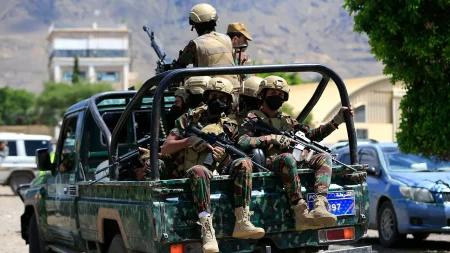
The stakes escalate beyond Iran’s borders, as armed groups aligned with the regime issue ominous warnings that chill the blood and complicate any путь to resolution. Militias like Kataib Hezbollah in Iraq, echoing the regime’s defiance, vow retaliation that’s as personal as it is apocalyptic. Their leader, Abu Hussein al-Hamidawi, in a speech reported by The Associated Press, threatens “total war” against any U.S. incursions, promising the bitterest deaths to so-called enemies. The rhetoric isn’t vague; it speaks directly to the heart’s deepest fears: approaching oblivion with every conceivable torment. “You will taste every form of deadly suffering, nothing of you will remain in our region, and we will strike terror in your hearts.” These words, laden with venom, humanize the militants not as faceless proxies but as protectors of an ideology, fervent in their loyalty yet blind to the bloodshed they perpetuate. Meanwhile, Yemen’s Houthis amplify the chorus, releasing a video of a flaming ship in the Red Sea, captioned simply “Soon,” signaling intentions to reignite assaults on global shipping. This isn’t mere posturing; it’s a familial warning, like a father shielding kin, underscoring how intertwined conflicts span continents. For families in the Middle East and beyond, these threats evoke nights of anxious watching, prayers for safety amid uncertainty. President Trump’s administration responds with a show of force, deploying assets like the USS Abraham Lincoln to the region, a move that feels protective yet provocative. As tensions simmer, human stories emerge—soldiers far from home sending letters to loved ones, diplomats negotiating in smoke-filled rooms, each grappling with the moral quagmire of power plays. Cruz’s call to arm protesters directly challenges these threats, positing that empowering locals could disarm militias from afar. Yet, empathy extends to all sides: regime loyalists, shaped by generations of distrust, view outsiders as invaders. In humanizing this standoff, we see the tragedy of division—bonds frayed by history, fears stoking flames that consume innocents on all fronts.
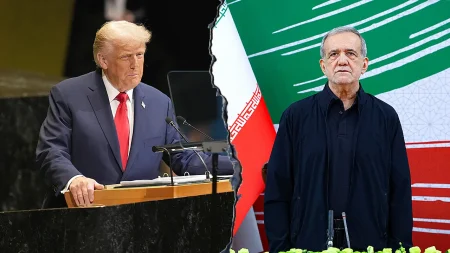
President Donald Trump, navigating these turbulent waters with his signature assurance, injects a note of potential dialogue into the cacophony of threats and pleas. In conversations with outlets like Axios, he shares an intimate glimpse into diplomacy’s undercurrents, suggesting Iran might be open to talks despite the chaos. “They want to make a deal. I know so. They called on numerous occasions. They want to talk,” Trump confides, his tone paternal, like a seasoned mediator coaxing estranged parties to the table. This revelation humanizes the leaders—fallible figures behind closed doors, reaching out when pride permits. For the Iranian populace enduring violence, such negotiations offer a sliver of hope, a chance to trade arms for assurances, hardships for relief. Trump’s military buildup, including the arrival of the USS Abraham Lincoln, underscores a protective stance, akin to a family patriarch fortifying the home amidst rumors of storms. Yet, it’s not without personal cost; sailors aboard recount the strain of readiness, missing birthdays and holidays for a duty that binds them to strangers. On the Iranian side, insiders yearning for weapons to level the playing field see Trump’s words as mixed signals—forceful yet conciliatory. This duality evokes empathy for all involved: leaders juggling egos and ethics, citizens craving an end to the ordeal. Human rights estimates of over 6,000 dead weigh on Trump’s decisions, reminding him of the human toll his policies might mitigate or exacerbate. As the unrest peaks, personal stories filter through—diplomats sleepless, families separated, each decision a thread in a larger tapestry of global interconnectedness. Trump’s approach personalizes foreign policy, treating adversaries not as monoliths but as counterparts with mutual interests. Amid calls to arm protesters, like Cruz’s, Trump’s hints at negotiation propose an alternative path: de-escalation through understanding, prioritizing lives over confrontations. This balance fosters reflection on how empathy drives change, urging stakeholders to envision a world where dialogues outpace disputes.
In the end, the crisis in Iran serves as a profound reminder of humanity’s resilience and fragility, weaving together threads of defiance, diplomacy, and deep-seated longing for connection. As the world watches, the protesters’ courage stands as a testament to unyielding hope, their stories of loss and survival etching themselves into collective memory. Senator Cruz’s impassioned plea to arm them isn’t just policy; it’s a heartfelt echo of support from afar, recognizing that empowering the oppressed could usher in safer tomorrows for all. Meanwhile, militia threats and military maneuvers highlight the interconnected lives affected—families divided, futures uncertain—urging a shared empathy that transcends borders. President Trump’s overtures for talks offer a glimmer of compromise, treating adversaries with the humanity they deny their critics, potentially paving a softer path forward. Yet, the human cost remains staggering, with thousands mourned in whispers, their legacies demanding accountability and change. Humanizing this turmoil means seeing beyond headlines to the everyday heroes: the protester scribbling messages of defiance, the diplomat sighing into late-night calls, the global onlooker offering aid. It prompts questions of our roles—do we arm for justice, negotiate for peace, or simply bear witness with open hearts? As the Middle East teeters, lessons emerge: conflict thrives on division, but bridges of understanding can rebuild. For Iranians trapped in this crucible, and for advocates worldwide, the journey ahead calls for unity—a collective effort to honor the fallen and nurture the living, ensuring that protests yield progress, not perpetual pain. In embracing our shared vulnerabilities, we inch closer to a world where such stories unfold in safety, not sorrow, where every life, regardless of flag or faction, is cherished and uplifted. This isn’t just a crisis; it’s a call to action, reminding us that in the face of oppression, the strongest weapon remains compassion, wielded with unwavering resolve.