


The Tense Skies Over the Baltic
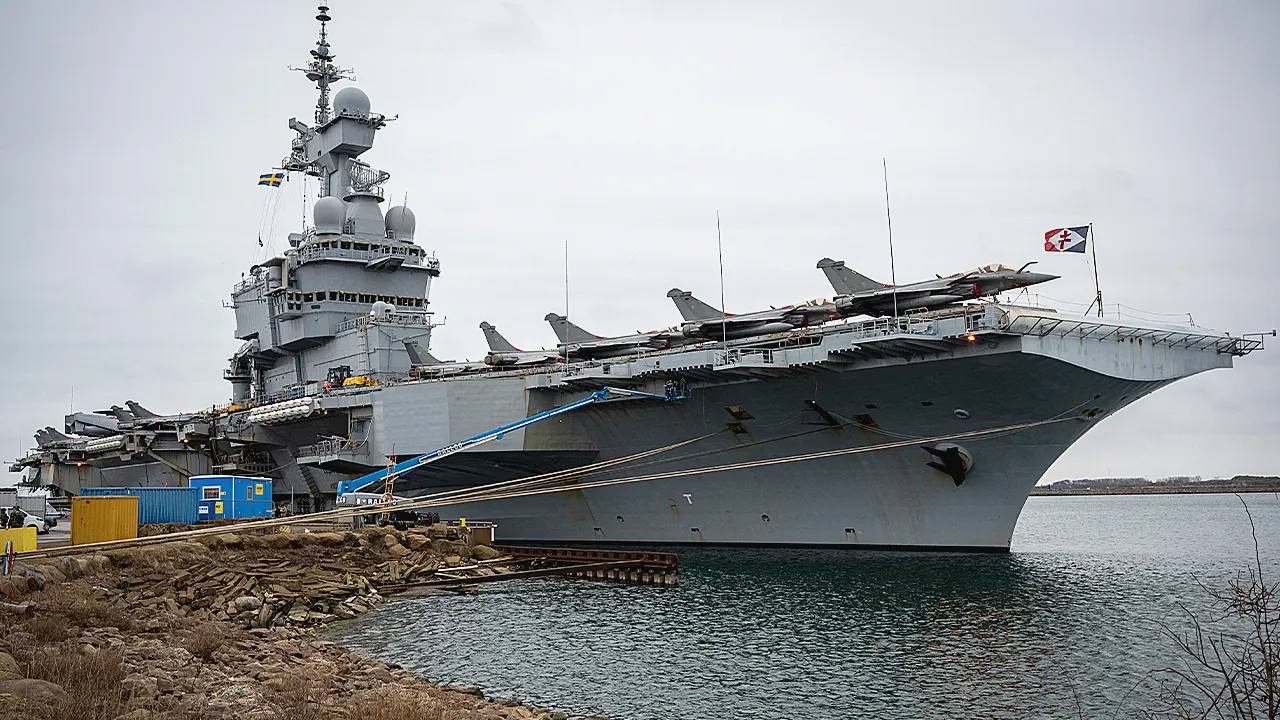
Imagine waking up in the port city of Malmö, Sweden, on a crisp February morning in 2024, with the air thick from the distant hum of military activity. The southern Swedish port, usually bustling with ferries and cargo ships plying the Öresund Strait that connects the Baltic Sea to the North Sea, had transformed into a hub of international tension. NATO forces were congregating for Operation La Fayette 26, a major naval exercise designed to showcase unity and strength amidst growing anxieties about Russian intentions in Europe. At the heart of it all was the Charles de Gaulle, France’s flagship nuclear-powered aircraft carrier—a behemoth of steel and technology, longer than two football fields, capable of launching fighter jets and carrying enough firepower to tip the balance in any conflict. This wasn’t just a drill; it was a show of democracy’s muscle in a region where the echoes of Cold War standoffs still lingered.
On February 25, as the Charles de Gaulle lay docked in port, the tranquil scene shattered when a small, uninvited intruder entered the picture. According to reports from Swedish broadcaster SVT, a suspected Russian drone was spotted approaching the French warship, launched from a Russian military vessel lurking in the vicinity. For anyone watching from the shoreline, it might have looked like a harmless hobbyist gadget, buzzing low over the water like a giant mosquito on a mission. But in the high-stakes world of espionage, this tiny aircraft represented a direct probe into Western defenses. Swedish naval forces, ever vigilant during their patrols, detected the drone early. Picture the sailors on deck, their faces stern behind binoculars, knowing that a single misstep could escalate to something catastrophic.
The response was swift and technical. A Swedish Navy ship engaged electronic countermeasures, essentially frying the drone’s controls with directed energy signals. It’s a method that sounds almost futuristic, like something out of a sci-fi blockbuster, where invisible waves scramble enemy tech. The Swedish Armed Forces released a calm statement confirming the event: “A ship from the Swedish Navy observed a suspected drone during ongoing sea patrols in the Öresund. In connection with the observation, the Swedish Armed Forces took countermeasures to disrupt the suspected drone. After that, contact with the drone was lost.” No flashy explosions, just a quiet defeat of an unseen threat. Defense Minister Pål Jonson added gravity to the narrative, telling SVT that the drone “probably came from Russia” given the presence of a nearby Russian ship. For the ordinary folks in Malmö—shopkeepers, fishermen, families grabbing their morning coffee—this incident must have felt surreal, a reminder that global conflicts can intrude on everyday life without warning.
French officials downplayed the disruption, emphasizing operational continuity. Colonel Guillaume Vernet from the French General Staff remarked that the jamming occurred about seven nautical miles away and didn’t interfere with activities aboard the carrier. It’s reassuring, isn’t it, to know that even in the face of such provocations, the machinery of international alliances grinds on. But beneath the stoic assurances lies a human element: the fatigue of crews who sacrifice normalcy for readiness, the families who worry from afar. Just hours after this Baltic brush with danger, Poland scrambled fighter jets in response to Russian strikes over Ukraine, painting a broader picture of a Europe on edge. Swedish spokespeople like Jonson and VERNET humanized the ordeal by focusing on professional prowess rather than panic, as if to say, “We’ve got this handled,” yet the undercurrent of unease washed over social media and newsfeeds, sparking debates about whether Russia was testing boundaries or gathering intelligence.
This episode isn’t isolated; it’s part of a tapestry of escalating tensions fueled by Moscow’s actions. Russian President Vladimir Putin himself had recently warned that adversaries should know “how things could end” if they dared a nuclear gambit, words that hang in the air like a chilling prophecy. For everyday people in countries like Sweden and France, these aren’t abstract geopolitics—they’re personal anxieties about safety, stability, and the future. Imagine a young Swedish sailor reflecting on a talk with his parents back home, explaining why he’s out here guarding ports instead of enjoying a peaceful haircut or a date night. Or picture French aviators on the Charles de Gaulle, training for the skies while grappling with the psychological weight of being targets. The human cost of such standoffs includes sleepless nights, deferred dreams, and a world where trust erodes like sand under waves.
As the La Fayette 26 drills conclude and the Charles de Gaulle sails away, the incident leaves lingering questions about Russia’s intentions, whether the drone was pure espionage or a bolder maneuver. Regardless of its fate—did it sink into the strait or return to its launch vessel?—it underscores a reality where technology blurs the lines between war and peace. For readers tuning in via the new Fox News listen feature, perhaps curling up with headphones on a long drive, this story serves as a window into lives disrupted by global gamesmanship. It’s a call to vigilance, yes, but also to empathy for those on the front lines, maintaining the fragile peace we often take for granted. In a Sweden where neutrality has long been a pride, this event humanizes the cost of confronting shadows from the east, reminding us that heroism often hides in the mundane courage of patrolling the seas. As NATO allies stand shoulder to shoulder, one hopes for de-escalation, but prepares for whatever storms may come. The Baltic waters, once calm, now whisper warnings of a world that’s anything but assured. In the end, incidents like this aren’t just news; they’re narratives of human endeavor against the backdrop of uncertain destiny, where a single drone can symbolize far deeper tremors in the earth.
Expanding the Horizons: The Broader Conflict Context
Zooming out from the immediate drama in Malmö, it’s crucial to humanize the broader geopolitical stage where this drone incident plays out. Picture the global chessboard anew: Russia, under Putin’s stewardship, has flexed its muscles in ways that rattle nerves from the Arctic to the Black Sea. Just days prior, this Baltic scare aligned with heightened alarms elsewhere, including U.S. National Security Advisor Jake Sullivan sounding off on joint Russian-Chinese operations in the American Arctic zone. Sullivan’s blunt assertion—that they were “spying”—echoes the frustrations of diplomats and everyday citizens alike, who see these moves as not just military tests but blatant intrusions on sovereignty. For a American family relying on stable international relations for commerce or travel, such revelations feel like a personal intrusion, sparking fears of economic ripples or even cyber vulnerabilities that could affect their online lives.
In Sweden, a nation proud of its peace accord history back in 1905, citizens are grappling with a return to Cold War-like anxieties. The country’s Armed Forces, a blend of professional soldiers and conscripts, embody the human spirit of defense—young recruits from diverse backgrounds stepping up for drills that blend routine patrols with real-world vigilance. One can imagine a Swedish grandmother, perhaps from Stockholm, recalling her childhood stories of neutrality becoming fragile reality, now worried about her grandson in uniform. The Öresund Strait, that vital waterway between Sweden and Denmark, isn’t just a scenic route for tourists; it’s a flashpoint where suspicions converge, turning idyllic vistas into potential battlegrounds. Reports link this drone activity to a pattern of Russian-linked probes near Western assets, from maritime espionage to aerial forays, painting a picture of Moscow’s probing without inviting full-scale war—yet.
French involvement adds layers of emotion, as the Charles de Gaulle represents more than machinery; it symbolizes national pride and sacrifice. Parisians or folks from coastal towns might cheer the carrier’s lore, woveem from tales of past deployments in Afghanistan or the Mediterranean. But humanizing this means acknowledging the crew’s daily grind: months at sea, away from loved ones, enduring the psychological toll of constant readiness. When Colonel Vernet assures that operations remained unaffected, it’s a nod to ingenuity, but behind such statements are stories of engineers tweaking systems late into night, families sending care packages, and the quiet heroism of preventing catastrophes. This incident humanizes the alliance as a network of people—Swedish sailors partnering with French aviators—not just acronyms like NATO, sharing coffees between shifts and bridging cultural divides through shared purpose.
Poland’s fighter jet scramble, just hours later, ties directly into this narrative, amplifying the domino effect of Russian aggression. For Poles, living near the edge of Ukraine’s war zone, this is visceral—air raid sirens testing communal bonds, neighbors helping neighbors in shelters. Imagine a Warsaw resident, heir to histories of occupation, feeling a mix of defiance and dread as jets roar overhead in response to Kremlin strikes. It’s a human tapestry where personal resilience meets collective fear, reminding us that threats aren’t distant; they’re felt in disrupted commutes, paused vacations, and the ache of global uncertainty. Sullivan’s alarm about Russia-China collusion in the Arctic further widens the lens, highlighting how these actions form a mosaic of alliances reshaping world order, affecting everything from shipping lanes to climate research.
At its core, humanizing geopolitical events like this drone jamming means recognizing the voices often unheard: the families piecing together fragmented calls from ship, the diplomats negotiating cease-fires in smoke-filled rooms, the journalists ferreting out truths amidst propaganda. For Fox News listeners hitting play on this story, perhaps during a morning jog, these incidents transcend headlines into relatable dramas of caution and perseverance. Putin’s warnings about nuclear ends? They’re chilling reminders of fragility, for anyone pondering the “what ifs” of international relations. The Swedish interception stands as a testament to proactive defense, yet it begs patience from a world weary of escalation. As tensions simmer, one root for dialogue over drones, ensuring that humanity’s shared future isn’t sabotaged by suspicion. In narrating these events, we confront the human cost—emotional, cultural, existential—inviting empathy for those safeguarding freedoms from Malmö to Maine.
The Technology and Tactics Behind the Scenes
Delving deeper, humanizing the drone jamming incident involves unraveling the technology that made it possible, transforming cold facts into a story of innovation and ingenuity. Picture the Swedish Navy’s electronic countermeasures as a modern wizardry, using electromagnetic pulses or jamming signals to sever the drone’s connection to its operator, much like disrupting a Wi-Fi hotspot in a crowded café. For tech enthusiasts or curious minds, this isn’t mere science fiction; it’s rooted in decades of defense R&D, driven by brilliant minds in labs from Stockholm to silicon valleys elsewhere. A young engineer, perhaps inspired by hacker movies, might find romance in the precision required—calculating frequencies mid-patrol, ensuring the signal hits the mark without collateral damage.
On the other side, the Russian drone, suspected to be reconnaissance gear, represents Moscow’s evolving tech edge, blending commercial off-the-shelf components with military stealth. Humanize this by considering the operatives back on the Russian vessel: seasoned pilots or experts, trained in shadows, their faces illuminated by screens, motivated by patriotism or orders from afar. Were they aware of the risk? Did a father among them think of his family in St. Petersburg? This dual perspective underscores the human element in cyber warfare, where lines blur between soldier and specialist, fear and duty. For Swedes witnessing the event from afar, perhaps through satellite images or coastal views, it sparks a mix of awe and worry about what futures hold for everyday drones in recreation or delivery.
The Charles de Gaulle, with its nuclear reactor powering propulsion, adds a layer of atomic-era drama. Crew members, interacting with systems requiring meticulous safeguards, embody the trust placed in technology. A junior officer might reminisce about training simulations, turning them into confidence amid real threats. This incident humanizes defense tech as not just tools, but extensions of human will—croshamades of caution against escalation. As NATO drills evolve, incorporating lessons from this event, we see adaptation: finer sensors, more robust networks, all to outwit potential foes. For listeners, understanding these tactics reveals the delicate balance in modern conflicts, where a jammed drone prevents crises, preserving lives and liberties.
Yet, the emotional toll persists. Soldiers on both sides grapple with the dehumanizing aspect of modern warfare—remote operations that distance the warrior from the warrior. A Swedish documentary crew might capture mariners’ relief post-jamming, their laughter masking tension, or Russians debating the efficacy in classified briefs. Humanizing means acknowledging this shared humanity, even in adversaries, urging viewers to reflect on de-escalation paths. The Öresund’s waters, now a symbol of inflection, remind us that technological prowess must serve peace, not perpetuate paranoia. In stories like these, the drone becomes a metaphor for curiosity and control, with human stories at its heart, driving innovation forward while seeking harmony in discord.
Official Reactions and the Human Pulse
As the dust settles over the Baltic, humanizing the incident means listening to the voices of officials who shaped its narrative, turning bureaucratic statements into personal accounts of duty and resolve. Swedish Defense Minister Pål Jonson, in his SVT interview, exudes a calm pragmatism honed from years in public service, perhaps reflecting on principles instilled by mentors or family legacies of neutrality. His words reveal a leader processing real-time pressures, balancing transparency with security, for a public craving clarity. When he links the drone to the nearby Russian vessel, it’s not just attribution; it’s a subtle plea for vigilance inspired by historical echoes of past Soviet incursions.
Colonel Guillaume Vernet’s French perspective adds international flavor, his assurance of uninterrupted operations a beacon of allied solidarity. One imagines him, post-interview, connecting with colleagues over virtual calls, their camaraderie forged in joint exercises. For citizens in France or beyond, these officials embody stewardship, their-human stories of long hours and hard choices making abstract geopolitics tangible. Sullivan’s earlier warnings about Russia-China espionage amplify this, with his authority framed by desk piled with briefs, perhaps a coffee-stained notepad symbolizing relentless analysis. Humanizing him involves envisioning the advisor strategizing with allies, his concerns mirroring parents fretting over children’s future in a volatile world.
These reactions ripple outward, influencing public sentiment and policy. In Poland, where jets intercepted Russian threats, officials’ grips highlight collective fatigue—airmen risking it all for sovereignty, communities banding together. For Fox News audiences absorbing this through audio, the officials’ tones convey urgency and hope, humanizing the bureaucracy as guardians of order. Yet, beneath the confidence lies relatability: Jonson might ponder a missed family dinner, Vernet the weight of nuclear custodianship. This incident underscores how leaders, like everyday people, navigate uncertainties, their decisions weaving the fabric of enduring alliances. Ultimately, their voices remind us that in the theater of international relations, human empathy and foresight are the true countermeasures against chaos.
Weaving the Threads: Lessons and Lingering Echoes
In synthesizing the drone incident into a broader whole, humanizing it means threading the narrative with lessons that resonate on a personal level, for readers and listeners alike. The swift Swedish response underscores preparation’s value—countless hours of training paying off when it mattered most. Imagine a recruit in Malmö, initially skeptical of simulations, now grateful for drills that sharpened instincts, turning potential panic into poise. This episode teaches the fragility of peace, urging civilians to appreciate the unseen shields guarding daily lives, from secure ports to uninterrupted internet flows.
Broader echoes include eight risks of miscalculation, where a drone’s buzz could snowball into unspoken wars. For those directly affected, such as Swedish families, Putin’s nuclear rhetoric looms as a specter, personalizing global crises through lenses of fear and resilience. A teacher might discuss drones in class, sparking kids’ curiosity about technology’s dual nature—tool or threat. Humanizing also invites reflection on allies: NATO’s cohesion, born of shared history, fosters unity amid divides, much like neighbors uniting against storms. As the Charles de Gaulle departs, we salute the unsung heroes—sailors, engineers, leaders—whose collective vigilance maintains the world’s fragile equilibrium.
For listeners hitting play on Fox News, this isn’t distant thunder; it’s a call to engagement, encouraging empathy for all stakeholders in the tension. In a world of instant news, such stories humanize conflict, transforming statistics into stories of endurance and hope.
A Final Reflection: Humanity Amidst the Machinery
As we close this narrative, humanizing the Swedish drone jamming means standing back to see the people—their fears, hopes, and relentless pursuit of security. In Malmö’s port, civilians resume routines, yet the air hums with awareness, reminding us that global events touch lives intimately. Sailors manning radars, diplomats crafting responses, each actor in a drama scripted by geopolitics yet performed with human depth. For you, dear listener or reader, let this story inspire vigilance and compassion, recognizing that in the shadow of drones, it’s our shared humanity that lights the path forward.