






Merchant mariners navigating the Strait of Hormuz today face an incredibly grueling reality, as a critical maritime artery has transformed from a routine trade route into a highly volatile arena of geopolitical conflict and physical danger. German shipping giant Hapag-Lloyd recently issued a sobering warning, characterizing the current climate of heightened risk, military skirmishes, and conflicting naval directives as a “new normal” for the Persian Gulf region. This is not merely an abstract corporate concern; it represents a daily, nerve-wracking reality for the thousands of civilian seafarers who operate massive container ships and tankers through these narrow, contested waters. Hanja Maria Richter, a spokesperson for Hapag-Lloyd, emphasized that the situation remains fluid, requiring constant vigilance, exhaustive risk assessments, and close cooperation with security partners, shore-based teams, and crews on the vessels. For the crews on board, every single voyage through the strait is now accompanied by the unsettling knowledge that they are sailing through a highly militarized zone where the rules of engagement are constantly shifting, and where a single miscalculation or stray drone could escalate into a major international threat. Global shipping has always been the quiet lifeblood of the modern economy, transporting the food, fuel, and raw materials that sustain daily life across the globe, but the current crisis in the Persian Gulf highlights the profound vulnerability of these supply chains and the immense human toll borne by the civilian mariners who keep them running. As military posture intensifies and diplomatic avenues remain jammed, the shipping industry has had to pivot from long-term planning to tactical survival, evaluating the structural safety and political sensitivity of every individual vessel and crew on a case-by-case basis before allowing them to enter the gulf, resulting in a state of perpetual high alert.
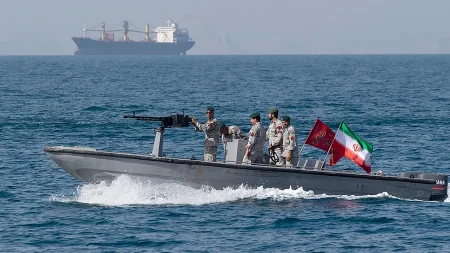
The operational reality on the water has deteriorated into what maritime analysts at Lloyd’s List describe as a confused, highly fragmented two-tier system that has completely shattered the historic transit corridors of the Strait of Hormuz. Traditionally, ships followed well-defined Traffic Separation Schemes designed to keep opposing flows of vessel traffic safe, but these pre-war patterns have been rendered entirely unusable due to the lethal threat of naval mines and active military surveillance. Today, merchant captains must choose between two distinct, politically charged fairways: a northern route controlled and aggressively monitored by Iran, and a southern “highway” protected by a coalition of Western naval forces led by the United States. This division forces shipping companies to make agonizing choices that are as much geopolitical as they are logistical, as choosing one route over another can signal political alignment or invite hostile interventions from opposing state actors. Naval authorities from different nations are issuing contradictory instructions, leaving captains caught in an operational tug-of-war, unsure of whose commands to follow or which regional authority has legal jurisdiction over their immediate path. This fractured environment not only increases the risk of collisions in congested, restricted waters but also subjects crews to intense psychological distress as they navigate a mine-strewn labyrinth while receiving frantic, competing communiqués over their radios. The physical division of the strait serves as a stark symbol of the broader geopolitical fragmentation of the modern world, where international law is increasingly superseded by regional power projection, and where global commons are subdivided into garrisoned zones of influence that threaten the very concept of free and unhindered navigation, transforming a simple commercial voyage into a high-stakes crossing of a heavily militarized border.
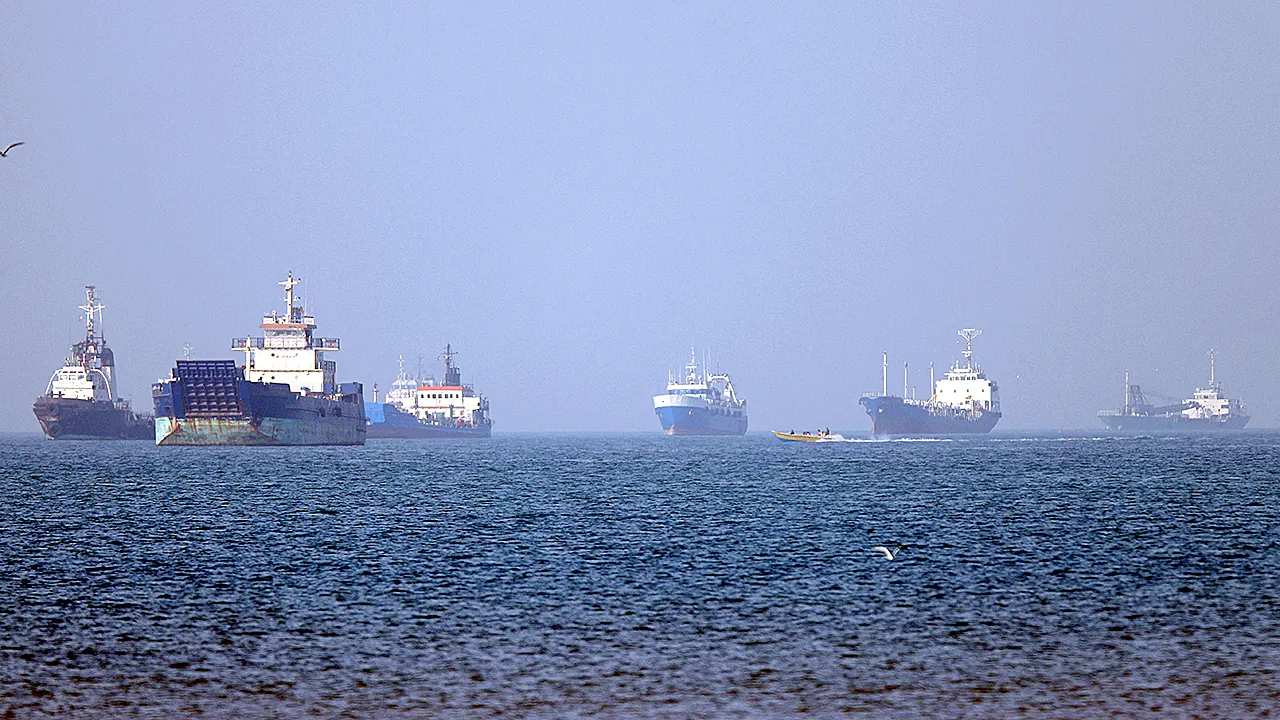
Against this backdrop of intense operational friction, the high-stakes game of energy logistics continues unabated, particularly as Tehran initiates massive, coordinated movements of crude oil from its primary export terminals. Data compiled by the maritime artificial intelligence firm Windward AI recently revealed that Iran simultaneously utilized both the T-Jetty and Western Terminal at Kharg Island for the first time in several days, signaling an aggressive restart of the country’s crude export cycle. This intensive loading operation saw millions of barrels of liquid hydrocarbons transferred to a fleet of waiting tankers, with analytics firm Vortexa estimating the outbound cargo at approximately 4.12 million barrels of wet cargo, of which 3.91 million barrels consisted of crude oil. Particularly concerning to maritime security experts is the behavior of the vessels operating in the East Waiting Area near Kharg Island; out of 28 tankers anchored in the zone, 27 were running “dark”—meaning they had deactivated their Automatic Identification System (AIS) transponders to mask their movements, origins, and destinations. This reliance on a shadow fleet of silent, tracking-immune tankers not only complicates international efforts to monitor trade and enforce sanctions, but it also dramatically increases the risk of maritime accidents, as sailing without active transponders makes these massive, fully laden vessels functionally invisible to nearby civilian traffic. The sudden surge in covert oil exports underscores Iran’s determination to maintain its economic lifelines despite mounting Western military pressure, transforming the Strait of Hormuz into a paradoxical arena where illicit energy commerce and high-tech military surveillance exist in a tense, volatile equilibrium, all while commercial crew members are forced to share the water with stealthy vessels running without lights or radio signals.
The physical struggles on the water are closely mirrored by a fierce diplomatic war of words regarding who actually owns and regulates passage through this vital global chokepoint. Iranian Foreign Minister Abbas Araghchi asserted that Tehran coordinates and manages all maritime traffic through the Strait of Hormuz under recent regional understandings, with state television actively broadcasting that passage requires direct coordination with the Islamic Revolutionary Guard Corps (IRGC). This claim of absolute sovereign control has raised alarm bells across the international maritime community, sparking fears that Iran seeks to permanently weaponize or monetize one of the world’s most critical sea lanes. Shipping lines like Hapag-Lloyd have pushed back vigorously against this rhetoric, with Richter asserting that imposing fees or demanding political fealty for passage through international waters is fundamentally wrong and dangerous. While international law permits nations to charge tolls for artificial, heavily engineered waterways like the Suez and Panama Canals because they represent monumental domestic capital investments, the Strait of Hormuz is a natural, global waterway governed by the United Nations Convention on the Law of the Sea, which guarantees the right of transit passage for all international vessels. Attempting to convert a natural strait into a pay-to-play toll zone policed by a fundamentalist military branch threatens to upend centuries of maritime law, potentially setting a catastrophic precedent that could allow other nations to restrict access to key oceanic passages around the globe. This legal and ethical standoff places commercial shipping companies in an incredibly difficult position, forcing them to balance their commitment to international legal standards against the immediate, tangible threats of confiscation, harassment, or physical destruction by hostile regional actors who refuse to respect established global norms.
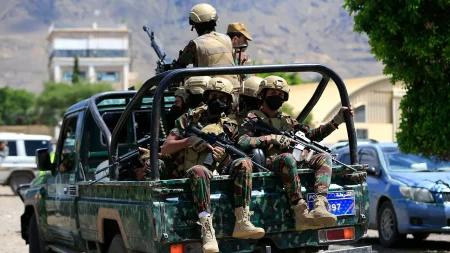
Indeed, the threat of physical violence is far from theoretical, as the region has entered a dangerous cycle of kinetic escalation that has repeatedly crossed the line into active military engagement. The current wave of instability reached a fever pitch following a series of strikes on commercial vessels, which prompted U.S. Central Command (CENTCOM) to launch retaliatory airstrikes against Iranian military installations on Qeshm Island. In turn, these strikes triggered a predictable yet highly dangerous response from the IRGC, which launched asymmetric attacks targeting U.S. military assets stationed in nearby Kuwait and Bahrain, as well as indiscriminate strikes across the Gulf of Oman that hit shadow tankers tied to various regimes. This rapid, tit-for-tat escalation illustrates how easily commercial shipping can become collateral damage in a broader regional war, with civilian vessels and their crews serving as proxy targets in a conflict they have no part in creating. The militarization of the Gulf of Oman and the Strait of Hormuz has forced navy commanders and corporate risk officers to rewrite their security playbooks on the fly, recognizing that traditional deterrents may no longer be effective against state and non-state actors who are willing to ignore international norms. For the crews on board these vessels, the sound of air raid sirens, the sight of naval destroyers on the horizon, and the constant threat of drone strikes have become a routine part of their working day, creating an environment of chronic stress and anxiety that is unprecedented in modern commercial shipping. This geopolitical volatility has fundamentally altered the economics of global shipping, driving up insurance premiums, disrupting delivery schedules, and forcing companies to invest heavily in private security details, armored bridges, and advanced evasion technologies just to keep their vessels afloat.
Amidst this harrowing landscape of military standoffs, covert oil runs, and sovereign posturing, the paramount concern remains the protection of human life and the preservation of the basic dignity of the mariners stuck in the middle of these global games of chess. Hapag-Lloyd’s successful navigation of the initial operational bottleneck—safely extracting all of its affected vessels from the Persian Gulf after temporary closures of the strait—offers a rare glimmer of hope and relief in an otherwise grim situation. Richter’s assertion that “the safety of our crews is our highest priority” serves as a crucial reminder that behind every shipping statistic, corporate report, or supply chain delay, there are flesh-and-blood human beings who are simply trying to do their jobs and return home safely to their families. The unsung heroes of this crisis are the captains, engineers, cooks, and deckhands who continue to sail into these perilous waters, showing incredible courage, professionalism, and resilience in the face of existential danger. As the world watches the geopolitical drama unfold in the Strait of Hormuz, it is vital that the international community does not lose sight of these workers, whose daily sacrifices keep the global economy from collapsing into isolationism and scarcity. Ultimately, the “new normal” in the Persian Gulf is a stark reminder of our shared vulnerability and our profound interconnectedness, demanding not only stronger security measures and clearer legal frameworks, but also a renewed cultural appreciation for the brave men and women who brave the world’s most dangerous seas to keep our global society connected and alive.