





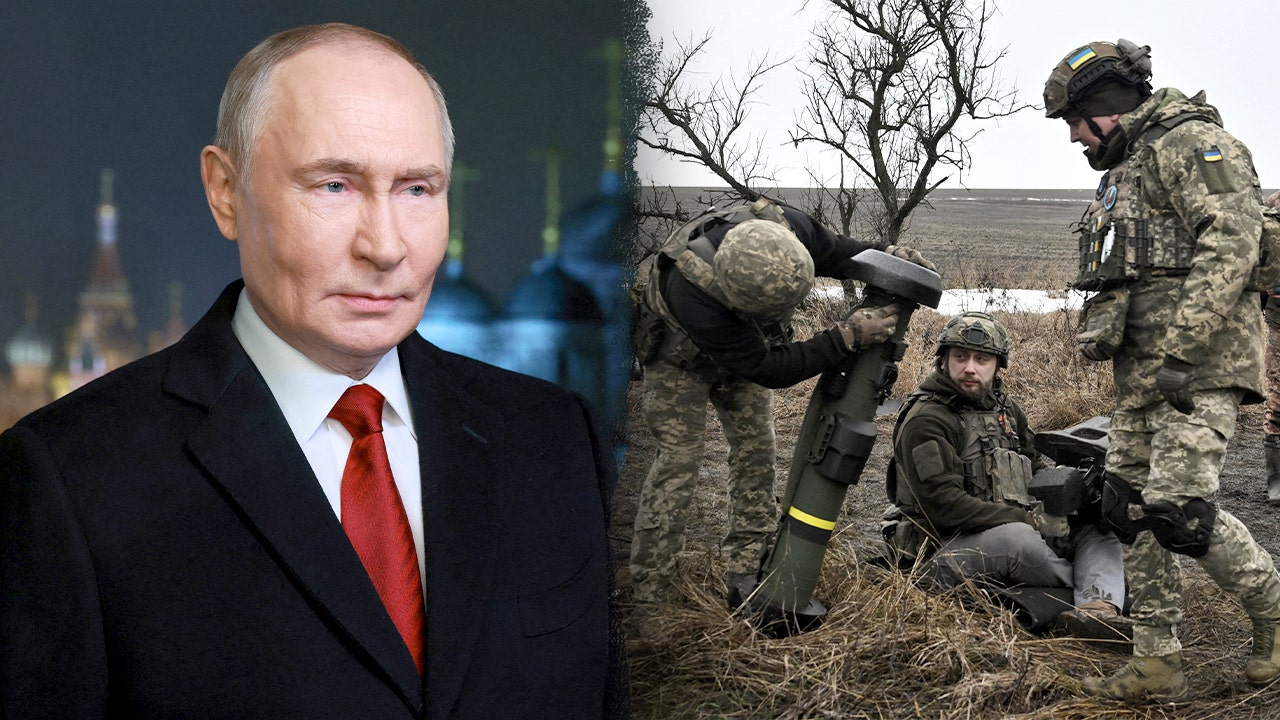
For the citizens of Latvia, Lithuania, Estonia, and Poland, the geopolitical threat from the East is not an abstract policy debate held in distant Western capitals, but a raw, lived reality that shapes their daily lives. Recently, Baltic and Polish intelligence agencies have sounded an urgent alarm, warning that the Kremlin is actively preparing a series of sophisticated, non-conventional physical and digital provocations designed to test NATO’s resolve and fracture Western support for Ukraine. Rather than launching a conventional military invasion—an endeavor that Russia is currently ill-equipped to sustain due to its massive, ongoing losses in Ukraine—Moscow is pivoting toward aggressive hybrid warfare. These planned provocations are expected to manifest as targeted drone incursions, mysterious missile flyovers, cyber-sabotage, and infrastructure disruptions. The ultimate goal of this gray-zone aggression is psychological coercion: Russia wants to send a terrifying message to European publics that continuing to support Ukraine’s defense will bring chaos, danger, and instability directly to their own doorsteps. By bringing these warnings into the light of public scrutiny, security officials are hoping to disarm these threats before they manifest, demonstrating that the front line of defense is as much about psychological resilience and public awareness as it is about physical weaponry.
At the heart of this volatile situation lies a profoundly human danger: the psychological isolation of Russian President Vladimir Putin and the systemic breakdown of accurate intelligence gathering within the Kremlin. Latvian intelligence analysts have voiced deep concern that Putin is operating within a dangerous echo chamber, surrounded by sycophantic advisors and compromised institutions that feed him a sanitized, heavily distorted version of reality. In this closed authoritarian system, dissenting opinions or sobering truths are routinely suppressed in favor of “positive news” that aligns with the leader’s ideological biases. This profound disconnect from the actual state of global affairs dramatically increases the risk of catastrophic miscalculation. If Putin genuinely believes that NATO is weak, divided, or on the verge of abandoning its eastern members, he may greenlight aggressive hybrid operations that accidentally cross the red lines of collective defense. It is this potential for a misjudged maneuver—rather than a planned, rational plan for a wider war—that keeps security planners awake at night, reminding the international community that a leader detached from reality is the most unpredictable variable in global security.
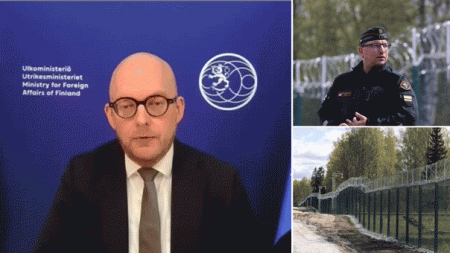
For those living on Europe’s eastern flank, this hybrid war is already a daily reality rather than a future hypothesis. In Poland and across the Baltic states, the boundary between peacetime and conflict has been systematically blurred by a series of hostile Russian-instigated actions. Polish officials have documented severe provocations, including devastating cyberattacks on critical domestic energy infrastructure aimed at causing widespread blackouts, unexplained GPS spoofing that threatens civil aviation, and mysterious acts of physical sabotage. Along the Belarusian border, the situation has taken a distressing humanitarian turn, where Polish and Baltic authorities have faced a coordinated, state-sponsored campaign that weaponizes vulnerable, illegal migrants, pushing them toward the borders to strain local resources and spark domestic political divisions. These calculated provocations are deliberately designed to linger just below the threshold of NATO’s Article 5 trigger, exploiting the nuanced legal frameworks of democratic societies to cause maximum societal anxiety, fatigue, and polarization among Western allies.
Beneath Russia’s outward bravado and public assertions of economic resilience, however, security assessments paint a picture of a fraying war machine that Latvian intelligence characterizes as a structural “house of cards.” Western sanctions—frequently dismissed by Kremlin propaganda as ineffective—are inflicting severe, compounding damage on Russia’s internal economic systems. While these financial measures have not yet altered Putin’s ideological commitment to subjugating Ukraine, they have drastically constricted his liquid financial assets, forcing the Kremlin to navigate increasingly painful choices. The Russian state is being forced to starve domestic infrastructure, public health, and education to fund exorbitant military spending, recruit bonuses for soldiers, and imports of critical technological components. Security analysts emphasize that maintaining and tightening international sanctions remains the single most effective peaceful leverage the West possesses, as it systematically drains the financial resources Russia needs to sustain its current military operations and execute further geopolitical adventures.
In tandem with covert physical and digital operations, Moscow is expanding its offensive into the international legal arena through a strategy known as “lawfare.” A detailed report by Latvia’s Constitution Protection Bureau (SAB) has revealed that Russian legal experts are closely analyzing international precedents—specifically focusing on Iran’s historical efforts to challenge American sanctions at the International Court of Justice—to mount complex legal challenges against Western economic penalties. Simultaneously, the Kremlin is preparing highly manipulative legal complaints before the United Nations, accusing the Baltic states of systemic discrimination against Russian-speaking minorities. This tactical use of international human rights and legal bodies is a familiar page from the Russian playbook. By fabricating a narrative of victimhood and state-sponsored Russophobia in the Baltics, Moscow is attempting to establish a paper trail of pseudo-legal justifications that it can later use to legitimize physical interventions, cyber-attacks, or coercive diplomatic threats to its domestic audience.
Despite these sobering warnings of grey-zone hostility, Baltic defense officials emphasize that there is no imminent danger of a full-scale, conventional military invasion of their sovereign territory. Military assessments indicate that even if the conflict in Ukraine were to end tomorrow, it would take the heavily depleted Russian armed forces anywhere from three to five years to reconstruct the advanced logistics, machinery, and trained personnel necessary to pose a credible conventional threat to NATO. In the meantime, the defense of the region relies heavily on the psychological fortitude of its citizens and the absolute credibility of NATO’s ironclad commitment to collective defense. By exposing Russia’s hybrid tactics, investing heavily in domestic defense infrastructure, and fostering strong public resilience against disinformation, the Baltic states and Poland are demonstrating that the true strength of a democracy lies not just in its military hardware, but in the clarity, unity, and unwavering resolve of its people.