


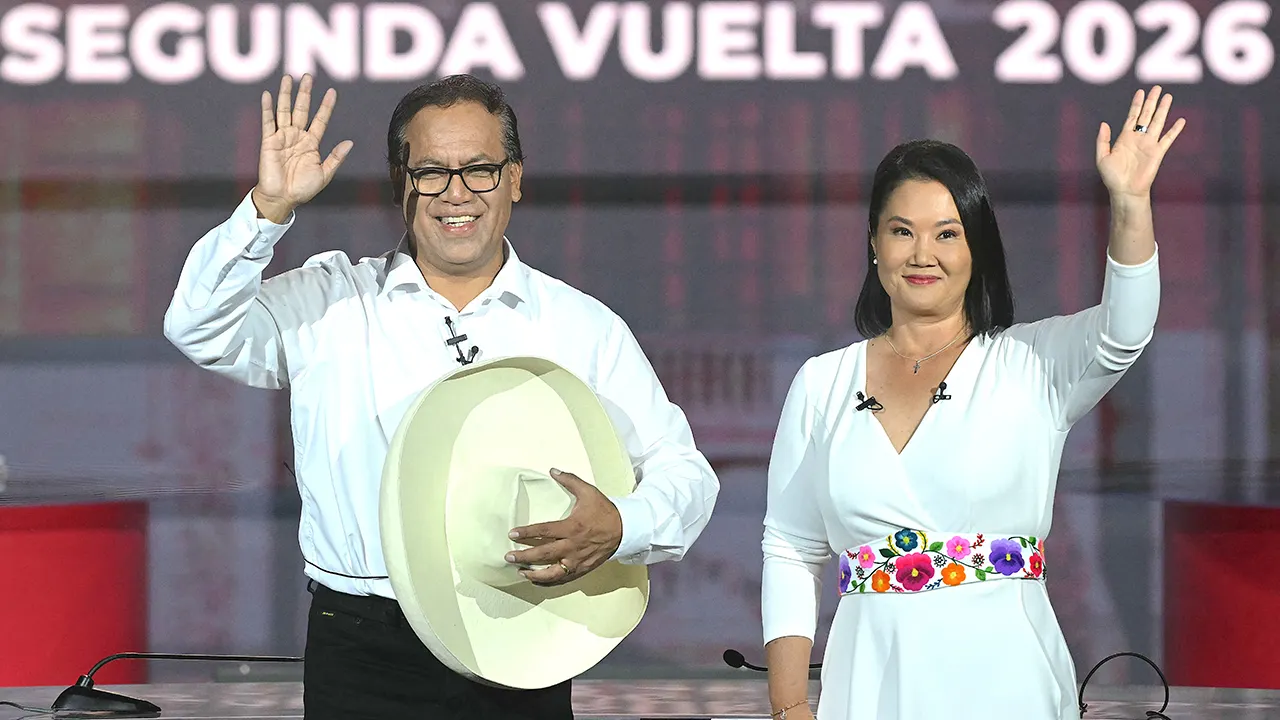
As Peruvians prepare to head to the polls for a pivotal presidential runoff on June 7, the atmosphere across the nation is thick with a mixture of exhaustion and quiet apprehension. For a country that has endured a dizzying succession of eight presidents over the last decade, this election represents far more than a standard democratic transition; it is a desperate search for equilibrium. Over twenty-seven million registered voters, bound by law to cast their ballots, find themselves standing at a historic national crossroads. The choice before them is starkly binary, represented by two deeply polarizing figures who offer entirely different visions for Peru’s economy, social fabric, and place on the world stage. On one side stands Keiko Fujimori, a seasoned conservative campaigning on a platform of rigid law and order, free-market continuity, and unapologetic alignment with the United States. On the other side is Roberto Sánchez, a left-wing challenger whose populist movement capitalizes on the deep-seated grievances of Peru’s long-ignored rural and working-class populations. As the election approaches, the deep geographical and social divides that have long fractured the country—chiefly between the affluent, coastal urban capital of Lima and the impoverished, mineral-rich Andean highlands—have broken wide open, turning this election into a referendum on the very identity of the Peruvian state.
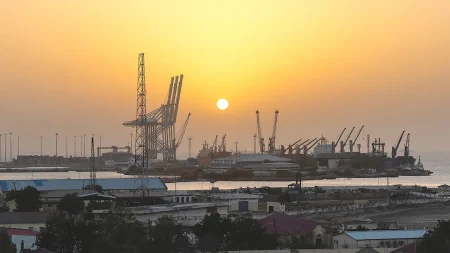
Beyond the immediate domestic concerns of inflation, street crime, and government corruption, the outcome of this election carries massive geopolitical consequences that are being watched closely from Washington to Beijing. Peru is not merely another South American nation undergoing political turmoil; it is a vital geostrategic prize, boasting some of the world’s largest proven copper reserves and serving as a massive global producer of gold. José Ignacio Beteta, the executive director of the Peruvian think tank Asociación de Contribuyentes, points out that this election is effectively a referendum on Peru’s alignment within the framework of the United States’ National Security Strategy. For years, Peru’s chronic institutional weakness has created a political vacuum that China has eagerly exploited, aggressively expanding its footprint into critical infrastructure and strategic resource sectors. The most tangible symbol of this eastern tilt is the recently operational Chancay mega-port, a multi-billion-dollar Chinese-state-backed project that promises to rewrite maritime trade routes across the Pacific. In response, Washington has scrambled to maintain its influence, offering to renovate obsolete Peruvian naval bases and proposing rival investments in large-scale port projects. Consequently, the vote on June 7 is a critical geopolitical fork in the road: the electorate will either choose to consolidate Peru’s traditional alliance with the United States or allow the nation to drift deeper into China’s economic orbit, cementing a shift that could permanently alter the balance of power in the Western Hemisphere.
For Keiko Fujimori, this election is a high-stakes bid to finally secure the presidency after multiple narrow defeats, framing herself as the ultimate guardian of democratic institutions, legal certainty, and economic freedom. Fujimori’s campaign is explicitly designed to appeal to those who fear a descent into leftist authoritarianism, promising to restore public security and cultivate an attractive environment for international investors. In conversations regarding her vision, Fujimori has emphasized that her foreign policy will prioritize Peru’s national interests through a relationship of mutual respect, enhanced security cooperation, and robust trade promotion with the United States. She has expressed enthusiasm for renewed engagement with Washington, noting that Peru’s strategic geographic position makes it an ideal partner for American economic and security initiatives in the region. Supporters view her as a pragmatic, highly educated leader—pointing to her academic ties to institutions like Florida International University—who understands that the key to poverty reduction lies in private enterprise and foreign direct investment rather than state-led intervention. By offering a predictable regulatory framework and promising to crack down on the violent crime that has plagued Peru’s cities, Fujimori seeks to position the country as a safe harbor of free-market capitalism in an otherwise volatile region.
In stark contrast, Roberto Sánchez represents a radical departure from the status quo, championing a platform that has sent shockwaves through Peru’s business community and traditional political elite. Sánchez’s campaign feeds on the profound resentment of millions of citizens who feel that Peru’s decades of mineral-fueled economic growth have failed to improve their daily lives. According to legal expert and political analyst Lucas Ghersi, Sánchez represents a radical left-wing ideology that advocates for the nationalization of strategic resources, aggressive expropriations, and a foreign policy aligned with authoritarian leftist regimes in Venezuela and Bolivia. His opposition to traditional Western security cooperation was laid bare during the presidential debates, where he bitterly criticized Peru’s planned purchase of F-16 fighter jets from the United States, arguing that such funds would be far better spent on the country’s crumbling healthcare and public education systems. However, Sánchez’s candidacy is also dogged by serious controversies; critics and opponents have accused him of maintaining cozy relationships with illegal mining operations and drug trafficking networks that operate in the lawless regions of the Peruvian jungle. For his detractors, a Sánchez presidency threatens to plunge Peru into economic isolation, dismantle the rule of law, and trigger severe diplomatic friction with Washington, turning a once-reliable American partner into a hostile state.
The sheer intensity of this political polarization has left the Peruvian electorate deeply anxious, with many feeling trapped between two highly flawed choices as they prepare to fulfill their civic duty. Under Peruvian law, voting is strictly mandatory for all citizens between the ages of 18 and 70, meaning that more than 27 million people will actively participate in deciding the country’s fate, whether they are politically engaged or simply wishing to avoid government fines. On the ground, the mood is far from enthusiastic; rather, it is characterized by a profound weary skepticism born of years of systemic corruption scandals that have tarnished nearly every living former president of the country. Ordinary citizens—from the street merchants of Lima’s sprawling markets to the farmers tilling the soil in the Sacred Valley—express a collective desire for simple, everyday stability: safe streets, reliable jobs, functioning hospitals, and schools that can give their children a better future. Political analysts warn that because the electorate is so deeply and evenly divided, the election results are expected to be razor-thin. This raises the alarming specter of a prolonged, contested count that could drag on for days, potentially sparking widespread civil unrest and further damaging the nation’s fragile democratic fabric before a single official ballot is certified.
Ultimately, the outcome of Peru’s election will serve as a crucial barometer for the broader political pendulum of Latin America, which has swung violently between ideological extremes in recent years. A victory for Keiko Fujimori would solidify a growing center-right, pro-Western bloc in South America, aligning Peru with nations like Argentina under Javier Milei and Ecuador under Daniel Noboa, both of whom have championed market-oriented reforms and closer security cooperation with the United States. Conversely, a victory for Roberto Sánchez would represent a significant triumph for the region’s left-wing movements, adding Peru to a list of major regional powers that have sought to distance themselves from Washington’s influence and chart a more nationalistic path. As the world watches, the people of Peru are preparing to cast their votes not just for a president, but for a fundamental direction. Whether they choose the familiar path of capitalistic, U.S.-aligned stability represented by Fujimori, or the unpredictable, revolutionary promises of Sánchez’s left-wing populist movement, the decision made on June 7 will echo far beyond the Andes, reshaping the geopolitics of South America for a generation to come.