






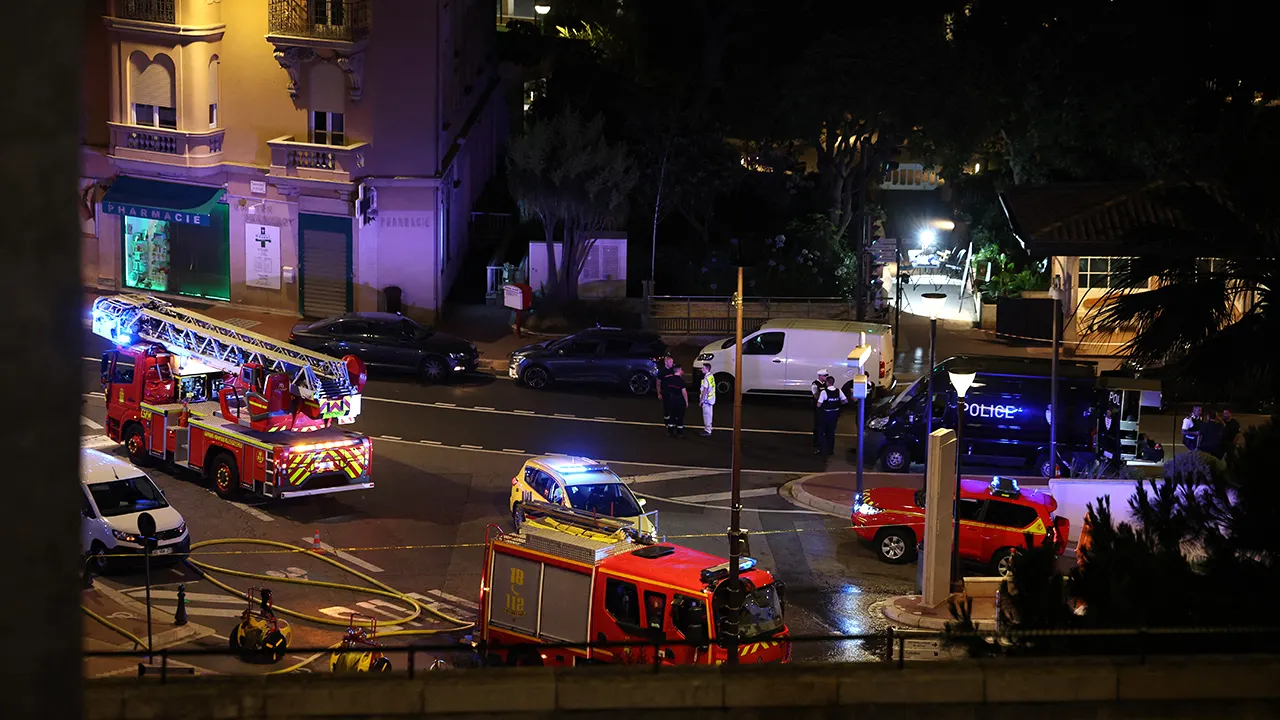
Monaco has long been celebrated as a glittering haven of tranquility, a sun-drenched sanctuary nestled along the French Riviera where personal safety is not just expected but woven into the very fabric of daily life. For generations, its residents, workers, and international visitors have walked its winding streets under the comforting assumption that this quiet principality was entirely insulated from the chaotic violence that frequently dominates the global news cycle. However, this long-standing illusion of absolute security was shattered on a quiet Monday evening. Just before nine o’clock, as the dusk-settled streets of central Monaco were beginning to quiet down, a devastating blast ripped through the air near the entrance of a residential building. The sudden, deafening roar of a makeshift explosive device transformed an otherwise peaceful night into an immediate scene of chaos, panic, and sheer disbelief. The physical shockwave from the explosion blew out windows and left a trail of debris, but the psychological shockwave was far more profound, reverberating instantly through the hearts of the local populace. In a matter of seconds, the gentle hum of Monaco’s evening ambiance was replaced by the frantic wails of approaching sirens and the terrified cries of bystanders, forcing an immediate, painful confrontation with the reality of unexpected tragedy.
In the immediate aftermath of the explosion, investigators scrambled to piece together how such a devastating device could have been placed undetected in the heart of the principality. The answer came swiftly through the lens of modern security technology, which plays a pivotal role in maintaining Monaco’s reputation for safety. Surveillance video footage captured near the scene revealed a chillingly calculated sequence of events that unfolded in the moments leading up to the disaster. The video appeared to show a lone man, walking calmly through the area, who paused to leave an ordinary-looking backpack near the entrance of the residential building before vanishing into the shadows. Just moments after his departure, the backpack—later described by Monaco’s prosecutor general as a “parcel bomb”—detonated with catastrophic force. The calculated coldness of the act, captured in grainy security frames, added a layer of profound dread to the investigation, highlighting how easily a mundane, everyday object can be weaponized to inflict maximum harm on unsuspecting civilians. Investigators have poured over every frame of the footage, analyzing the suspect’s movements, clothing, and demeanor in a desperate bid to identify him, recognizing that every second he remains at large poses an ongoing threat.
As the physical investigation got underway, the true, heartbreaking dimension of the tragedy was unfolding in local medical wards where several innocent bystanders were being treated for their injuries. For two individuals, the night quickly became a desperate struggle for survival, as Christophe Mirmand, Monaco’s minister of state, confirmed that they had sustained critical, life-threatening injuries. The human toll of the attack instantly mobilized emergency services on both sides of the border, demonstrating the deep-seated empathy and solidarity that unites the region in times of crisis. Knowing that time is the ultimate enemy in the critical hour of trauma medicine, French emergency crews rushed across the border to assist their Monégasque counterparts in treating and transporting the wounded. Outside the hospital walls, families and loved ones gathered in agonizing suspense, their lives upended in a single, fiery instant as they waited for updates from doctors. The community’s collective heart broke for these victims, whose ordinary evening walk or return home had ended in a medical nightmare, reminding everyone of the fragile thread upon which human life hangs during acts of sudden, indiscriminate violence.
What makes this event so profoundly jarring is its sheer lack of precedent in the modern history of the principality, which is widely regarded as one of the safest places in the world. Monaco is a place where high-profile crime is virtually nonexistent, and the local police force is highly respected for its constant, comforting presence. Minister of State Christophe Mirmand encapsulated this collective state of disbelief when he told reporters that no event of this nature had ever occurred in the principality before. This sentiment of shocked disbelief echoed through the halls of government and onto the streets, where residents wrestled with the realization that their peaceful way of life had been targeted. The explosion was not just an attack on physical infrastructure or the individuals who happened to be nearby; it was an assault on the very concept of Monaco as a safe harbor. In the wake of the blast, local businesses closed early, and neighbors huddled together on balconies and street corners, speaking in hushed, anxious tones about a level of danger they had never before had to consider.
Recognizing that the perpetrator could easily exploit the open borders of the European region to escape, authorities in both Monaco and France immediately launched a tightly coordinated, massive joint manhunt. The French Interior Ministry quickly mobilized resources to support Monaco’s security forces, turning the picturesque coastlines and mountain passes of the French Riviera into a dragnet of checkpoints and intensive patrols. The political leadership of nearby French cities was quick to express solidarity and outrage over the attack, reinforcing the deep regional bonds that transcend national borders. Eric Ciotti, the mayor of neighboring Nice, took to social media to voice his deep condemnation of the incident, labeling it a tragedy that struck at the core of Monaco and offering his total, unwavering support to the emergency services working tirelessly on the ground. Similarly, Alexandra Masson, the mayor of nearby Menton, extended her deepest thoughts to the victims and their families, emphasizing the close-knit bonds of friendship and cooperation that unite the communities of the Franco-Monégasque border during such an unprecedented ordeal.
While the investigation continues to unfold and police search frantically for the suspect, the people of Monaco are left to pick up the pieces of their shattered peace and find a path forward. The physical scars of the blast will eventually be repaired, but the emotional healing of the community will take far longer as residents adjust to a heightened sense of vigilance. Amid the fear and confusion, however, a powerful spirit of resilience and solidarity has begun to emerge among the residents, who are determined not to let fear dictate their lives or redefine their beloved home. The outpouring of support from neighboring French towns serves as a comforting reminder that they do not stand alone in this dark hour, and that unity is a powerful shield against violence. As the two critically injured victims continue their brave fight for survival in the hospital, the thoughts and prayers of an entire region remain firmly with them and their families. This tragedy has undoubtedly marked a dark and unprecedented chapter in Monaco’s storied history, but it has also revealed a deep well of collective strength and a shared resolve to restore the sanctuary of peace that has defined this coastal jewel for generations.