


A major debate is intensifying across Europe regarding integration, migration, and the willingness of officials to confront organized sexual abuse. This discussion is driven by newly released German crime statistics and an ongoing investigation in Nuremberg, Germany, concerning the alleged sexual exploitation of teenage girls near the city’s central railway station. According to data provided by the German federal government in response to an inquiry by the opposition Alternative für Deutschland party, Germany recorded 751 cases categorized as group rapes in 2025. These figures were generated by filtering rape cases where suspects were listed as not acting alone, rather than representing a standardized criminal offense category.
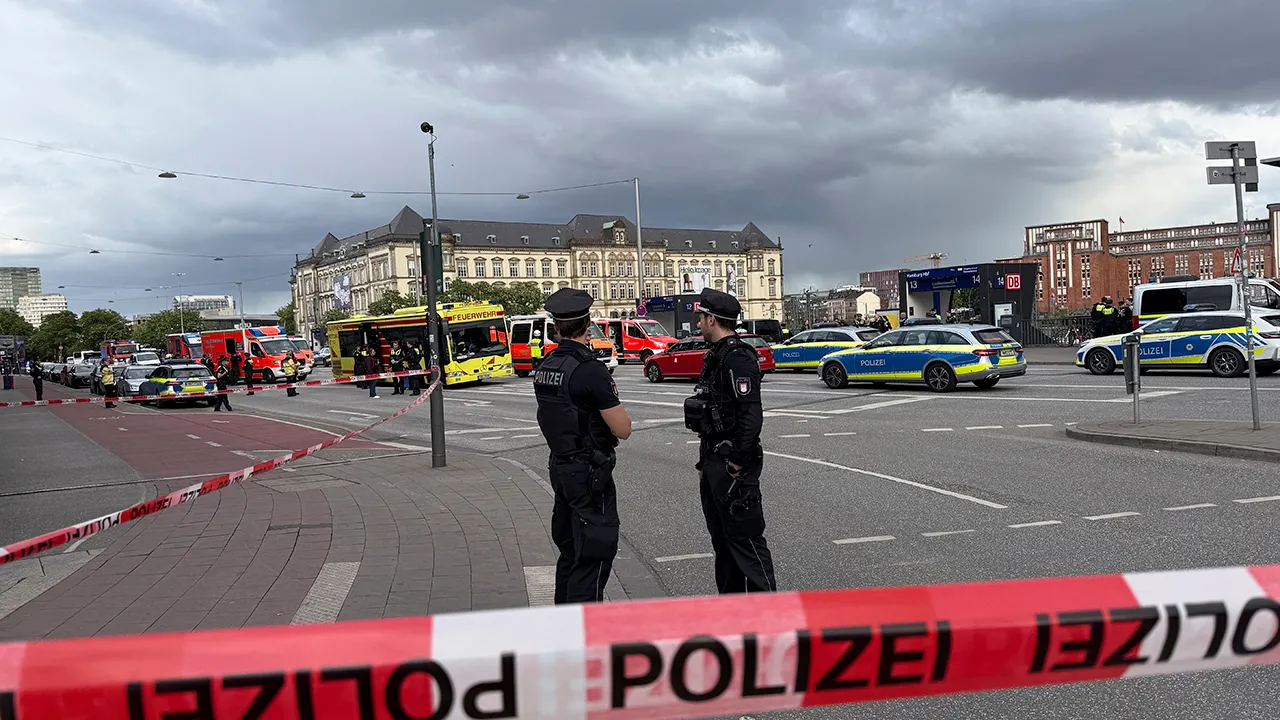
Within these group rape cases, police identified 1,087 suspects, consisting of 509 German citizens and 578 foreign nationals. Among the non-German suspects, Syrian nationals represented the largest group with 110 individuals, followed by 64 Afghan nationals, 46 Iraqi nationals, and 44 Turkish nationals. German officials emphasized that these statistics compile suspects identified during investigations rather than individuals convicted in court. Meanwhile, in Nuremberg, the specialized police task force “EKO Kajal” has expanded its investigation into allegations that vulnerable girls were lured into exploitative networks. Authorities report that suspects targeted young women from unstable backgrounds by offering attention, gifts, and cosmetics, before introducing hard drugs like crystal meth to exploit their resulting dependency.
The Nuremberg investigation has led to the pretrial detention of ten suspects facing charges related to sexual offenses against minors and drug distribution. Recent arrests include a 21-year-old Syrian man accused of raping two teenage girls, aged 15 and 18, inside a Nuremberg apartment, and a 40-year-old Syrian man accused of providing the victims with narcotics. Analysts, including Emma Schubart of the London-based Henry Jackson Society, note that these tactics closely mirror grooming-gang operations previously uncovered in several British cities. Schubart argues that authorities in both Germany and the United Kingdom have struggled with insufficient immigrant screening and inadequate long-term integration programs, which can lead to social isolation and allow underground criminal networks to operate with minimal oversight.
This pattern of exploitation intersects heavily with narcotics distribution, as drug-trafficking networks often facilitate sex trafficking across various regions. Schubart disputes the idea that socioeconomic factors alone explain the statistical disparities in these offenses, asserting that native citizens from similar economic backgrounds do not exhibit equivalent rates of group sexual offenses. The situation draws direct comparisons to previous British grooming scandals in towns like Rotherham and Rochdale, where official audits revealed that local authorities and police departments repeatedly ignored warning signs of systematic abuse, sometimes out of a desire to avoid damaging local community relations or fostering public tension.
A national audit published by the British government in June 2025 concluded that inconsistent definitions and a lack of standardized data collection made it difficult to determine the exact national scale of group-based child exploitation in the UK. While some localized datasets showed a disproportionate representation of specific ethnic minorities among suspects, researchers warned against broad generalizations. Conversely, academic studies in Germany suggest a more complex relationship between migration and crime rates. A February 2025 report by Germany’s ifo Institute analyzed district-level police data from 2018 through 2023 and found no overall correlation between an increasing foreign or refugee population and local crime rates, attributing differences in suspect rates to demographic variables such as age, gender, and urban density.
The broader migration discourse in Germany also highlights the significant contributions of foreign nationals to critical sectors facing labor shortages. For example, data from the German Medical Association revealed that 7,959 Syrian citizens were practicing medicine in Germany by the end of 2025, representing the largest single group of foreign doctors in the country. These contrasting realities present European policymakers with the complex challenge of thoroughly investigating and prosecuting organized exploitation without reinforcing broad generalizations about entire immigrant communities.