


The Syrian Crisis: Kurdish Allies Under Threat
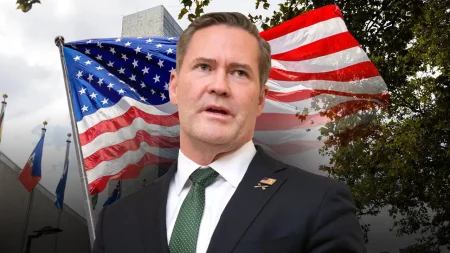
In a growing humanitarian crisis that has caught bipartisan attention in Washington, Syrian Kurdish populations face an existential threat as Syrian government forces advance into territories long held by U.S.-allied fighters. Senator Lindsey Graham and former Secretary of State Mike Pompeo have both issued urgent warnings about the deteriorating situation, highlighting a rare moment of political unity around protecting those who were instrumental in defeating ISIS. “There is strong and growing bipartisan interest in the U.S. Senate regarding the deteriorating situation in Syria,” Graham wrote on social media. “There is strong consensus that we must protect the Kurds who were there for us in destroying the ISIS caliphate.” Pompeo echoed this sentiment with his own stark assessment: “Turning our backs on our Kurdish allies would be a moral and strategic disaster.”
The situation has become increasingly complicated following statements from U.S. Ambassador to Turkey Tom Barrack, who also serves as Special Envoy for Syria. His recent social media comments suggested the U.S. partnership with the Syrian Democratic Forces (SDF) may have concluded, pointing to fundamental changes in Syria. “Today, the situation has fundamentally changed,” Barrack stated. “Syria now has an acknowledged central government that has joined the Global Coalition to Defeat ISIS, signaling a westward pivot and cooperation with the U.S. on counterterrorism.” This apparent shift in U.S. policy has alarmed Kurdish leaders, who view it as potential abandonment at a critical moment. The SDF, a predominantly Kurdish force, was formed in 2013 to counter the rapid expansion of ISIS and became America’s most effective ground partner in defeating the terrorist organization’s territorial caliphate by 2019.
Kurdish politicians and representatives have expressed deep concern about what they perceive as inadequate American support in the face of existential threats. Ilham Ahmed, a prominent Syrian Kurdish politician, told Fox News Digital, “We really wished to see a firm position from the U.S. The Kurdish people are at the risk of extermination. The U.S. does not give any solid or tangible guarantees.” Ahmed expressed particular concern about the composition of Syrian government forces, warning that “the Syrian army is still consisting of radical factions that no one can trust. Alawites, Christians, Sunnis and Druze cannot trust these factions. We could face massacres, which happened in other Syrian cities.” The situation is further complicated by allegations of Turkish involvement, with Ahmed claiming, “Turkey stands behind the attacks on our region. Turkish intelligence and small groups are leading attacks. Statements from Turkey are encouraging the extermination of our people.”
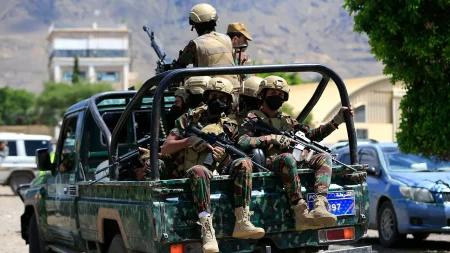
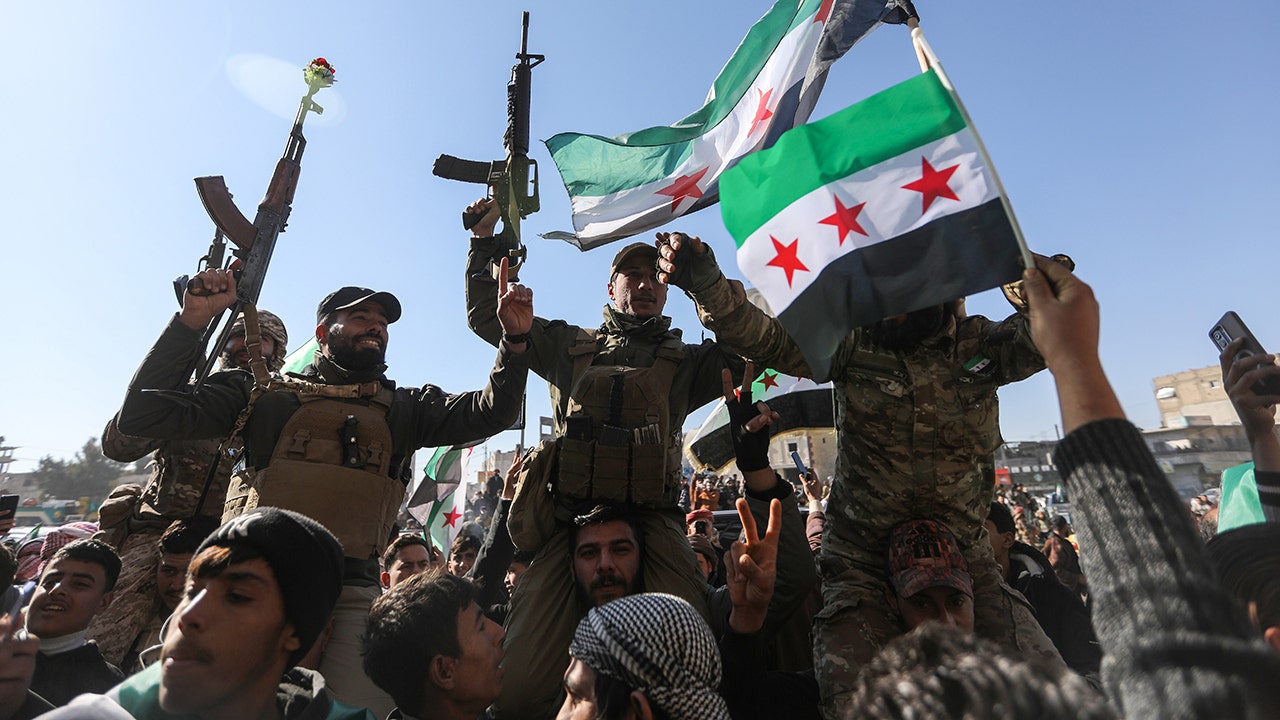
The current crisis centers around Syrian President Ahmed al-Sharaa, who earlier this month ordered his army to conquer territory controlled for more than a decade by the U.S.-allied SDF. This development has raised serious concerns among U.S. officials and observers, particularly given al-Sharaa’s reported past connections to extremist groups including ISIS and al-Qaeda. Tony Perkins, president of the Family Research Council, expressed skepticism about trusting the Syrian leader, noting, “Before we place trust in al-Sharaa, a former al Qaeda insurgent who fought U.S. forces in Iraq and was held at Abu Ghraib, he has to show he is trustworthy. So far, he is failing the test.” These concerns are amplified by fears that the collapse of SDF control could potentially lead to ISIS prison breaks and a resurgence of terrorist activity in the region.
The apparent shift in U.S. policy has highlighted a fundamental misalignment in how American and Kurdish officials view their relationship. Sinam Mohamad, the representative of the Syrian Democratic Council to the United States, articulated this disconnect: “American officials continue to describe the SDF as a reliable partner in that narrow mission. Washington avoids framing the relationship as a political alliance. The U.S. never intended a long-term political commitment to the Syrian Kurds. It was a military partnership without political guarantees. From Washington’s view, that’s consistency. From the Kurdish view, that’s betrayal.” This sentiment reflects the broader frustration among Kurdish leaders who feel their sacrifices in the fight against ISIS—including thousands of fighters lost—have not been appropriately recognized or rewarded with lasting political support.
While a temporary 15-day ceasefire has been announced, both Kurdish representatives and international observers note continued Syrian government troop buildups near Kurdish-held areas, suggesting conflict could resume at any moment. Kurdish leaders are advocating for a negotiated solution that provides special status for their region in northeastern Syria, allowing them to maintain autonomy while avoiding further bloodshed. “The Kurds want to have peace and stability through negotiations,” Mohamad emphasized. As this crisis unfolds, the international community faces critical decisions about whether and how to protect a vulnerable ally that played an instrumental role in defeating one of the most dangerous terrorist organizations in recent history. The response will not only determine the fate of Syria’s Kurdish population but also send a powerful message about America’s reliability as a partner in future conflicts around the world.