





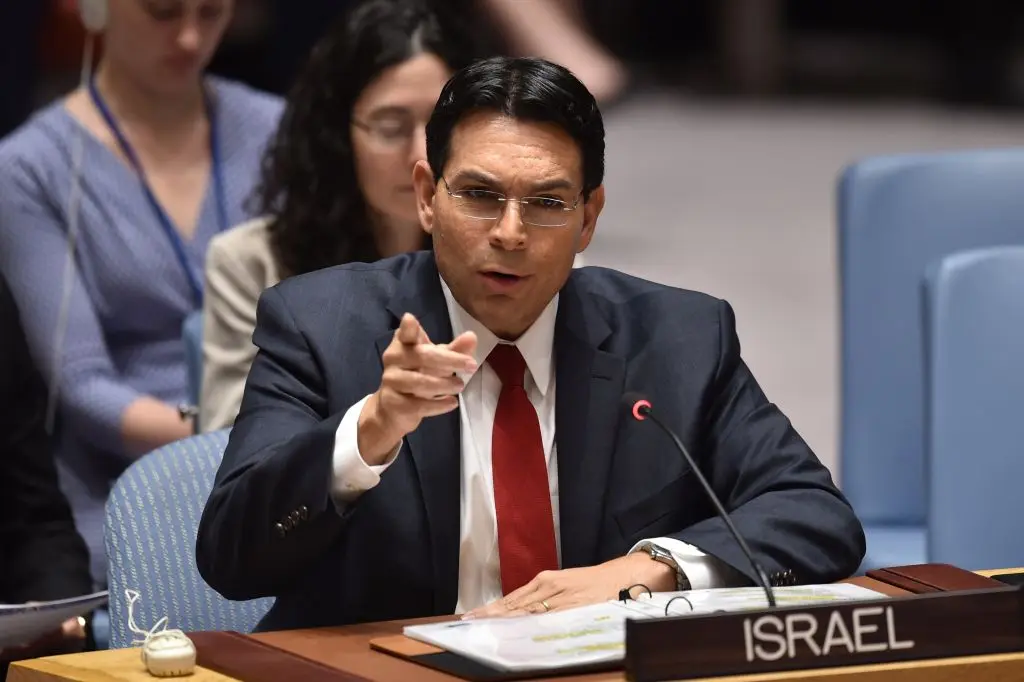
The cold, sterile halls of the United Nations are typically defined by a quiet, calculated decorum, where grievances are masked in diplomatic pleasantries and geopolitical maneuvers are executed with whispered precision. However, during a recent meeting marking the International Day for the Elimination of Sexual Violence in Conflict, that carefully maintained veneer shattered completely, giving way to a raw, deeply emotional confrontation that exposed the boiling frustrations at the heart of the Israeli-UN relationship. Israeli Ambassador Danny Danon erupted in an unbridled display of anger, directing his fierce indignation toward Vanessa Frazier, who was representing the UN Secretary-General’s efforts regarding children and armed conflict. The resulting exchange was not merely a debate over policy, but a visceral human clash, characterized by raised voices, sharp interruptions, and an intense battle for control of the narrative. This explosive moment highlighted a profound systemic fracture, revealing how deeply personal the stakes have become for Israeli diplomats who feel their country is being systematically isolated and unfairly judged on the global stage.
The confrontation escalated rapidly as Danon and Frazier began shouting over one another, discarding the polite protocol that usually governs UN deliberations. Danon slammed the UN and Frazier for what he perceived as a cowardly submission to organizational bias, yelling that she had “caved to the pressure” and surrendered to “the Secretary General’s obsession with targeting Israel.” When Frazier tried to interject and defend the institution’s position, the exchange dissolved into a fierce shouting match, with Danon repeatedly commanding her to be quiet and respect his right to speak. “No, you will be quiet, because I’m speaking now!” Danon bellowed, his voice echoing through the chamber as he accused her of participating in a coordinated effort to bully his nation. He went so far as to tell her to walk out of the meeting if she could not bear to listen to his criticisms, shouting “Shame on you!” multiple times to underscore his utter contempt for the proceedings. This raw, unfiltered dialogue laid bare the immense emotional toll of international diplomacy during times of war, transforming a standard committee meeting into a microscopic view of a broader, bitter geopolitical struggle.
At the core of Danon’s intense outrage is a decision that Israel views as an unforgivable moral betrayal: the United Nations’ placement of Israeli entities on its notorious sexual violence blacklist. In May, the UN Secretary-General’s office included the Israel Defense Forces, the Israel Prison Services, and the country’s border police Counter Terrorism Unit in the annex of its annual Conflict-Related Sexual Violence report. To be categorized under this label—especially alongside groups like Hamas, ISIS, and Boko Haram, which are globally recognized for orchestrating horrific, systematic campaigns of terror and sexual violence—represents a devastating reputational blow for a democratic state. For Israel, this is not just a diplomatic dispute but a profound moral insult, grouping their national defense forces with the very terrorists who perpetrated the brutal massacres of October 7. Danon’s office has bitterly described this blacklisting as a “moral disgrace” and a permanent “dark stain” on the legacy of Secretary-General António Guterres, emphasizing the deep sense of wounding and alienation felt by Israelis who believe the UN has completely lost its moral compass.
The anger in the room was further fueled by the notable absence of Pramila Patten, the UN’s Special Representative on Sexual Violence in Conflict, who had been invited to the session but did not attend. Danon seized on this absence, publicly calling for Patten’s immediate resignation and accusing her of lacking the courage to face the Israeli delegation and defend her controversial findings. When Frazier attempted to stand up for her colleague, Danon immediately rebuffed the gesture, shouting that Patten’s choice not to be present was “shameful” and refusing to let Frazier speak on her behalf. Although Patten’s office later clarified to the media that her absence was entirely due to an ongoing illness that had kept her out of the office since mid-June—a fact they claimed was communicated well before the meeting—the optics of an empty chair only served to intensify the dramatic confrontation. This clash over an absent official highlighted the chaotic, vulnerable nature of international bureaucracy, where personal health struggles, poor communication, and intense political theater collide to create moments of profound discord.
Beyond the shouting and the personal broadsides, a deeper, more fundamental dispute rages over the integrity of the UN’s investigative processes and the validity of the evidence used to blacklist Israel. Danon argued passionately that Israel had made earnest efforts to cooperate with the international body, but that the UN had failed to independently verify the allegations or provide Israel with a fair, unbiased opportunity to address the claims before publishing the damning report. He accused the UN representatives of lending their immense institutional credibility to what he described as a politically motivated smear campaign, asserting that the stain of these falsehoods would ultimately rest on the UN itself rather than on Israel. In sharp contrast, Patten’s office vigorously disputed Danon’s claims of cooperation, stating that a critical, mutually agreed-upon investigative visit scheduled for early spring had to be suspended due to the outbreak of direct conflict in the region. This procedural impasse illustrates a tragic, recurring paradox of international oversight: the very violence and geopolitical instability that make independent investigations so desperately necessary also serve as the primary obstacles preventing the truth from being clearly established on both sides.
As the dust settles from this extraordinary confrontation, the diplomatic fallout continues to ripple through the international community, leaving the relationship between Israel and the United Nations at an all-time low. With Israel formally freezing relations with the Secretary-General’s office and preparing to file a formal complaint over the hostile interruptions during the meeting, the path toward constructive dialogue seems completely blocked. This bitter institutional warfare ultimately casts a long, tragic shadow over the true, vital mission of the United Nations: protecting vulnerable civilians and eradicating the horrific scourge of sexual violence in conflict zones. When the very forums built to foster global cooperation devolve into arenas of shouting, mutual distrust, and intractable political theater, the human cost is immense. It leaves a fractured world where the search for truth, justice, and accountability for victims of violence is tragically overshadowed by the deafening clamor of diplomatic dysfunction and geopolitical rage.