


The Dramatic Unveiling of a Hidden Threat
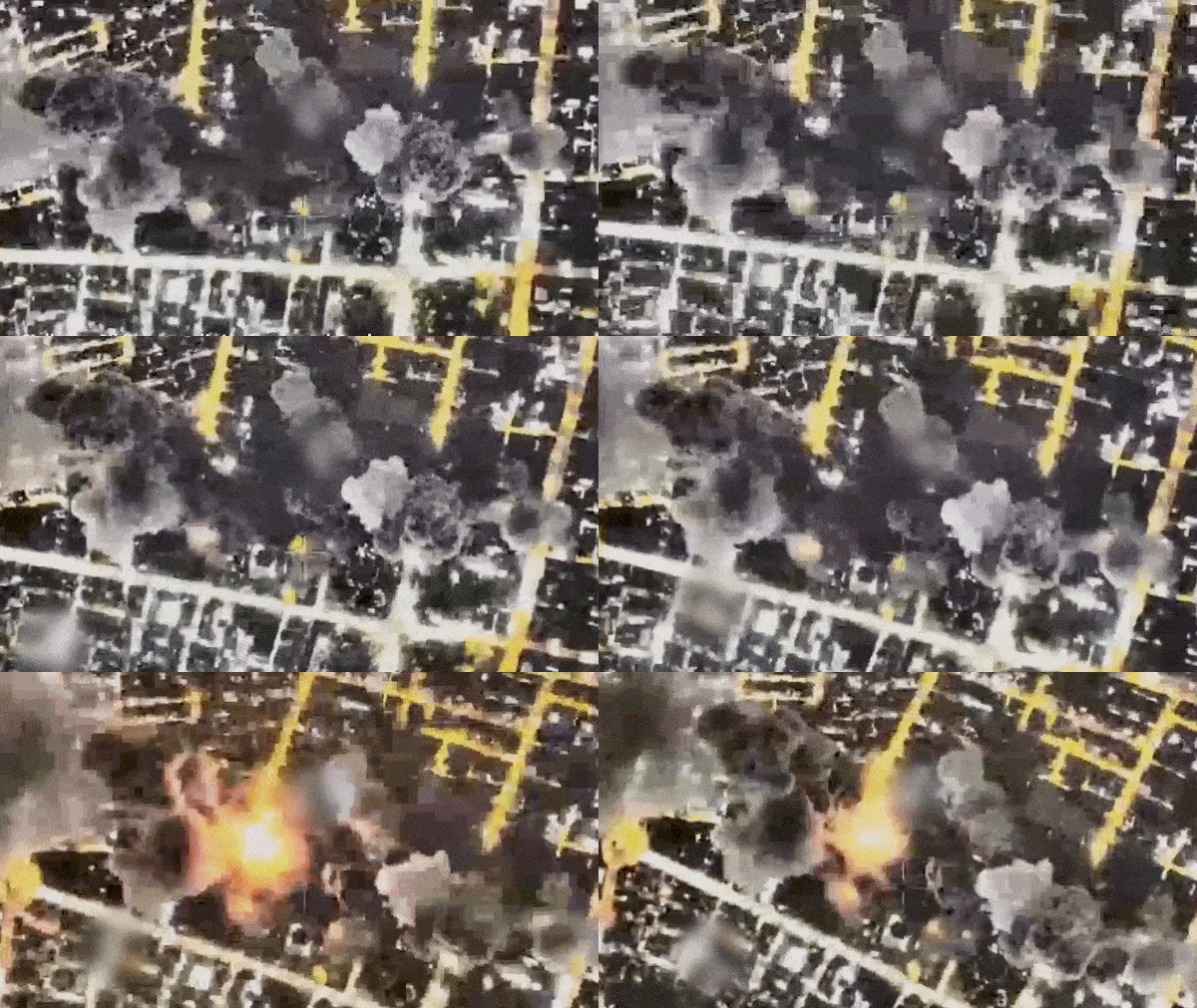
In the heart of Tehran, a clandestine world once thrived beneath the streets, a symbol of paranoia and power for an elusive leader. The Israel Defense Forces (IDF) made a stunning announcement on Friday, revealing that they had dismantled the underground bunker built by former Iranian Supreme Leader Ayatollah Ali Khamenei. This wasn’t just any secret facility; it was a sprawling, fortified lair designed as a hub for military machinations and the propagation of extremist ideologies aimed squarely at Israel and the broader Western world. Imagine the shock of realizing that right under the noses of Iran’s ruling elite, this subterranean complex had been exposed and neutralized. The IDF described it as a testament to Khamenei’s obsessive caution, a place where he could orchestrate plots in darkness, far from prying eyes. For many, this news felt like a page torn from a spy thriller, where the villain’s lair is finally raided, bringing a sense of justice to the daylight. It spanned multiple streets in central Tehran, a web of tunnels and chambers that had eluded global scrutiny for years, funded by millions of dollars siphoned from the regime’s coffers. As details emerged, it painted a picture of a man who lived in constant fear of retribution, yet believed himself untouchable—a hubris that would ultimately lead to his downfall.
Deepening the intrigue, the IDF shared an illustrated video that vividly illustrated the bunker’s layout. Picture this: unassuming entry points scattered across the city, masquerading as ordinary access ways, leading into a labyrinth of reinforced tunnels beneath the earth. These weren’t just escape routes; they were strategic nodes equipped with meeting rooms for Khamenei and his top lieutenants to plot their agenda. The video animations brought the underground world to life, showing how the compound wove through Tehran’s pulse like an invisible parasite, undermining the very foundation of the metropolis. For ordinary Iranians walking those streets, unaware of the menace lurking below, it must have felt surreal—how could such a massive operation go unnoticed for so long? This bunker represented more than concrete and steel; it embodied the regime’s deep-seated hostility toward Israel and the West, serving as a breeding ground for threats that spanned from cyber warfare to support for proxy militias. Dismantling it wasn’t merely a military triumph; it was a psychological blow, stripping away Iran’s illusion of invincibility. As news spread, the public’s fascination mingled with relief, turning this tale of subterfuge into a shared human experience of outsmarting tyranny.
The climax unfolded in the early hours of Saturday, when Operation Epic Fury unleashed its deadly force. In a lightning strike—lasting less than 50 seconds—almost 50 high-ranking Iranian officials, including Khamenei himself, met their end right above the bunker they trusted as a sanctuary. He was casually situated in his residence when the assault hit, underscoring the brutal irony: the fortress he invested years building offered no refuge. This operation, shrouded in secrecy and precision, showcased Israel’s technological edge and resolve, transforming a routine morning into a historic upheaval. For those watching from afar, it evoked the intensity of a pulse-pounding action film, where heroes strike back against oppression. Khamenei, who had presided over the Islamic Republic for over three decades, was eliminated on the first day of this campaign, his reign marked by iron-fisted control and external provocations. The impact rippled through Iran, forcing a postponement of his farewell ceremony—a lavish event expected to draw massive crowds to mourn a man many secretly resented. As rumors of grief mingled with quiet elation among oppressed citizens, it highlighted the human drama behind geopolitics: the end of a dictator’s chapter, a moment of catharsis for those yearning for change.
Khamenei’s overconfidence played a pivotal role in his undoing, a flaw as human as it was tragic. Sources reveal he spent millions and years constructing the bunker, convinced of its impregnability and that no adversary dared challenge him directly. He misjudged humanity’s capacity for boldness, underestimating Israel’s ingenuity. This was no accident; it stemmed from a masterful deception orchestrated by Israeli and American intelligence. Public reassurances from figures like President Donald Trump signaled peace, lulling Khamenei into complacency—think of it as a masterful poker game, where the opponent is bluffed into lowering their guard. Even IDF commanders staged a deception, heading home on Friday evening, hours before the strike, to plant seeds of false security. It was a symphony of misdirection, blending messaging, signals, and staged normalcy to exploit Khamenei’s blind trust. In humanizing this, we see the relatable underbelly of power struggles: hubris born from isolation, a leader cocooned in yes-men who fed his delusions. For spies and strategists, this was a lesson in psychology, reminding us how even the mightiest can be undone by their own certainty.
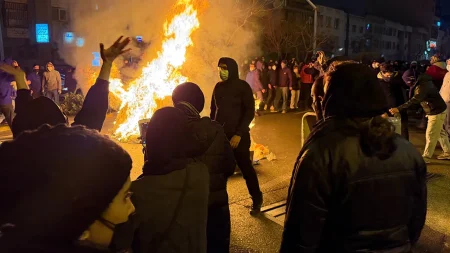
Ali Khamenei’s legacy loomed large over Iran like a dark cloud, shaping the nation’s fate with unforgiving policies. Ruling since the 1980s, he navigated eras of sanctions, nuclear standoffs, and internal dissent, often through ruthless suppression. His tenure witnessed brutal crackdowns on dissenters, epitomized by the January events where protesters were met with force, their voices silenced amid calls for freedom. Abroad, he fueled tensions by backing regional proxies against Israel and the US, stoking conflicts that cost countless lives. Yet, in the eyes of some, he was a complex figure—a religious zealot who mingled piety with political cunning, leaving a legacy of fear and defiance. Humanizing this, one might imagine him as a man driven by conviction, albeit twisted, who justified atrocities as protecting a divine order. For Iranians, especially the youth, his death sparked whispers of hope, a chance to break free from dogma. It wasn’t just the end of a leader; it was a mirror to societal fractures, where ambition clashing with reality led to downfall.
As the dust settles, the broader implications unfold, painting a picture of transformative upheaval. Iran’s postponed farewell ceremony, once intended to unite mourners, now stands as a symbol of disarray and muted grief. With large crowds anticipated, its cancellation reflects the regime’s scramble to maintain control in a post-Khamenei era. For Iran’s people, this moment represents a crossroad—between the shadows of oppression and the light of potential reform. Contributors like Fox News’ Trey Yingst and digital reporters Efrat Lachter and Ruth Marks Eglash brought these details into focus, humanizing the narrative through vivid reporting. In the end, this saga isn’t merely geopolitical theater; it’s a reminder of human resilience against tyranny, where cunning and courage topple fortified illusions. As we process the annals of this operation, we glean empathy for all sides in the cycle of conflict, urging dialogue over destruction. The bunker’s dismantlement closes one chapter, but the echo of Epic Fury lingers, a call for a more just tomorrow.