




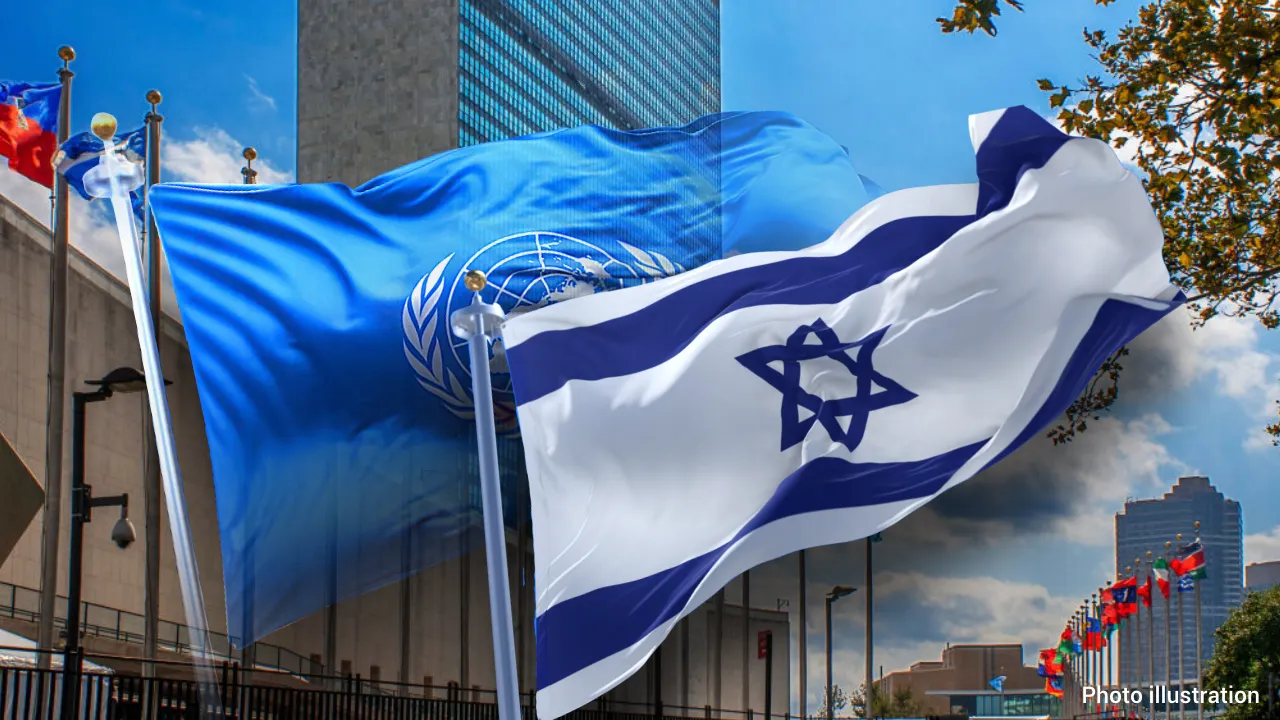
In the deeply fractured landscape of Middle Eastern geopolitics, few topics evoke as much raw, visceral emotion as the safety and survival of children caught in the crossfire of war. The latest report from the United Nations’ Independent International Commission of Inquiry has ignited a furious diplomatic firestorm, accusing the state of Israel of engaging in the “deliberate targeting of Palestinian children” amid its ongoing military campaigns. Released with heavy legal terminology, the document alleges that Israeli security forces have committed systematic war crimes, crimes against humanity, and acts of genocide across both the Gaza Strip and the West Bank, including East Jerusalem. This represents a staggering escalation in the rhetorical warfare playing out on the global stage, one that has plunged the international community into a bitter debate over justice, defense, and the moral fabric of military engagement. For Israel, a nation still reeling from the profound shock of recent conflicts, these accusations represent not just a critique of its military tactics, but a profound assault on its moral legitimacy and its inherent right to defend its citizens from existential terror.
Reacting with intense indignation, Israel’s Ambassador to the United Nations, Danny Danon, vehemently denounced the report, stripping away its bureaucratic veneer to label it a “political blood libel disguised as a U.N. document.” Speaking to the human cost and the structural narrative of the conflict, Danon argued that the commission has consistently shown a predetermined bias, fashioning its conclusions long before investigating the grim realities on the ground. From the Israeli perspective, the report is an exercise in selective morality that willfully ignores the horrifying genesis of the current escalation—specifically, the brutal October 7 massacre, the agonizing plight of hostages still held in dark tunnels beneath Gaza, and Hamas’s well-documented strategy of using its own civilian population, including children, as human shields. Danon’s defense underscores a deep-seated frustration within Israel: the feeling that while the nation battles a ruthless enemy committed to its utter destruction, international institutions have chosen to put the democracy in the dock, ignoring the lived trauma of Israeli citizens who must continually dodge rockets and mourn their own lost innocence in a perpetual struggle for physical and cultural survival.
The response—or lack thereof—from the bureaucratic halls of the United Nations further highlights the deep chasm between institutional rhetoric and geopolitical accountability. While the Commission of Inquiry and the UN Human Rights Council remained silent when pressed for comments regarding the fairness and balance of their findings, Stéphane Dujarric, the spokesperson for UN Secretary-General Antonio Guterres, quietly distanced the leadership from the controversy, stating simply that it was not the Secretary-General’s report to comment on. This bureaucratic insulation contrasts sharply with the high-stakes, emotional gravity of the allegations themselves, leaving a vacuum where many had hoped for nuanced mediation. For critics of the UN, this hands-off approach from top leadership reinforces the perception of a fragmented and biased organization, where independent commissions are allowed to publish highly inflammatory accusations with minimal internal scrutiny or cross-examination, further eroding the credibility of international bodies in the eyes of a deeply skeptical Israeli public.
On the other side of this deep diplomatic divide, the authors of the report stand firmly behind their sweeping allegations. Srinivasan Muralidhar, the Chair of the Commission, presented a grim portrait of the conflict during his briefing, asserting that empirical evidence points to the deliberate targeting and killing of Palestinian youth by Israeli forces. He lamented that even after ceasefire agreements, child casualties have continued to mount in a heartbreaking cycle of violence, accusing Israel of a systematic disregard for the human rights and protections legally owed to children under international law. Other commission members in Geneva echoed this sentiment, arguing that no objective observer could read the report without concluding that every established international norm has been violated, demanding immediate international accountability. From this perspective, the report is a vital, albeit painful, intervention aimed at giving voice to the voiceless—specifically, the thousands of Palestinian minors who have paid the ultimate price in a conflict of overwhelming firepower, highlighting the immense physical and psychological destruction visited upon a generation of children growing up amidst rubble.
However, the methodology and empathy of the report have faced scathing criticism from human rights advocates who argue that the UN’s concern for children is selectively applied. Anne Bayefsky, President of Human Rights Voices, described the inquiry as a “sham” designed to systematically bypass the rules of fair play, impartial investigation, and due process. Humanizing the often-overlooked victims of the conflict, Bayefsky pointed out a glaring and painful omission: the report’s complete silence regarding the kidnapping and murders of Israeli children, such as nine-month-old Kfir Bibas and four-year-old Ariel Bibas, who became tragic symbols of the October 7 attacks. By erasing these narratives, she argues, the commission has demonstrated a profound moral failure, ignoring the hundreds of thousands of Israeli children who remain deeply traumatized by the fear of looming attacks, mass displacement from threatened borders, and the excruciating, day-to-day anxiety of having parents fighting on the front lines. To Bayefsky, the strategic timing of the report’s public release was deliberately managed to avoid transparent scrutiny, creating a dramatic media spectacle rather than a genuine, balanced search for human rights violations on all sides.
Supporting this critique, military and media analysts have pointed out critical flaws in the report’s depiction of the modern theater of war. Former Israel Defense Forces spokesperson Jonathan Conricus and media analyst Salo Aizenberg argue that the document constructs a “fictional battlefield”—an idealized world where militant groups like Hamas and Palestinian Islamic Jihad do not exist, and where heavily fortified sites like hospitals are treated as pristine, purely civilian spaces. By disregarding the overwhelming intelligence showing that militants systematically infiltrate and weaponize these civilian institutions, the report presents military responses as unprovoked, wanton aggression. Furthermore, analysts note that the commission routinely misuses testimonies, such as relying on medical professionals to offer forensic military opinions about the specific weapons used to inflict wounds—a task far outside their medical expertise. Critics argue that this flawed methodology does not protect children on either side, but instead actively fuels antisemitic sentiments and delegitimizes Israel’s defense. Ultimately, the controversy reveals a tragic reality: as long as international reports are weaponized for political gain, the genuine human suffering of both Palestinian and Israeli children will continue to be overshadowed by a relentless war of narratives.