

The Shifting Dynamics in U.S.-Iran Relations
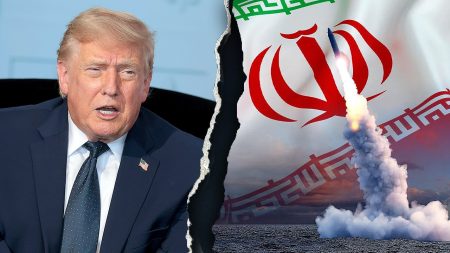
In a surprising turn of events, President Donald Trump abruptly canceled his planned talks with Iranian officials in Islamabad, Pakistan, just days after Tehran presented a facade of unity. This decision came amid growing perceptions of internal strife within Iran’s leadership, which Trump publicly criticized as “infighting and confusion.” The move underscored a broader strategy shift from the Trump administration, emphasizing its perceived leverage over Iran. Iranian-American analysts pointed out that social media posts from key figures like Supreme Leader Mojtaba Khamenei, President Masoud Pezeshkian, and others revealed cracks in the regime’s long-used “good cop, bad cop” narrative. This tactic had previously fooled Western negotiators into offering concessions during nuclear talks by portraying moderates as advocates pushing back against hardliners. Now, however, that illusion seemed shattered, leaving the regime exposed and potentially weakening its position abroad. Trump’s announcement on Truth Social wasn’t just about saving time on travel or focusing on domestic work; it was a pointed jab at Iran’s disarray, with the president claiming the U.S. held all the cards. This cancellation might signal a pivotal moment, where the traditional divide between Iran’s factions no longer deceives external powers, forcing a reevaluation of how the West engages with this influential Middle Eastern nation.
Experts from within Iranian diaspora circles have long argued that this division was more myth than reality, designed to manipulate global perceptions. Mariam Memarsadeghi, a seasoned voice on Iranian affairs, explained to Fox News that the Islamic Republic has historically deployed “moderates” as mere window dressing for its aggressive policies in terrorism and repression. By lamenting pressure from “hardliners,” these figures secured better deals in negotiations, all while the core machinery of the state—bolstered by entities like the Islamic Revolutionary Guard Corps—remained untouched. Memarsadeghi highlighted the current war dynamics, which she believes place the Trump administration in an unprecedentedly strong spot, akin to an uncharted opportunity to dismantle what she calls the “world’s top sponsor of terror.” She cautioned, however, that Trump’s rhetoric about impending regime change risks squandering this advantage, denying America a chance to truly neutralize the threats Iran poses to its people and beyond. This perspective resonates with many who view the internal “fights” not as genuine ideological battles, but as scripted performances to maintain power. It’s a reminder that beneath the surface of factionalism, Iran’s leadership is remarkably cohesive when it comes to projects like nuclear development and regional aggression, making any Western concessions a gamble that only prolongs the status quo.
Trump himself fueled the narrative of chaos through his candid social media outbursts, painting a picture of a bewildered Iranian regime in his posts on Truth Social and X. He described the “Hardliners” as battlefield losers grappling with “Moderates” who, despite their label, weren’t all that accommodating—and yet seemed to be gaining ground in some inexplicable power game. This “craziness,” as Trump put it, reflected a broader implosion of the hardliner-moderate dichotomy, potentially reshaping how atomic talks pan out. His commentary wasn’t subtle; it was a direct challenge, accusing Iran of not knowing its own leadership. For observers, this wasn’t just political theater; it hinted at deeper vulnerabilities. Trump’s emphasis on holding all the cards—implying the U.S. could dictate terms without compromise—shifted the leverage firmly toward Washington. This approach, while bold, raises questions about whether such public posturing accelerates meaningful dialogue or merely escalates tensions. Many experts see it as a strategic ploy to expose Iran’s weaknesses, but it also risks polarizing the situation further, especially with Iran’s history of responding defiantly to external criticism.
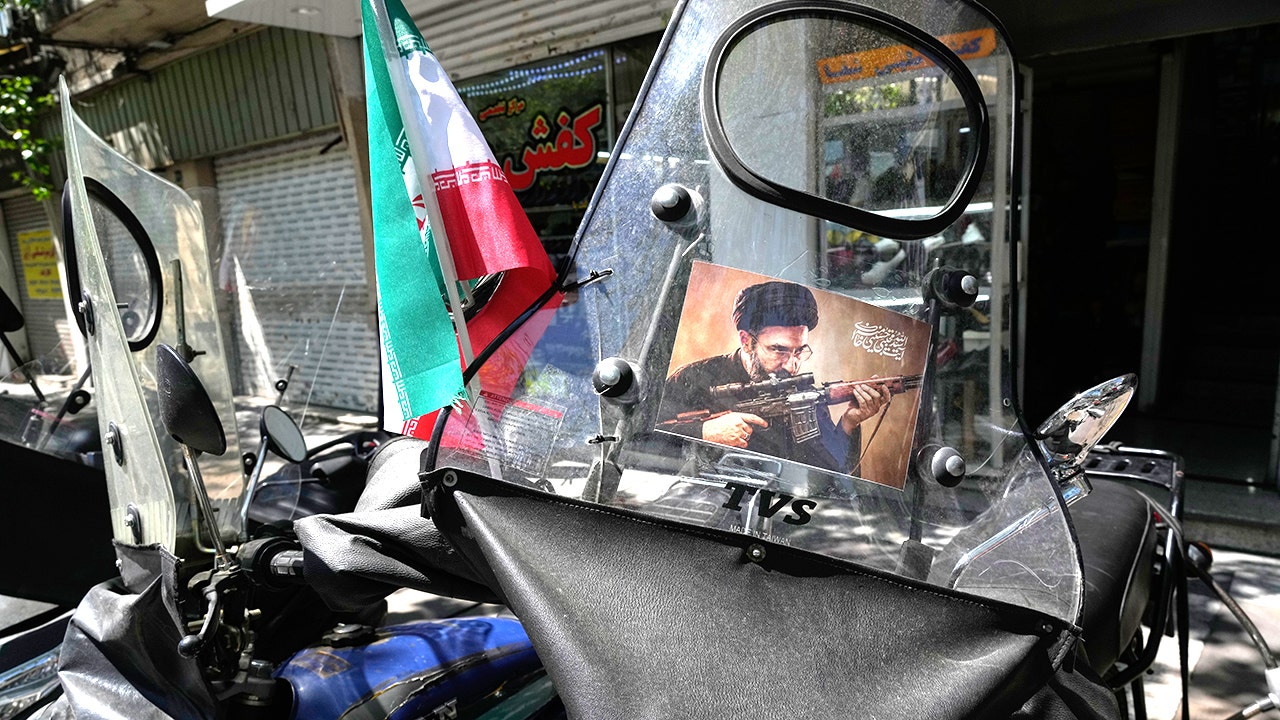
Iran’s upper echelons, however, responded with characteristic defiance, attempting to spin the internal chatter as a sign of strength rather than division. Supreme Leader Khamenei posted a rebuttal, attributing the perceived fracture to a “strange unity” among Iranians that had supposedly rendered enemies weaker and more isolated. He warned against “enemy media” operations aimed at sowing discord, portraying the regime’s cohesion as “steel-like” in the face of adversity. This rallying cry echoed through official channels, emphasizing gratitude for the “blessing” of unified ranks. Yet, beneath this bravado, insider accounts suggested ongoing tensions. A regional official, speaking anonymously to Fox News, confirmed real clashes between hardliners and moderates, critiquing President Pezeshkian as ineffective—even failing to deliver on basic campaign promises like improved internet access. The official described how Iranian leaders had coordinated responses through all three branches of power to counter Trump’s accusations, but admitted that the “moderates” often bore the brunt of blame for concessions the entire group secretly endorsed. This dynamic, where factions publicly clash to exonerate the regime, reveals a calculated theater aimed at preserving the Islamic Republic’s image both domestically and internationally. Khamenei’s words, while defiant, couldn’t fully mask the challenges, as public discontent continues to simmer beneath the surface.
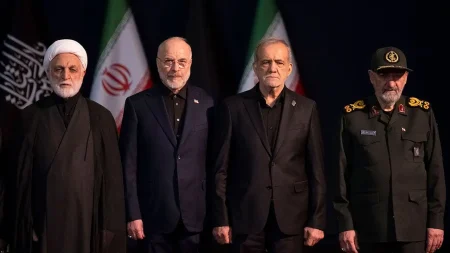
Delving deeper into these factional nuances, analysts like Navid Mohebbi, a former State Department Persian media analyst, stressed that while rivalries exist, they revolve around tactics rather than core doctrines. The Islamic Revolutionary Guard Corps (IRGC) and the supreme leader hold ultimate sway, with “moderates” serving as tools to polish the regime’s global reputation. Mohebbi cited historical examples, such as former President Hassan Rouhani, who was hailed as a moderate reformer abroad but oversaw brutal crackdowns, including the 2019 massacre of 1,500 protesters. Under Rouhani’s successor, Masoud Pezeshkian, patterns of repression persisted during the 2026 uprising, proving that labels of “moderate” or “hardline” yield little change on the ground. This insight is crucial for Western policymakers, who must avoid falling for the same traps. Lawdan Bazargan, a former political prisoner, further illuminated this by calling the divide an illusion; figures like parliament speaker Mohammad-Bagher Ghalibaf, Expediency Council member Saeed Jalili, and judiciary head Gholam-Hossein Mohseni-Ejei all align ideologically in preserving the system, projecting regional power, and confronting “evil” forces like the U.S. and Israel. She argued that what’s being exposed now is not a rift, but the true nature of this monolithic front masquerading as plurality. This perspective challenges narratives of infighting as mere policy disagreements, urging a focus on the regime’s unifying threads of authoritarianism and ideology.
Ultimately, these developments could redefine U.S.-Iran interactions, particularly around nuclear negotiations and broader regional stability. Trump’s cancellation of talks, driven by perceptions of Iranian weakness, positions the administration to push for harder lines without the moderating influence of diplomatic engagements. Experts warn that overstating internal collapses might lead to missteps, as Iran’s factions, despite their dramas, remain steadfast on existential threats. For the Iranian people, enduring repression regardless of leadership labels, the situation underscores a need for authentic change from within. Trump’s emphasis on holding all the cards invites Tehran to “call” if negotiations are desired, but the regime’s unified response suggests stubborn entrenchment. This standoff highlights the delicate balance between exposing facades and achieving lasting outcomes. If the “good cop, bad cop” game is indeed over, it could pave the way for more transparent, if contentious, engagements. However, without addressing the deep-seated issues of repression and ideology, even collapsed divides might reunite under pressure. The world watches as this diplomatic chess game unfolds, with profound implications for global security and the fate of Iran’s oppressed populace. For those advocating regime change, like Memarsadeghi, the moment is ripe, but it demands strategic precision to translate perceived infighting into real transformation. In humanizing these geopolitical maneuvers, it’s clear we’re dealing not with abstract powers, but with leaders whose actions impact millions, reminding us of the urgent need for truthful engagement in an increasingly volatile Middle East.