

Diego Garcia: The Strategic Pivot Point in an Unfolding Regional Crisis
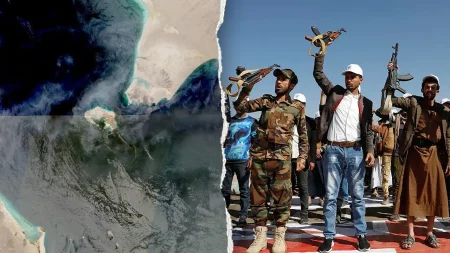
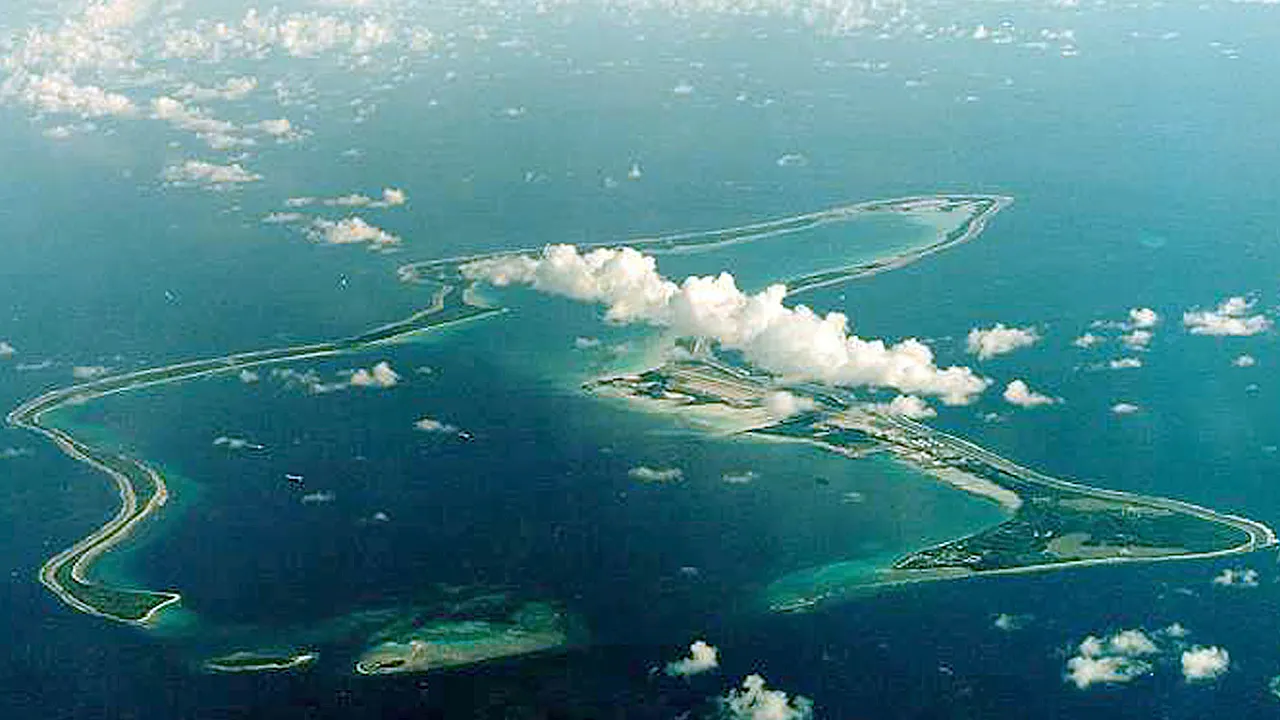
The remote atoll of Diego Garcia, a palm-fringed jewel in the vast expanse of the Indian Ocean, has suddenly found itself thrust into the center of global military affairs. As tensions between the United States and Iran have escalated into open conflict, this isolated British-controlled territory has emerged as the linchpin of American military operations in the region. The Pentagon’s decision to shift its primary logistics hub from Bahrain to Diego Garcia represents more than a tactical adjustment; it signals a fundamental reorganization of how the U.S. military projects power in the Middle East. The move, prompted by a devastating Iranian strike on American installations in Bahrain, has transformed this quiet outpost of roughly six residents into one of the most strategically significant pieces of real estate on the planet. The vast distances involved—supply ships now traverse more than 2,200 miles of open ocean to reach the base—speak to both the challenges and the necessity of maintaining military operations in an increasingly dangerous region.
The war with Iran has fundamentally altered the calculations of military planners who once viewed Diego Garcia as a convenient backup option rather than a primary hub. With the USS Abraham Lincoln and its carrier strike group operating from the atoll’s waters, the base has become the beating heart of American naval power in the Indian Ocean region. The carrier’s aircraft have conducted sustained air operations against Iranian targets and helped enforce a naval blockade of Iranian ports, demonstrating the base’s capacity to support complex, large-scale military operations far from continental supply lines. The logistical gymnastics required to sustain these operations—the extended shuttle runs, the slower replenishment schedules, the increased vulnerability of supply convoys—represent a price the Pentagon appears willing to pay in exchange for the safety and security that geographic isolation provides. The Iranian threat that made Bahrain’s ports too dangerous has paradoxically elevated the importance of this remote outpost that was once considered too far from the action to matter.
James Tumbridge, the attorney general for the self-described Chagossian government-in-exile, sees the current situation as vindication of the base’s enduring strategic value. The Chagossian people, who were displaced from the islands in the 1960s and 1970s to make way for the American military installation, have long argued that their homeland’s importance extends far beyond its tiny population or tropical beauty. Tumbridge’s comments to Fox News Digital reflect a complex position: while he represents a people seeking recognition and justice for past wrongs, he also recognizes the vital role the base plays in regional security. His observation that “Bahrain is a far easier target” underscores the strategic logic that has always underpinned the American presence on the atoll—its isolation is its greatest asset. In a conflict where Iranian missiles have demonstrated the vulnerability of coastal facilities, the ability to operate from a base that is difficult to reach and harder still to strike has become invaluable.
The sovereignty question that has simmered for decades has now been thrust into sharp relief by the crisis. The proposed agreement between Britain and Mauritius, which would have transferred sovereignty over the Chagos Archipelago to Mauritius while allowing the U.K. to maintain operational control of Diego Garcia for 99 years, has been thrown into doubt. The American government, reportedly unhappy with the arrangement, has drafted proposals to bypass Britain entirely and deal directly with Mauritius, or potentially take control of the base through other means. Tumbridge’s response to these machinations reflects both pride and pragmatism: he insists the islands “are not for sale,” yet he cannot blame President Trump for seeking to secure the base’s future. The existential question for the Chagossian people—whether they will ever see their homeland again, and under what circumstances—has become entangled with the larger strategic calculus of great power politics in the Indian Ocean.
The technical details of the ongoing conflict have only added to the base’s mystique and importance. Reports of Iranian ballistic missiles fired toward Diego Garcia, whether they fell short or were intercepted by American warships, demonstrate that the base is not entirely immune to attack. Yet the fact that Iran’s efforts either failed in flight or were successfully neutralized speaks to the defensive capabilities that protect the atoll. The British government’s attempts to characterize the earlier attack as making the islands “unsafe” strike many observers as disingenuous; if anything, the failed Iranian missiles prove the opposite—that the base can absorb attacks and continue functioning. The suggestion that a location with a population of six people is somehow too dangerous for continued military use defies both logic and the demonstrated resilience of the installation. The base has weathered the storm, and its continued operation throughout the crisis has become a testament to its strategic indispensability.
The human dimension of this geopolitical drama extends far beyond the Chagossian exiles or the diplomatic maneuvering in London and Washington. The sailors and airmen of the USS Abraham Lincoln have now spent nearly eleven months deployed, far exceeding normal tour lengths and pushing the limits of human endurance. The strain on families, on morale, and on the operational readiness of American forces has become a pressing concern that even the President has acknowledged. When President Trump announced that a new carrier was heading to the region to relieve the Lincoln, he was responding not just to strategic imperatives but to the very human needs of service members who have been away from home for far too long. The meeting between Admiral Brad Cooper and the carrier’s crew speaks to the military’s recognition that even the most advanced technology ultimately depends on the men and women who operate it. As the conflict with Iran continues to evolve, the fate of Diego Garcia and the people who serve there remains intertwined with broader questions of regional stability, great power competition, and the enduring importance of naval power in the twenty-first century. The atoll that was once dismissed as a colonial relic has become, through the crucible of conflict, one of the most important pieces of American military infrastructure in the world.