






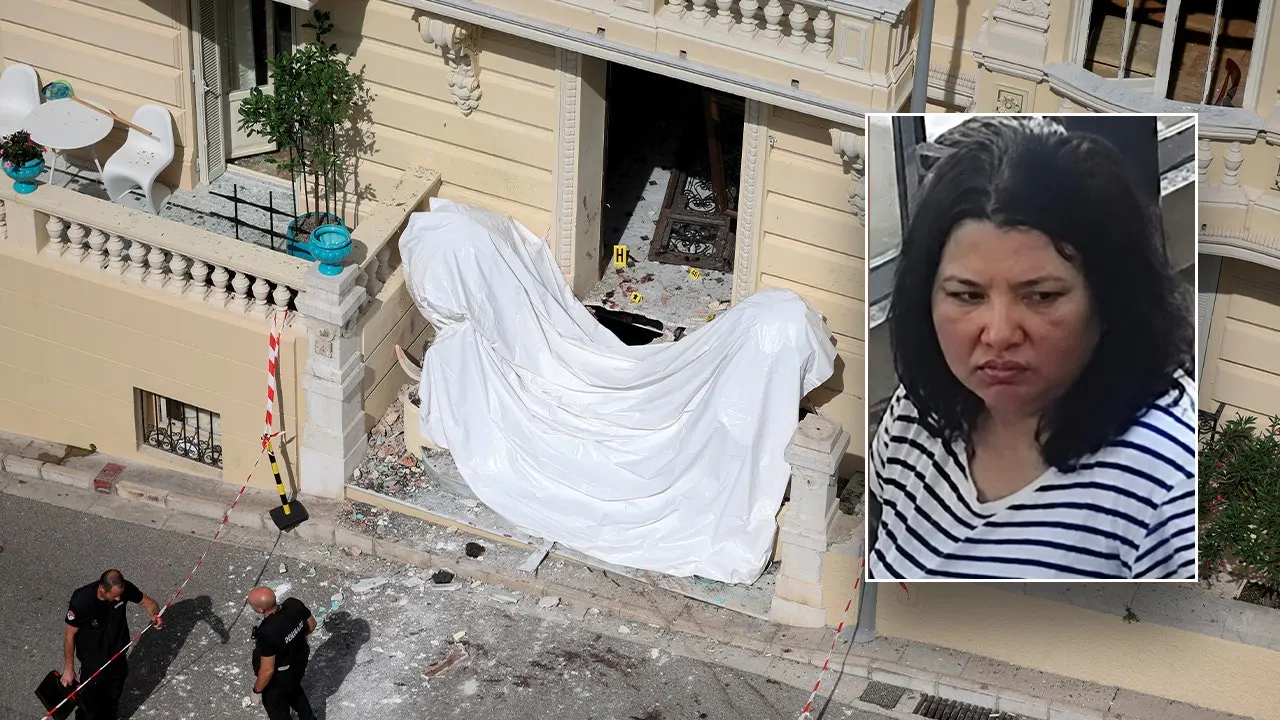
On a summer afternoon in the sun-drenched, ultra-wealthy enclave of Monaco, the peaceful luxury of a residential neighborhood was violently shattered. A devastating explosion ripped through an apartment building, instantly transforming a quiet street into a chaotic crime scene. The targeted blast sent shockwaves through the local community, injuring three people—including a woman and a thirteen-year-old child. Investigators quickly realized this was no accidental gas leak or infrastructure failure; it was a cold, calculated, and high-tech assassination attempt. The primary target of the attack was widely reported to be Vadym Yermolaiev, a prominent and highly controversial Ukrainian-born construction tycoon who has long operated in the high-stakes world of Eastern European oligarchy.
As smoke cleared from the Monaco streets, international law enforcement agencies jumped into action. The International Criminal Police Organization, known globally as Interpol, officially took the lead by issuing a red notice for Anastasiia Berezovska, a 39-year-old Ukrainian national. Initially, investigators were operating under the assumption that the perpetrator was a heavy-set man, a theory supported by early security footage of a suspicious individual in a fishing hat casing the property. However, a closer forensic review of surveillance tapes revealed a dramatic twist: the male suspect disappeared days before the bombing, replaced by a dark-haired, German-speaking woman, now identified as Berezovska, who mirrored the exact surveillance patterns of her predecessor.
The logistical precision of the attack points to a highly organized conspiracy rather than a lone-wolf plot. According to Monaco Deputy Prosecutor Morgan Raymond, the suspect calmly stood just meters away from the victims, placed a sophisticated remote-detonated explosive device disguised in a shopping bag onto the building’s entrance steps, and waited. The attacker even turned back to confirm the physical presence of the targets before triggering the devastating blast with a remote control. Prosecutors publicly noted that the technical complexity of the improvised explosive device and the military-grade execution of the plan leave little doubt that Berezovska was working as part of a well-funded criminal syndicate.
Following the explosion, a massive, cross-border manhunt ignited across Western Europe. Police forces tracked Berezovska’s frantic escape route as she fled Monaco, crossed into France, slipped through Italy, and finally vanished into Germany. Armed with intelligence, German authorities launched a tactical raid on an apartment linked to her in Frankfurt, though she managed to evade capture and remains on the run. To aid the public in identifying her, Interpol has released key descriptors of the fugitive, noting her fluency in German and revealing a distinctive physical detail: a prominent tattoo of a snake winding down her arm.
At the heart of this violent drama is the target himself, Vadym Yermolaiev, a man whose complex history bridges the volatile geopolitics of Ukraine and Russia. The 58-year-old billionaire construction magnate formally severed his official ties to his homeland in 2017 when he renounced his Ukrainian citizenship, later securing a golden passport as a citizen of Cyprus in 2019. Despite attempting to distance himself from regional conflict, Yermolaiev found himself firmly in the crosshairs of the geopolitical crossfire. In 2023, the Ukrainian government slapped him with severe economic sanctions, accusing him of treasonous financial activities.
According to Ukrainian authorities, Yermolaiev had been actively playing both sides of a bloody geopolitical divide. He stood accused of funneling millions of dollars in taxes directly to Moscow’s treasury and utilizing his lucrative Crimean liquor empire—operating out of the peninsula annexed by Russia in 2014—to facilitate covert business transactions with the Kremlin. While Monaco authorities have officially remained tight-lipped regarding a concrete motive for the assassination attempt, the explosive collision of political betrayal, deep-seated oligarch rivalries, and international sanctions provides a chilling backdrop to a bombing that has brought the shadows of Eastern Europe’s quiet war straight to the pristine shores of the Mediterranean.