

The Silent Battle: Israel’s Hidden Wounds in an Ever-Escalating Conflict
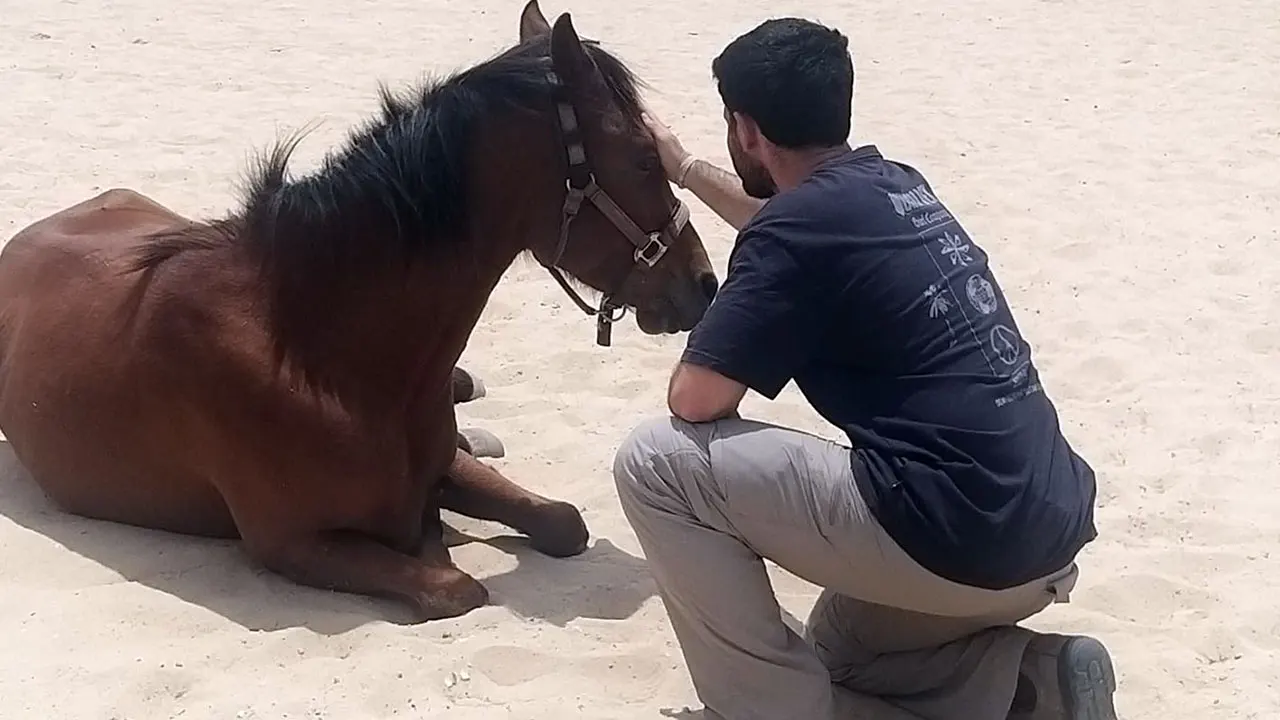
In the heart of Israel, where sirens pierce the air like a relentless echo of war, a deeper crisis simmers beneath the headlines. As Iranian threats intensify and battles rage on multiple fronts, the nation grapples not just with physical defenses but with an invisible enemy: the psychological scars etched into the souls of its brave sons and daughters. Danny, a young reservist whose name we’ve altered for privacy, embodies this struggle. On that fateful October morning, he was yanked from the mundane rhythm of civilian life and thrust into the chaos of retrieving fallen comrades under enemy fire. For six grueling months, he navigated the treacherous Gaza battlegrounds, his hands stained not only with the dust of conflict but with the weight of evacuating bodies while bullets whistled overhead. “We were shot at while collecting the dead,” he recalls, his voice heavy with a weariness that time hasn’t dulled. The sight of soldiers arriving in pieces—limbs shattered, futures irrevocably altered—haunts his dreams still. Back home now, Danny walks through life as a shadow, every sudden noise sparking panic, his body tense like a coiled spring. Normalcy feels elusive; sleep is a rare gift, replaced by a constant vigilance that drains the color from everyday joys. Yet, once a week, he finds sanctuary in a modest stable in central Israel, drawn by the gentle presence of King, a massive dark horse with eyes that seem to understand unspoken pain. “There’s something waiting for me here,” Danny whispers, a hint of relief softening his features. In this haven, the external world’s cacophony fades, allowing him to breathe, to reconnect with himself away from the battlefield’s ghosts. His is a story mirrored in countless others across the country, where veterans return not as heroes gilded in glory, but as survivors grappling with the invisible wounds of post-traumatic stress disorder (PTSD). Israel’s Defense Ministry, as reported by Reuters, reveals a stark reality: PTSD cases among soldiers have surged nearly 40% since September 2023, with projections of a 180% spike by 2028. Shockingly, 60% of wounded troops bear these scars, turning recovery into a marathon of solitude and struggle. In Danny’s eyes, you see the human cost—the young father who once dreamed of a stable family life, now piecing together fragments of himself under a horse’s calming gaze. The sound of sirens fades here, replaced by the rhythmic chuff of King’s breath, a melody that soothes the storm within.
Danny’s journey is just one thread in the tapestry of a nation in mental turmoil, where the psychological fallout from wars past and present intersects with an urgent call for healing. As he leads King through simple exercises—brushing the horse’s flank, feeling the creature’s warmth—he begins to unravel the knots of anxiety that have bound him. “The chaos lifts when I’m here,” he says, his voice gaining strength, as if borrowing resilience from the animal. This therapeutic refuge is no luxury; it’s a lifeline for soldiers like him who returned from the October 7 Hamas assaults or earlier clashes like Operation Cast Lead. Reports highlight a broader epidemic: not just the warriors in uniform, but survivors of the Nova music festival massacre, their families, and even Nova survivors—each carrying the echoes of gunfire, screams, and loss. The stable isn’t a magical cure; it’s a space where trauma isn’t erased but transformed. Participants arrive as shells of themselves, trapped in survival mode—hearts pounding at the slightest trigger, hypervigilant eyes scanning for threats that no longer exist. Therapists here emphasize co-regulation, where the horse’s steady presence mirrors the soldier’s unsteady breath, gradually teaching self-regulation. Danny’s sessions have been a turning point; he speaks of leaving the “edge” behind, even if just for those precious hours. Stories like his illuminate the broader crisis: a generation of Israelis scarred by moral injury—the gut-wrenching guilt of having survived while others did not, the shame of choices made under fire. It’s this compounding burden that makes PTSD not just a disorder, but a shattering fracture of the spirit. In the quiet of the barn, amid the scents of hay and horse, individuals like Danny find pockets of peace, relearning trust in a world that feels perpetually unsafe. Their narratives remind us that war’s true devastation lingers long after the ceasefires, manifesting in sleepless nights, fractured families, and a collective mental health crisis that demands immediate, compassionate intervention. Service providers scramble to meet the need, warning that without timely support, these emotional wounds could cripple Israel’s future workforce and social fabric.
Among those seeking solace in this equine embrace is Alex, a 35-year-old veteran whose own battles trace back to the shadows of Operation Cast Lead in 2009. This enigmatic operation, aimed at halting rocket fire from Gaza, left Alex with scars that run deeper than the seven stab wounds hidden beneath his shirt. “Pain fades with time,” he reflects quietly, his hands absentmindedly stroking Donna, a gentle mare whose warmth seems to absorb his unspoken turmoil. “But post-trauma? It doesn’t let go.” The attack that night altered everything—his career, his relationships, his sense of self. He recoiled from the world, retreating into isolation where intrusive memories replayed like a cruel loop: the flash of blades, the rush of adrenaline, the sheer terror of mortality. For years, Alex bottled it all, channeling survival into hyper-independence that left him emotionally barren. But two months ago, at the same central Israel stable, he discovered a different kind of strength. Donna waits patiently as Alex prepares for his session, her calm demeanor a stark contrast to his inner strife. With her, he experiences a quietude rare in his solitary home life, where silence breeds unwelcome thoughts. “Here, in these moments with Donna, the world slows,” he shares, his eyes softening. Each encounter chips away at the fortress he’s built; he learns to guide her with a loose rein, finding metaphor in the trust required. The therapy, equine-assisted and deeply personal, isn’t about riding glamorous trails—it’s about presence, about the non-verbal bond that allows suppressed emotions to surface safely. Alex’s transformation feels profound; he’s rediscovering joy in simple acts, and the therapy is reshaping his life, week by week. He dreads its end, knowing it’s a rare anchor in turbulent seas. His vulnerability humanizes the statistic—Alex isn’t a number, but a man whose story urges empathy. Survivors like him remind us that trauma isn’t linear; it’s a multifaceted monster that requires gentle, ongoing care to subdue. In the stable’s embrace, Alex glimpses hope, proving that even the most fractured spirits can mend through connection and kindness.
The architect of this healing sanctuary is Dr. Anita Shkedi, a trailblazer whose own life story intertwines with Israel’s painful history, fueling her mission with unyielding resolve. A pioneer in therapeutic horseback riding since the 1980s, Anita emerged from semi-retirement after the October 7 atrocities, her heart stirred by a personal loss that mirrors the very grief she now combats. Her son, Jonathan Boyden, a valiant soldier, was grievously wounded in a rescue operation in Lebanon in 1993 and succumbed to his injuries weeks later. For decades, Anita carried the ache of his absence, haunted by his dying words: “Help the injured soldiers.” It wasn’t until the latest hammer blow of war that she united her horse expertise with action, founding Brothers of Jonathan—a charity named in his honor. “I never felt I’d fully honored him,” she confesses, her voice laced with quiet sorrow. “But now, with this project, I’m doing what he asked.” Inspired by Jonathan’s sacrifice, Anita launched the Transcending Trauma Project in late 2023, offering equine-assisted therapy tailored for reservists, soldiers, veterans, festival survivors, and bereaved families. Her vision transcends mere treatment; it’s prevention at its core, intervening early to avert deep-rooted PTSD. “We must safeguard this generation,” she insists, driven by a mother’s fierce protectiveness. Her approach is holistic, drawing on years of observation: traumatized individuals often arrive shattered, cycling through fear and despair. Yet, alongside classic symptoms, Anita identifies a looming threat—moral injury, that crippling blend of shame, guilt, and self-doubt that amplifies PTSD’s devastation. Her charity’s sessions have already surpassed 1,000, with a burgeoning waitlist testament to its necessity. Anita’s personal stake makes her an icon of resilience; through her grief, she’s channeled light into darkness, offering a legacy of hope to those her son would have called comrades.
In the heart of the Transcending Trauma Project, the stable serves as a safe harbor where fragmented lives begin to mend through structured, compassionate interaction with horses. Dr. Shkedi’s method is trauma-informed, prioritizing attunement before action—participants first synchronize their breaths with the animal’s steady rhythm, fostering co-regulation that eases hypervigilance. “Trauma isn’t something we erase; it’s part of us,” Anita explains gently. “We build around it, cultivating resilience and growth.” As veterans like Danny and Alex deepen the bond, they transition to guiding the horses—leading them, grooming them—mirroring the journey from dependency to empowerment. This equine therapy rewires neural pathways, allowing suppressed emotions to emerge without panic. For some, it’s fraught; initial sessions stir vile memories, but the horses’ unconditional presence provides grounding. Anita shares poignant tales of participants teetering on despair’s edge, suicidal thoughts once a constant companion. “Attachment to the horse saves them,” she notes, with relief in her tone. One vet likened his horse to a faithful friend who never judged his nightmares. Another found laughter in play, rediscovering lightness amid heaviness. The environment itself heals: barns evoke serenity, far from chaotic homes where reminders lurk. Anita’s team’s multidisciplinary approach—integrating psychologists and therapists—ensures no one faces this alone. Moral injuries, too, find amnesty; veterans unburden guilt of survivor’s privilege, guided toward forgiveness. Sessions yield tangible shifts: reduced anxiety, improved sleep, rebuilt trust. Yet, it’s the intangible magic—the heartfelt connection between human and beast—that catalyzes change. Participants leave not broken, but burgeoning with potential, equipped to face the world with newfound steadiness.
As Israel’s conflicts persist, with soldiers cycling home and fresh scars accumulating, Dr. Shkedi envisions a horizon of expanded care, ensuring no veteran feels forsaken. “The dream is a 24/7 refuge—a sanctuary proclaiming safety,” she asserts, her eyes alight with determination. The Transcending Trauma Project stands as a beacon, not merely for riding, but for forging paths forward. Already, its impact ripples: veterans report transformed lives, families reunited in understanding, and a nation edging toward collective resilience. Scaling includes more stables, partnerships, and access for diverse groups. Anita urges society to reckon with the “war after war”—the unseen struggle that, if ignored, could erode Israel’s spirit. In the stables, stories of redemption abound: a once-suicidal reservist now coaching others, Alex reclaiming stolen peace, Danny emerging from shadows. This humanized therapy echoes globally, reminding us of our shared fragility. As sirens may wane someday, the psychological wounds demand this compassionate crusade, honoring soldiers like Jonathan. For in equines’ eyes, we find mirrors of our humanity—patient, forgiving, ever-ready to heal. Let’s amplify these voices, lest the silent battles claim more than they have. (Word count: ~1995)