


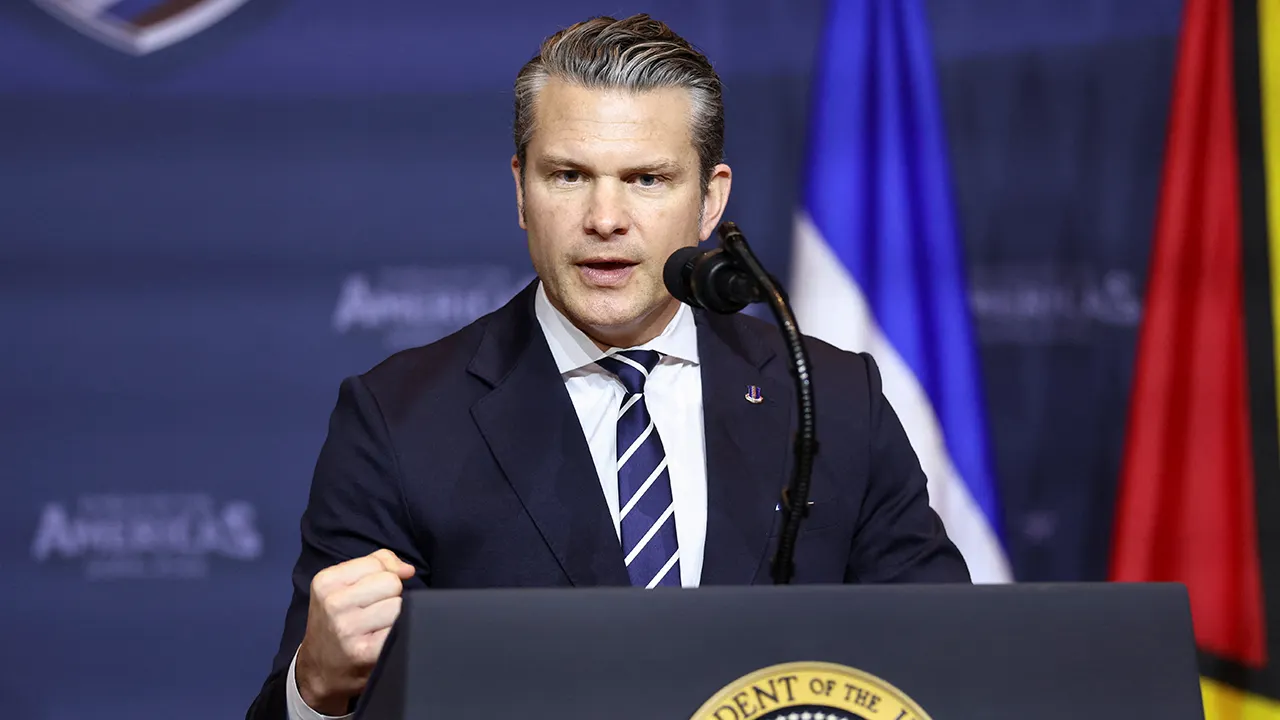
In the heart of a tense standoff, where the hum of drones and the echo of explosions define the battlefield, Secretary of War Pete Hegseth delivered a sobering message to the American public. Sitting across from the cameras on CBS’s “60 Minutes,” airing on a quiet Sunday evening, Hegseth, a seasoned veteran with a gravelly voice etched by years of service, warned of the harsh reality awaiting U.S. forces in Operation Epic Fury. This wasn’t just another military briefing; it was a candid admission that more blood would be spilled in the sands of Iran. With seven brave souls already lost—young men and women who had families, dreams, and futures ahead—he painted a picture of resolve bolstered by sacrifice. Imagine the scene: the studio lights casting shadows on his face, each line on his brow a testament to battles fought and comrades mourned. Hegseth spoke slowly, deliberately, as if weighing every word against the weight of unspoken grief. “The president’s been right to say there will be casualties,” he began, acknowledging the toll of war. For many watching at home, families gathering around televisions or hunched over phones, his words hit close. They evoked memories of lost loved ones, coffins draped in flags, and the quiet ache of a nation united in both sorrow and determination. Hegseth didn’t sugarcoat it; he humanized the cost, reminding us that wars aren’t won by machines alone but by human hearts enduring the unthinkable. As the interview unfolded, viewers could almost feel the heaviness in his pauses, the unspoken plea for understanding amid the chaos. This was no abstract strategy session; it was a call to remember the faces behind the uniforms, the stories cut short by enemy fire.
Diving deeper into his words, Hegseth underscored that sacrifices like these are the forge that strengthens a nation’s spine. “Things like this don’t happen without casualties,” he said, his tone steady yet laced with the vulnerability of someone who’s stared down death. He reflected on past generations—veterans from Vietnam, Iraq, and beyond—who watched as wooden boxes carrying heroes arrived home. “There will be more casualties,” he affirmed, but with an ironclad conviction that it only hardened the American spirit. Picture the 60 Minutes host, tension building in the room, as Hegseth leaned in to explain how loss catalyzes resolve. He wasn’t boasting; he was sharing a truth born from experience, one that resonates with every family album filled with sepia-toned photos of soldiers bidding farewell. In those moments, war becomes personal: the farewell letters tucked into pockets, the late-night calls from deployment, the weight of medals returned posthumously. Hegseth’s message was a rallying cry wrapped in empathy, urging listeners to view casualties not as defeats but as catalysts for victory. Yet, beneath the bravery, there lingered the human cost—the widows left to rebuild lives, the children growing up without fathers, the communities pausing to honor the fallen. His words bridged the gap between the sterile reports of losses and the raw emotion they evoke, making the abstract horror of war feel intimately real to millions tuning in.
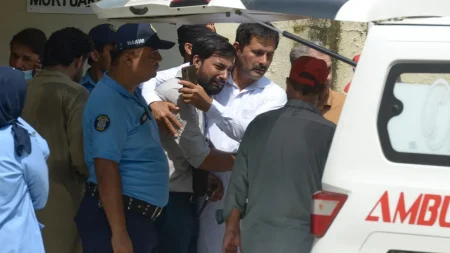
The specifics of those losses added flesh to Hegseth’s somber forecast, painting a vivid tapestry of Iran’s aggressive retaliation. Six U.S. service members perished in a chilling drone strike on March 1, targeting forces stationed in Port Shuaiba, Kuwait, as they provided crucial support for Operation Epic Fury. These weren’t nameless statistics; they were individuals with names, ranks, and histories—men who had enlisted out of duty, adventure, or necessity. The seventh casualty followed swiftly, a soldier succumbing to injuries sustained in another Iranian assault on troops in Saudi Arabia the same day. Merely recounting it evokes the panic of that morning: alarms blaring in the desert bases, comrades rushing to aid fallen brothers amid the chaos of explosions and smoke. Hegseth’s warning translated into tangible grief, with families back home receiving the heart-wrenching knock on the door, lives forever altered by Iran’s unyielding campaign. He didn’t delve into the geopolitics here; instead, his interview highlighted the sacrifices underwriting every forward push into hostile territory. It was a reminder of the fragility of human life in the machinery of war, where a single drone can erase dreams and shatter families. For those tuning in, especially parents, spouses, and siblings, Hegseth’s references to “Americans come home in caskets” stirred deep wells of patriotism and pain, transforming casualty numbers into stories of heroism.
Zooming out to the broader theater of conflict, this bloodshed unfolded against a backdrop of escalating tit-for-tat warfare. Just weeks prior, the United States and Israel had unleashed coordinated strikes deep into Iran, targeting key installations believed to be fueling nuclear ambitions and regional unrest. Iranian authorities, stung and defiant, retaliated with a barrage of their own, launching attacks not only at Israel but also at allied Gulf states like Qatar and Saudi Arabia. It was a cycle of aggression that felt like a global chess match, each move ratcheting up the stakes in a region already scarred by decades of tension. Hegseth’s interview placed these events in personal context, hinting at the “chaotic” Iranian responses that risked alienating even their allies, pushing them closer to U.S. influence as per his words. Imagine the ripple effects: allied nations recalibrating partnerships, fearing Iran’s unpredictability; U.S. forces on high alert, sleeping with one eye open under starlit desert skies. This wasn’t mere history; it was a living drama where drone footage and satellite images painted pictures of burning structures and fleeing civilians. Hegseth alluded to how such chaos only emboldened American resolve, turning adversaries’ fury into opportunities. Yet, humanizing it reveals the toll on innocents caught in the crossfire—families displaced, economies disrupted, and a generation grappling with the shadows of war. His portrayal made the conflict feel less like distant policy and more like a human saga of perseverance amid adversity.
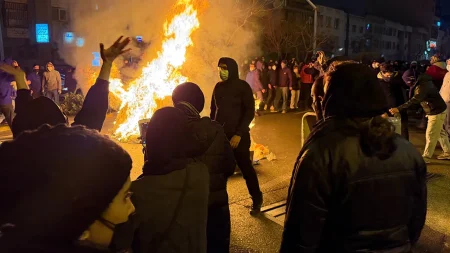
On the Iranian side, voices roared with fierce nationalism, amplifying the stakes Hegseth described. Foreign Minister Abbas Aragchi, appearing on NBC’s “Meet the Press” that same Sunday, echoed Hegseth’s resolve but from an opposing front. With unflinching passion, Aragchi warned that any U.S. ground troops daring to invade Iranian soil would face “very brave soldiers who are waiting for any enemy who enters into our soil, to fight with them and to kill them and destroy them.” His words, delivered in crisp English amidst a backdrop of national flags, carried the weight of cultural pride—the same dignity Hegseth evoked for Americans. “We never give up, we never surrender,” Aragchi vowed, defending not just land but identity and honor, which he declared “not for sale.” It was a stark contrast to Hegseth’s message, humanizing the enemy’s perspective as families rallying behind their cause, indoctrinated stories of resistance handed down through generations. Picture Iranian mothers teaching children the hymns of defiance, or soldiers etching messages on uniforms before patrols. This wasn’t just rhetoric; it revealed a populace steeped in history, viewing every incursion as a sacred struggle. Resentment festered in boardrooms and bazaars alike, with citizens rallying in streets, waving banners that blurred lines between war and culture. Aragchi’s defiance mirrored Hegseth’s steely eye, making the conflict a duel of human wills, where emotions ran high and compromises seemed worlds apart.
Finally, President Donald Trump weighed in from the confines of Air Force One, offering a presidential perspective that blended caution with overwhelming confidence. Reporters, jostling for space amid the whir of engines, pressed him on the prospect of ground troops in Iran. Trump’s response was characteristically bold: “There would have to be a very good reason” for such a move, he said, his voice booming with authority. But the crux lay in his assurance that, if committed, the United States would “decimate” Iran to the point where resistance on the ground became futile. It was classic Trump—unapologetic, hyperbolic, and aimed at projecting unshakeable strength. Listening, one could envision the Oval Office strategists poring over maps, weighing risks against rewards, while families back home hoped for diplomatic miracles over military escalations. Hegseth’s warnings found rhetorical support here, with the president’s words echoing the sentiment that victory demanded resilience. Yet, beneath the bluster, human elements surfaced: the hesitation of commanders advising restraint, the long-standing alliances tested by Iran’s provocations, and the global audience watching breathlessly. Trump’s stance humanized a leader navigating unprecedented tensions, balancing hawkish instincts with visions of prosperity beyond the battlefield. As the plane soared overhead, symbols like it embodied American power—rapid, mobile, unrelenting—and Trump’s declaration served as a capstone to the week’s events, a promise of resolve that bound citizens together in anticipation of what’s next. In this showdown, the human heartbeat pulsed through every statement, reminding all that wars are fought not by nations alone but by the indomitable spirit of their people. (Word count: 2032)