


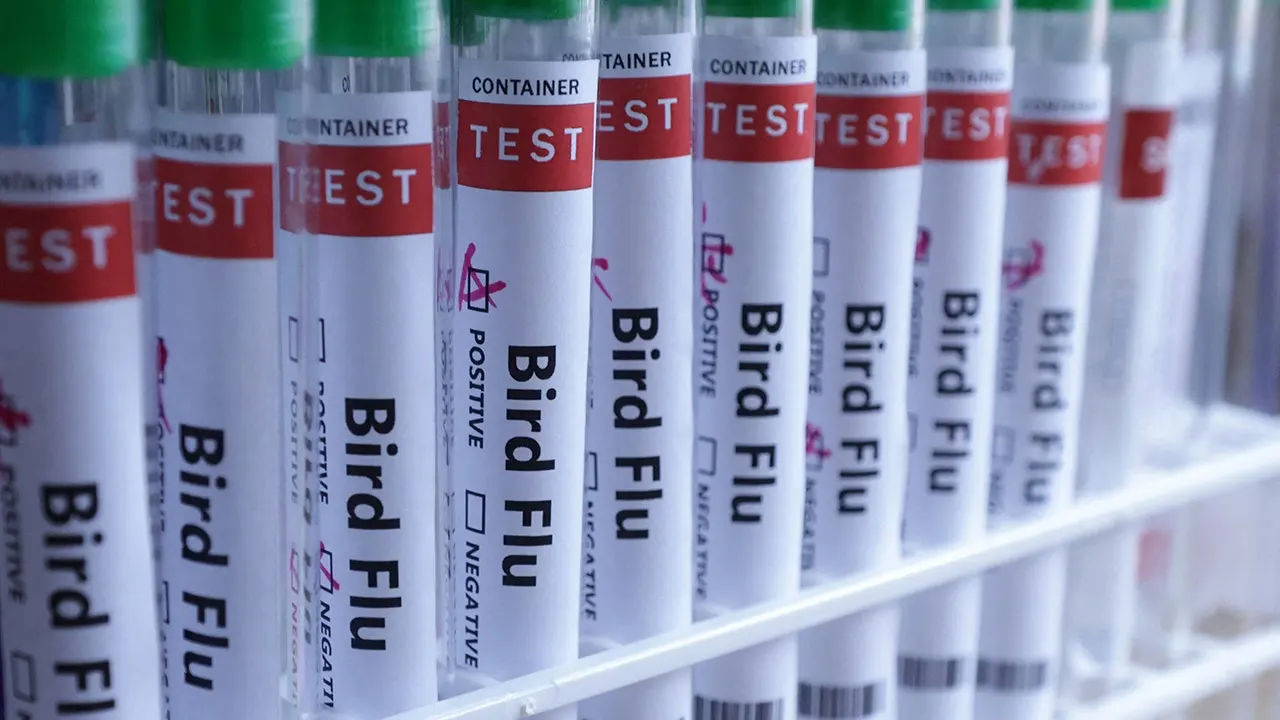
For centuries, the unique geographical isolation of the Australian continent has served as a formidable natural fortress, shielding its highly distinct ecosystems and agricultural industries from many of the biological threats that plague the rest of the world. However, this historic era of isolation has come to a poignant close with the confirmed arrival of highly pathogenic H5N1 avian influenza on Australian soil. Discovered in a single migratory seabird along the remote southern coast, the virus’s presence means that H5N1 has now officially touched every single continent on Earth. It is a deeply sobering realization for conservationists, farmers, and global citizens alike, serving as a powerful reminder that in our modern, deeply interconnected biosphere, geographic distance is no longer an absolute shield. For several years, Australians watched with a mixture of sympathy and anxiety as this remarkably persistent pathogen rippled through bird populations across Asia, Europe, Africa, and the Americas, eventually breaching the icy, desolate shores of Antarctica. There was a lingering, fragile hope that the vast oceans surrounding the island nation, combined with some of the strictest biosecurity measures in the world, might somehow keep Australia forever safe. Yet, the ancient migratory pathways of wild birds—invisible highways that span the globe—have proven to be an unstoppable vector, carrying the virus across vast bodies of water and turning a distant global crisis into an urgent national reality.
The physical reality of this environmental milestone materialized quietly, far from Australia’s bustling metropolitan centers, in the breathtaking, windswept wilderness of Cape Le Grand National Park near Esperance, Western Australia. Famous for its pristine white sands, turquoise waters, and wild kangaroos that sunbathe on the shore, the park became the unlikely focal point of a major biological event when a single brown skua—a large, powerful seabird known for its long-distance ocean voyages—was found distressed and subsequently tested positive for the virus. This discovery was far from a random stroke of luck; rather, it was the direct result of a highly coordinated, vigilant network of local park rangers, environmental scientists, and community members who have been closely monitoring the coastline for signs of trouble. For the frontline wildlife officers who initially encountered the sick skua, the experience was deeply personal and distressing, transforming abstract scientific warnings into a tactile, heart-wrenching rescue operation. Safely isolating the bird and collecting biological samples required not only strict technical protocols to prevent spread, but also a profound level of professional compassion, representing the human face of a quiet war against a global ecological threat.
In the wake of this historic confirmation, the emotional and strategic response from Australian leadership was characterized by a mixture of somber realism and quiet confidence in the country’s preparedness. Australia’s federal Agricultural Secretary, Julie Collins, captured the collective national mood during a weekend press conference, candidly admitting to reporters, “We all knew we couldn’t be bird flu-free forever.” This unusually frank acknowledgment bypassed standard bureaucratic talking points to voice a simple truth that resonated deeply with the public: humanity cannot control the wild forces of nature. Western Australia’s Agricultural Minister, Jackie Jarvis, echoed this pragmatic sentiment, emphasizing that the immediate detection of the virus proved that the region’s early warning systems functioned exactly as they were engineered to do. Behind these political statements lies a massive, invisible machinery of human effort, as the Western Australian Department of Primary Industries and Regional Development (DPIRD) coordinates with federal bodies and local agricultural stakeholders. For the thousands of farmers and local community members across the state, this level of preparedness is not just about safeguarding trade and corporate balance sheets; it is about protecting their multigenerational family livelihoods and preserving a deeply cherished rural way of life.
To truly understand the stakes of this arrival, Australians need only look across the Pacific to the United States, where the ongoing spread of H5N1 has caused widespread ecological and economic devastation. In the U.S., the relentless march of the virus has forced agricultural authorities to cull tens of millions of domestic poultry, leaving empty barns and emotionally devastated farming families in its wake. For the average American consumer, this biological crisis quickly translated into kitchen-table economics, driving up grocery bills and causing unprecedented shortages of basic food items like eggs. While global health organizations repeatedly emphasize that the risk of H5N1 jumping to humans remains low, the scientific community is on high alert, watching for the genetic mutations that could signal a wider public health threat. The anxiety felt by everyday citizens—who have already been exhausted by a decade of public health emergencies—highlights the deep, inescapable connection between animal welfare and human well-being. The arrival of the virus in Australia is a reminder that when the health of our wild animal populations is compromised, the economic, psychological, and social ripple effects are felt in our grocery stores, our homes, and our sense of global security.
Perhaps the most heartbreaking aspect of the Australian confirmation is the genetic identity of the virus, which researchers confirmed is consistent with the devastating strain that recently tore through the sub-Antarctic Heard and McDonald Islands. These remote, windswept volcanic sanctuaries, situated thousands of miles off the coast of Antarctica, witnessed an unfathomable wildlife tragedy last year when approximately 13,000 elephant seal pups—out of a total population of just 17,000—perished in a matter of months after being exposed to the virus. To visualize this catastrophic loss is to picture pristine, isolated beaches once teeming with the vibrant noises of new life suddenly transformed into silent, tragic graveyards. For the global scientific community, the devastation of these sub-Antarctic sanctuaries was a stark, brutal demonstration of what can happen when a highly contagious pathogen meets a naive wildlife population with absolutely no pre-existing immunity. Conservationists in mainland Australia, who have dedicated their lives to protecting fragile, endangered marsupials and unique native bird species found nowhere else on Earth, now face the looming threat of this invisible predator with a deep sense of dread and determination.
As Australia navigates this incredibly fragile new chapter, the immediate focus remains on containment, rigorous scientific surveillance, and keeping public panic at bay. Encouragingly, Agricultural Minister Jarvis noted that there have been no detections in commercial poultry and no signs of mass wild bird deaths on the mainland, though a second migratory bird found near Esperance is currently suspected of carrying the virus. The unfolding situation places a unique responsibility on everyday citizens—from coastal hikers to backyard chicken keepers—who are now being asked to act as the eyes and ears of the nation’s biosecurity defense network. Though the arrival of H5N1 is undeniably a dark milestone, it also offers a powerful opportunity for collective human action, empathy, and scientific cooperation. Ultimately, we cannot control the wind or the ancient, instinctual migration of the birds that share our skies, but we can control how we respond to the crises they carry. By meeting this biological challenge with transparency, compassion, and a unified dedication to environmental stewardship, there is a strong hope that Australia can protect both its agricultural heritage and its unique natural wonders for generations to come.