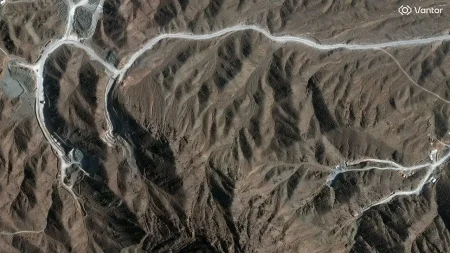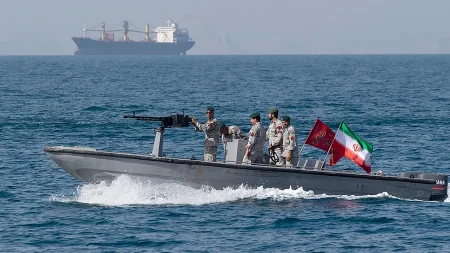







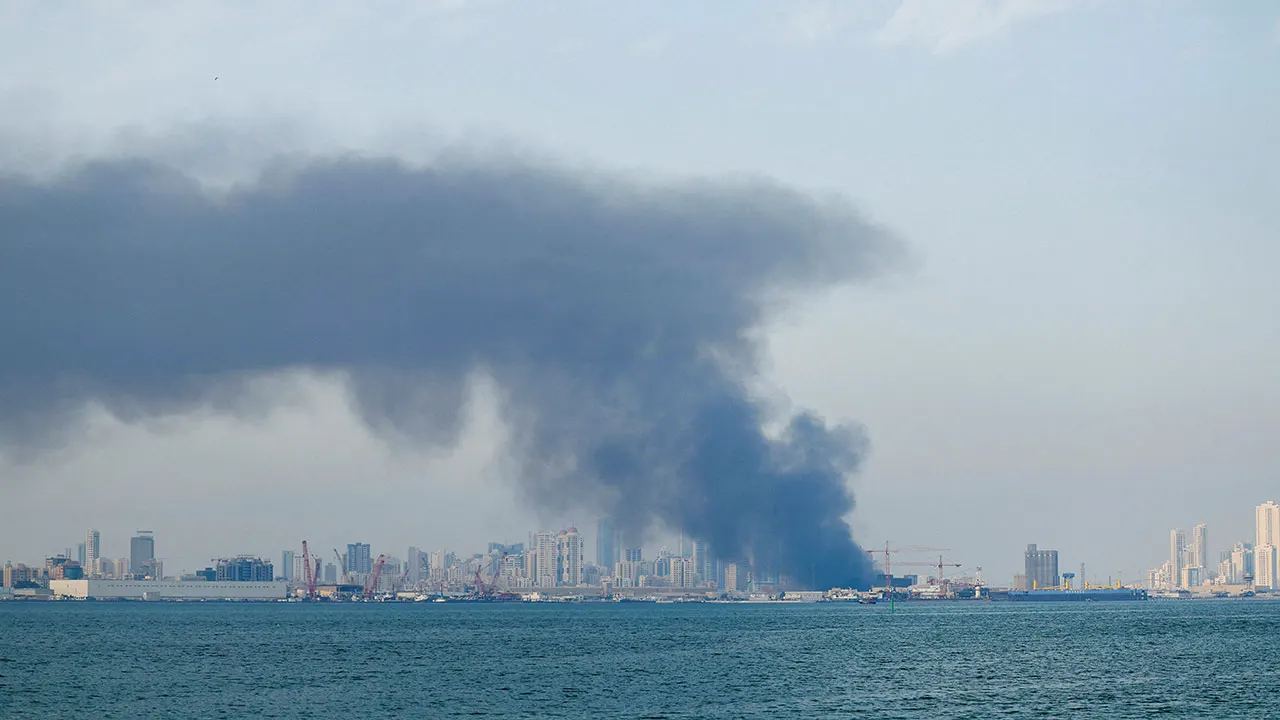
The fragile peace of the Persian Gulf was shattered during the weekend as the night skies over the island nation of Bahrain were suddenly filled with the ominous, mechanical hum of unmanned Iranian drones, plunging the metropolitan areas and tranquil coastlines of this historic region back into a familiar cycle of profound anxiety and military brinkmanship. This dramatic escalation did not occur in a vacuum; rather, it represented the explosive, terrifying culmination of a rapid, seventy-two-hour domino effect of violence that has left average families and international workers across the Middle East bracing for an uncertain future. The chain reaction began in earnest on Friday when Iranian forces launched an aggressive, unprovoked strike on a commercial cargo ship navigating the critical, highly congested waters of the Strait of Hormuz—a vital economic artery through which a significant portion of the world’s daily oil supply and global maritime trade must flow. In a swift, severe, and decisive response, the United States military launched heavy overnight airstrikes targeting Iranian radar systems, missile launchers, and drone launch facilities on the mainland. Seeking to project geopolitical dominance and demonstrate its outright refusal to back down in the face of American power, Tehran responded on Saturday by deploying a wave of attack drones directly into the sovereign airspace of Bahrain. For the citizens of this small, densely populated island kingdom, the sudden intrusion of foreign military hardware into their peaceful evening skies served as a stark, distressing reminder of how quickly high-level global political maneuvering can translate into immediate, existential threats to their homeland, their families, and their quiet way of life.
This rapid, highly public unraveling of regional security poses the most severe crisis yet for the newly minted, highly controversial diplomatic memorandum of understanding signed just last week by American President Donald Trump and the recently elected Iranian President Masoud Pezeshkian. Touted by optimistic observers as a historic diplomatic breakthrough capable of resetting decades of hostility, and simultaneously dismissed by realist critics as a dangerous, naive gamble, the agreement sought to establish a fragile framework for bilateral de-escalation, but skeptics had already warned that the regime in Tehran would inevitably “lie and cheat” to advance its regional ambitions while pretending to cooperate on the world stage. This weekend’s sudden violence has effectively supercharged those skepticism-fueled warnings, putting the diplomatic credibility and political capital of both administrations on the line at a critical juncture. For President Trump, the Iranian strikes represent a direct, public challenge to his administration’s peace-through-strength strategy, revealing the immense, almost insurmountable difficulty of managing an adversary that simultaneously engages in high-level diplomatic pleasantries while delegating aggressive military operations to its ideological, hardline vanguard. On the other side of the negotiating table, President Pezeshkian’s reformist promises of re-engaging with the global community to ease crippling economic sanctions are being heavily undermined by the independent, ideological military factions within his own country, who seem determined to sabotage any peaceful resolution. As the smoke clears from the weekend’s strikes, the ink on this experimental diplomatic accord seems increasingly faded, leaving global analysts, regional leaders, and anxious citizens alike to wonder if the agreement was merely a strategic smoke screen designed by Tehran to buy time for tactical maneuvers rather than representing a genuine, systemic shift toward long-term Middle Eastern stability.
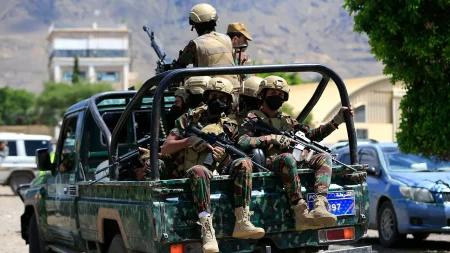
Bahrain’s strategic significance in this geopolitical chess match cannot be overstated, as the tiny island kingdom serves as the central anchor for American maritime operations in the Middle East, hosting the sprawling, highly fortified headquarters of the United States Navy’s Fifth Fleet. It is this very military presence, a symbol of American power projection in the Gulf, that made Bahrain the primary target of Iran’s retaliatory wrath on Saturday, with the Islamic Revolutionary Guard Corps quickly taking to state-run television to boastfully claim responsibility for the strikes, stating they had successfully targeted the installations of what they labeled the “U.S. terrorist army” in the region. The psychological toll of such aggressive rhetoric on the local civilian population is immense; families living in the shadow of major military installations are forced to reckon with the terrifying, daily reality of being on the literal front lines of a dangerous proxy war between global superpowers. Despite the terrifying nature of the drone incursions, local authorities reported a profound sense of relief as initial damage assessments revealed no casualties and no significant destruction to critical infrastructure or civilian residential areas. However, the lack of physical wreckage does not diminish the profound violation felt by the Bahraini people, whose sense of safety has been deeply rattled. The country’s Foreign Ministry issued a searing, passionate condemnation, characterizing the drone strikes as a “flagrant threat” to the nation’s security and sovereignty, while directly accusing the Iranian regime of choosing a path of manufactured chaos and regional instability at a moment when the international community was striving to pave a path toward sustainable peacetime cooperation and economic integration.
The outrage radiating from Manama quickly reverberated across the Arabian Peninsula, sparking a powerful, unified wave of solidarity from the member states of the Gulf Cooperation Council (GCC) that demonstrated a collective refusal to be intimidated by unilateral aggression. Leading the diplomatic counter-offensive, GCC Secretary-General Jasem Mohamed Albudaiwi publicly denounced the drone attacks as “treacherous,” warning that such unprovoked hostility directly undermines the delicate, years-long reconciliation efforts that have been underway across the Middle East. In a rare display of swift, highly coordinated rhetorical defense, key regional powers—including Saudi Arabia, Kuwait, Qatar, and the United Arab Emirates—issued independent, strongly worded statements condemning Tehran’s actions as severe violations of both international law and national sovereignty. Kuwait’s Foreign Ministry was particularly vocal, framing the strikes as a “dangerous undermining of endeavors for peace,” while the UAE reaffirmed its unbreakable, fraternal commitment to guaranteeing the safety and security of its Bahraini neighbors. This collective diplomatic firewall serves a dual purpose: it reassures the citizens of the smaller Gulf states that they do not stand alone in the face of Iranian intimidation, while simultaneously signaling to Tehran that any further aggressive military posturing will be met with a united, formidable diplomatic, political, and potentially defensive front from its wealthiest and most influential neighbors. This display of unity highlights a growing consensus among the Gulf monarchies that their shared economic future and domestic safety depend on mutual defense and an absolute refusal to tolerate foreign violations of their maritime and territorial borders.
In stark contrast to the loud, collective chorus of condemnation echoing from Riyadh, Abu Dhabi, Doha, and Kuwait City, the Sultanate of Oman chose to maintain a highly conspicuous, calculated silence regarding the weekend’s strikes. Long regarded as the “Switzerland of the Middle East,” Muscat has historically carved out a unique, indispensable role as a neutral, trusted intermediary capable of maintaining open channels of communication with both Washington and Tehran when all other diplomatic avenues have broken down. This strategic silence is not born of apathy or fear, but of a precarious, high-stakes diplomatic tightrope walk, as Omani officials are currently engaged in delicate, ongoing negotiations with Iran to establish a joint framework for the peaceful administration and regulation of maritime navigation within the volatile, highly sensitive Strait of Hormuz. For Oman, publicly reprimanding Iran at this precise moment could instantly torpedo these fragile, quiet talks, potentially resulting in even greater economic and military instability in their shared backyard and threatening the free flow of merchant shipping. The Omani approach highlights the deep, often misunderstood complexity of Middle Eastern diplomacy, where the pursuit of long-term conflict resolution often requires leaders to resist the political pressure of immediate public condemnation in favor of quiet, backchannel statecraft. By keeping their doors open to all parties, the Omani leadership hopes to preserve its status as the region’s ultimate safety valve, ensuring that when the current cycle of retaliation reaches a fever pitch, there remains a trusted, silent partner capable of pulling both sides back from the edge of a catastrophic, all-out war.
As the dust settles over the Gulf, the timing of this military confrontation has cast a long shadow over recent high-level diplomatic movements, coming just days after United States Secretary of State Marco Rubio conducted crucial, face-to-face meetings with key Gulf allies in Bahrain to discuss regional security cooperation and defense integration. This abrupt, jarring transition from formal diplomatic summits to active drone warfare illustrates the incredibly volatile, unpredictable reality that defines life and politics in the modern Middle East, where the promise of a peaceful future can be instantly derailed by a handful of weaponized drones. For the millions of everyday citizens, expatriates, and business owners who call the Gulf home, these events are not merely abstract headlines, geopolitical chess moves, or talking points for foreign policy experts; they represent a tangible, draining anxiety that affects their families, their local economies, and their sense of basic safety in a rapidly changing world. As the United States, Iran, and the Gulf nations navigate this highly dangerous impasse, the ultimate test will be whether the fragile diplomatic framework signed last week can survive the intense, real-world pressure of military escalation, or if the region will once again be forced to endure the devastating human and economic costs of an unrestricted, tit-for-tat conflict. The world now watches with bated breath, hoping that the voices of diplomacy, economic integration, and human preservation will ultimately prevail over the loud, destructive impulses of geopolitical pride and military retaliation.