

The Shadow of a Global Crisis
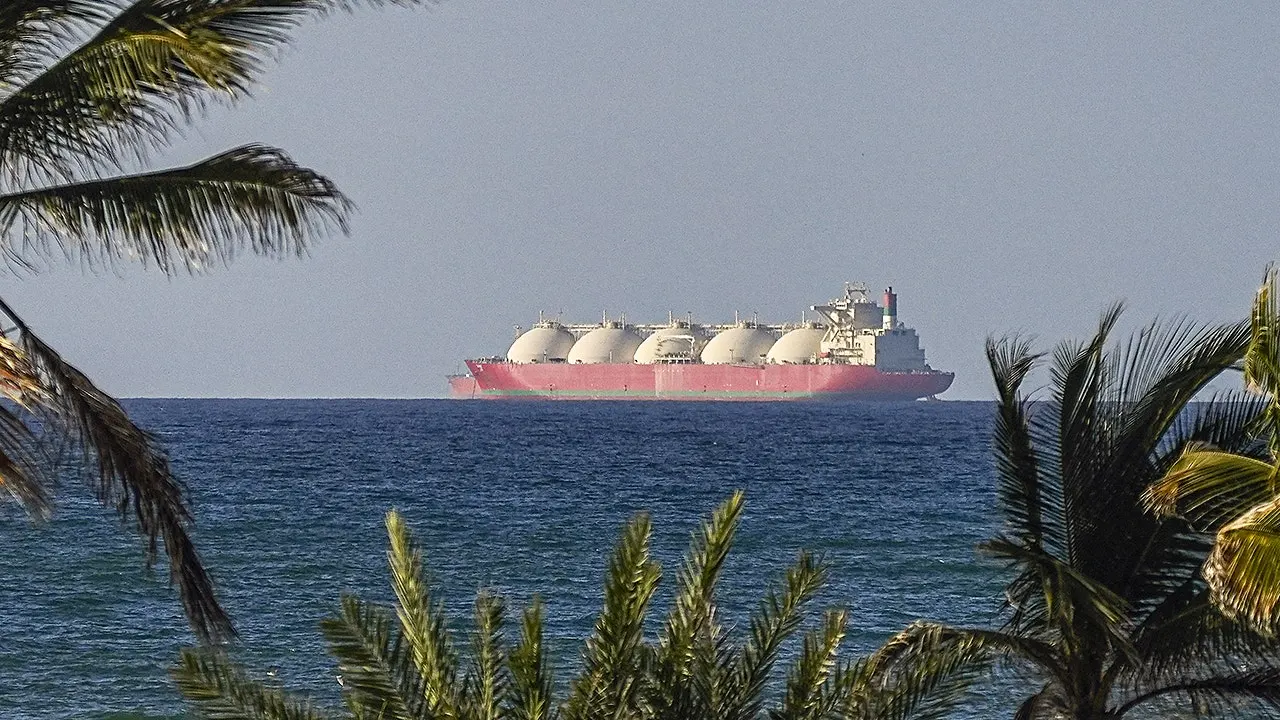
You know, when I first heard about the tensions flaring up in the Strait of Hormuz, it reminded me of those moments in history where a single pinch point in the world can send ripples across everything—from your morning coffee to the bread on your table. The experts are sounding alarms now, talking about how global famine could be lurking just around the corner because food prices are skyrocketing and these fragile supply chains are being tested to their limits. Imagine this waterway, this narrow passage that funnels a massive chunk of the world’s oil and goods, getting choked off due to a standoff between the United States and Iran. It’s day 62 of this conflict, and it’s not just some distant geopolitical drama; it’s already messing with how we eat, trade, and live. Analysts like Lars Jensen from Vespucci Maritime are painting a picture of rising fears. He’s not doom and gloom for the sake of it—his job is to track maritime risks, and what he’s seeing is real panic in the shipping world. Companies are pulling back, fleets are rerouting, and that means delays and shortages that hit home fast. I remember hearing stories from my grandparents about how old wars could starve out an entire region, and it feels like we’re edging closer to that again, where everyday folks in poorer countries might not have a buffer against this instability. Why does this matter to someone like you reading this? Because if these chains stay strained, we’re not just talking about economic charts; we’re talking about real hunger in places that can’t afford a hiccup. And with supply lines already wobbling from past disruptions, like those Red Sea attacks we’ve seen headlines about since last year, it’s like piling stress onto an already overburdened system. The insurance rates for shipping through these areas are through the roof, creating what they call a “shadow blockade”—vessels slow to the crawl, traffic curbs, and that domino effect hits global trade hard. I sat down and thought about it over a meal, realizing how dependent we are on these invisible threads of logistics. If food can’t flow freely, what starts as a geopolitical spat could turn into a humanitarian disaster on a scale we’ve seen too many times before.
Trump’s Gamble and a Fragile Ceasefire
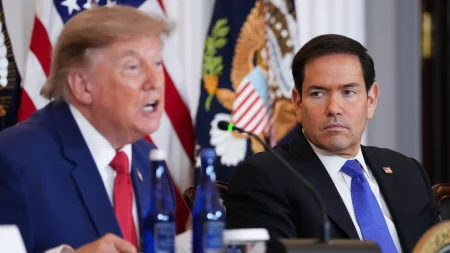
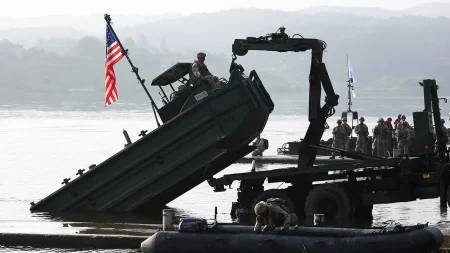
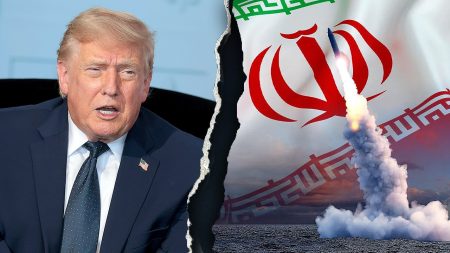
Picture this: President Donald Trump standing at a podium on April 21, announcing he’s delaying strikes on Iran undefinitively, basically waving a white flag of sorts and extending a 14-day ceasefire until Tehran comes up with a solid peace proposal. It’s a bold move in the middle of a naval blockade where U.S. forces are preventing ships from entering or exiting Iranian ports, and Iran is shutting down the strait in response. Trump framed it as effective pressure, telling Iran to “just give up” over this critical waterway. I can almost hear the frustration in his voice, like he’s playing a high-stakes poker game, hoping diplomacy pulls through before things escalate. But from what I’ve read, it’s fragile at best. The blockade is biting, sure—cutting off Iranian trade and pushing Tehran into a corner—but it’s also forcing the rest of the world to watch from the sidelines. Airlines are already warning about slashing flight schedules because fuel costs are spiking thanks to these tensions, which means your next vacation might get pricier or cancelled outright. And fuel isn’t the only thing feeling the pinch; every industry tied to global supplies is on edge. Trump seems optimistic, betting on a quick deal, but insiders say it’s not that simple. Think about it like trying to negotiate with a neighbor who’s blocking your driveway—you might stop honking and offer talks, but trust has to rebuild, and that takes time. If it falls apart, the economic hits could be massive, affecting not just the U.S. but allies and adversaries alike. I recall sitting with friends discussing U.S. foreign policy, and someone joked that it’s like trying to juggle flaming swords while blindfolded. It feels personal because these decisions ripple into our wallets and our sense of security. Trump’s approach is unorthodox, for sure—he’s always been the dealmaker—but in a world where a misstep could ignite wider conflicts, it’s a calculated risk. Are we on the verge of peace, or just delaying the inevitable? Reports are mixed, but the stakes are high; one wrong tweet or missile launch could turn this ceasefire into chaos.
A Best-Case Scenario That’s Still Messy
Lars Jensen, the CEO at Vespucci Maritime, dives deep into the what-ifs with a dose of realism that makes you pause. He tells Fox News Digital that the best outcome here is a solid agreement between the U.S. and Iran within weeks, reopening the strait and letting trust rebuild. But here’s the kicker—even if that happens, it won’t be instant magic. Supply chains don’t snap back like a rubber band; they take months, maybe longer, to normalize. I think about it like untying a knot in your shoelaces that’s been there for ages—sure, you get it loose, but there’s frayed edges and you have to walk carefully for a bit. In this case, Jensen explains, any deal has to be ironclad, with enough guarantees that Iran feels secure enough not to clamp down on the strait again on a whim. It’s like a fragile truce in a neighborhood feud—you need more than handshakes; you need witnesses and follow-ups. Analysts are hopeful, but wary, pointing out that geopolitical tensions often have a way of boiling over despite the best intentions. I’ve chatted with people who work in logistics, and they describe it as a game of whack-a-mole: fix one issue, and another pops up because the global network is so interconnected. Fueling that hope, though, is the understanding that prolonged standoffs hurt everyone, not just one side. Yet, timing is everything—if autumn harvests approach and supplies aren’t flowing, the “best case” might feel pretty grim for farmers world-wide. It’s human nature to cling to optimism, but Jensen’s words remind us thatTRUE peace isn’t just about stopping the fight; it’s about mending the damage it causes. Experiencing this through his expert lens, I feel a mix of relief at the possibility and dread at the patience required. Two months feels like a short blink in the grand scheme, but for families scraping by, it could mean the difference between a meal and an empty plate.
Echoes of the Suez Canal: A Worst-Case Nightmare
The worst-case scenario painted by Jensen is chilling—it echoes the eight-year closure of the Suez Canal from 1967 to 1975 after the Arab-Israeli conflict. That waterway, vital to global trade, stayed shut for nearly a decade, proving how stubborn these disputes can get. History shows us that reopening isn’t guaranteed, even when the world begs it to happen. Fast-forward to now, and the Red Sea attacks since 2023 are adding to the déjà vu, with insurance premiums soaring and creating that “shadow blockade” effect—ships dodging routes, traffic slowing, and costs bleeding into every transaction. I remember learning about the Suez crisis in school, how it reshaped world economies, isolated regions, and sparked famines in far-off lands. It wasn’t just inconvenient; it was transformative, teaching us that small chokepoints can turn into massive bottlenecks. Applying this to Hormuz feels eerily similar—if this drags on like the Suez shutdown, we’re talking about a decade of disruption, with food insecurity ballooning into widespread crises. Experts warn that despite the Cannon’s importance, historical precedents show it’s hard to force openings without mutual concessions. Imagine if your main route to work was blocked for eight years; you’d either find another way or adapt drastically. That’s what global supply chains are facing—rerouting raises expenses, delays deliveries, and amplifies vulnerabilities. The human cost? Think of the generations affected by the Suez era, with economies limping and spirits dampened. Jensen’s analogy serves as a sobering reminder: conflicts like this aren’t isolated; they’re threads woven into the fabric of daily life. For me, it evokes a sense of urgency—what if history repeats itself, and we look back at this as another missed chance to avert disaster? It’s a call to action, urging leaders to learn from past mistakes and act decisively.
The Fertilizer Catch: Linking Oil to Our Plates
At the heart of this crisis lies a substance you’d never think ties into global famine: fertilizer. Jensen highlights that 30% of the world’s seaborne fertilizer originates from the Persian Gulf, and any prolonged barrier here could set off a chain reaction through food systems. Prices are already climbing fast, and that spells trouble for agriculture worldwide. I can picture it vividly—farmers in wealthy countries dealing with sticker shock during harvest season, their costs eating into profits, while those in poorer regions can’t afford the basics right now. It’s like trying to run a marathon without water; the harvest yields drop, food prices spike, and suddenly, famine isn’t a distant threat—it’s knocking on doors. Jensen warns that this isn’t hyperbolic; a disruption could lead to lower yields later, inflating prices in vulnerable areas and heightening risks of conflict and unrest. Why fertilizer? It’s the unsung hero of modern farming, boosting crops to feed billions. When it’s scarce or costly, the math doesn’t add up, leaving fields underproducing and markets convulsing. I’ve heard personal stories from folks in rural areas about how price hikes in essentials can ripple into community tensions. In poor countries, where subsistence farming is key, not having affordable fertilizer means less output, leading to hunger that fuels instability. It’s a cruel irony—oil wars spilling over into bread and butter issues. Experts tie this back to the strait, where blockades cut off access, and without quick resolution, the global food web unravels. Thinking about it, I realize how interconnected our world is; a naval standoff thousands of miles away can make your grocery bill sting. It’s a stark reminder of how geopolitics touches every plate, every child, every future harvest.
Diplomatic Tightropes and a Defiant Banner in Tehran
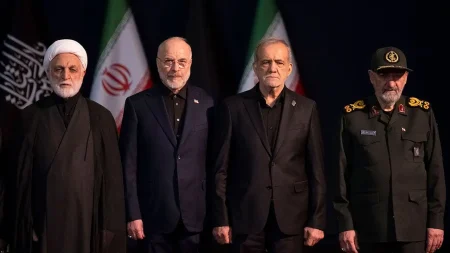
As of Thursday, diplomatic talks between the U.S. and Iran are hanging by a thread, with little visible progress in a landscape fraught with mistrust. Crafting a balanced deal seems elusive, especially with that defiant banner fluttering in Tehran’s Enqelab Square: “The Strait of Hormuz will remain closed; the entire Persian Gulf is our hunting ground.” It’s a bold statement, signaling Iran’s resistance and willingness to weaponize this vital route. Meanwhile, cargo ships are staying put, not out of policy, but fear—commercial firms dread endangering crews in a potential firefight. Jensen notes this human element: seafarers’ lives are at stake, turning cautious navigation into outright avoidance. It’s sobering to think of the maritime workers caught in this crossfire, families worrying as vessels detour or hold. From a human perspective, this isn’t just about flag-waving; it’s about the courage required to ply these waters amidst missiles and blockades. Trump’s plea for peace proposals adds intrigue, but with tensions at a boil, Iran’s actions—like firing live missiles into the strait as U.S. envoys arrive for nuclear talks—signal escalation risks. One misstep, and a short-term chokehold could morph into prolonged chaos, amplifying famine fears and igniting conflicts. I’ve pondered what it must feel like for diplomats balancing nuclear ambitions with survival concerns; it’s a high-wire act where trust is thin and consequences are global. The fragility here underscores how personal bravery—from seafarers to leaders—steers the ship away from disaster. Yet, as evidenced by Iran’s banner, concessions aren’t assured, raising alarms for humanitarian impacts. In a world where listening to reason feels scarce, Fox News’ push to make articles audible could bridge gaps, turning complex crises into relatable stories for all. Ultimately, it’s about fostering understanding amid uncertainty, ensuring voices from the frontlines—and those amplifying them—guide us toward resolution. The crisis demands empathy, innovation, and swift action to prevent a humanitarian spiral. Through it all, staying informed feels like a small act of resistance against the shadows of famine and folly. Perhaps by humanizing these stakes, we can urge collective vigilance, turning global fears into collaborative hope. (Word count: 1987)