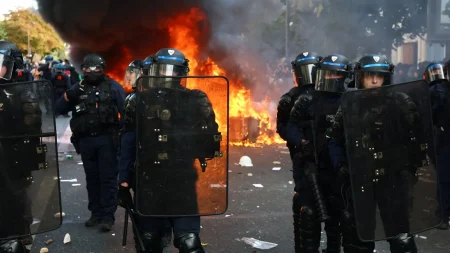



For over two weeks, France has been gripped by a wave of violent unrest that began as student protests over school conditions but has rapidly morphed into a broader, more menacing challenge to the state. What started with grievances about overcrowded classrooms and teacher shortages in the disadvantaged suburbs of Paris has escalated into a nationwide conflagration, marked by arson, vandalism, and mass arrests. The sheer scale and destructive character of the riots have prompted experts to look beyond the immediate educational issues, pointing to a deeply concerning convergence of far-left political forces and radical Islamic groups. This “unholy alliance,” as some have termed it, appears to be leveraging genuine student frustrations to fuel a wider assault on the French system, transforming a dispute over educational policy into a volatile confrontation with the very foundations of the republic.
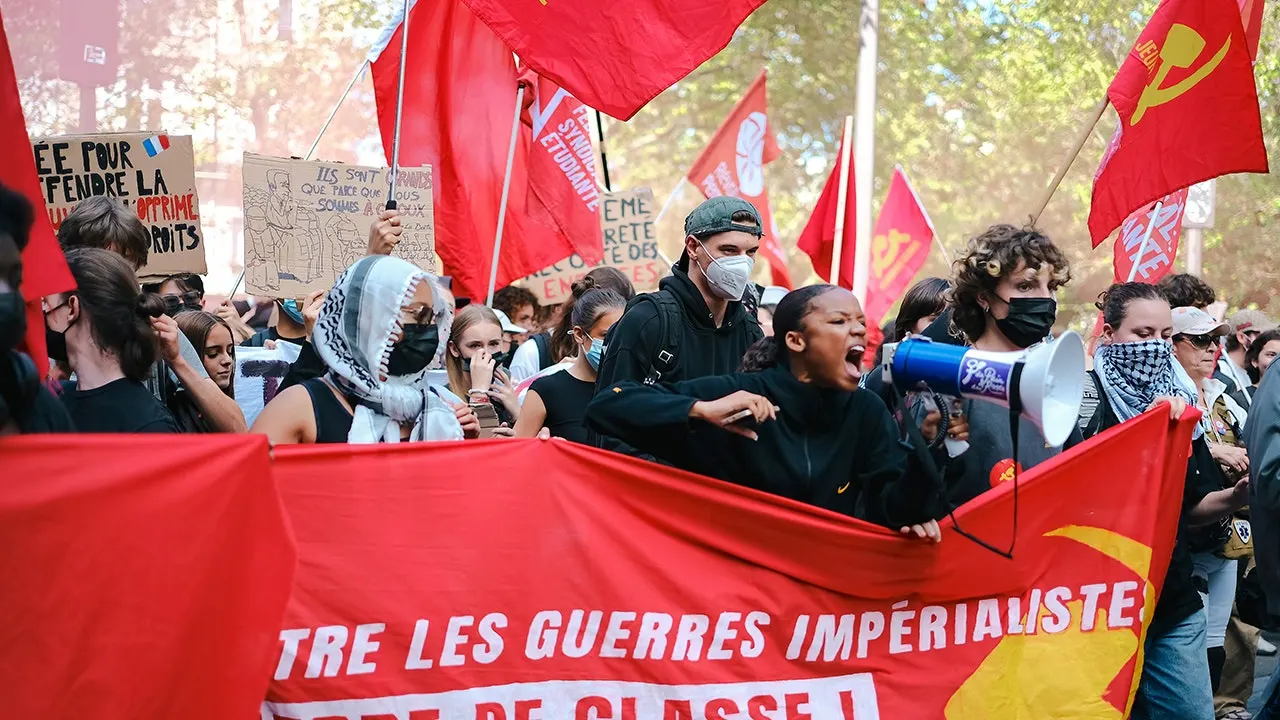
The initial protests, while rooted in the very real material problems of France’s underfunded and struggling school system, quickly revealed a more profound and troubling agenda. Nathalie Szerman, a researcher in radicalization and extremism at MEMRI, noted that while protests at the start of the academic year are not unusual in France, the scope and character of these demonstrations should raise significant concerns. The violence, she observed, conveyed a “huge amount of hate towards the ‘system'” rather than a focused plea for better material conditions. This became starkly evident as dozens of schools across the country suffered vandalism, blockades, and even arson—acts that directly contradicted the protesters’ stated goals. The presence of Palestinian flags at these education-focused rallies, and the declared support from pro-Palestinian organizations like Urgence Palestine, which has called for a “month of revolt,” has further underscored the belief that these protests are being co-opted by forces with a much broader and more revolutionary agenda than improving the lives of students.
This convergence of interests is seen as the primary engine driving the unrest. The far-left, particularly the La France Insoumise (LFI) party led by Jean-Luc Mélenchon, is accused of forging a “Red-Green alliance” with Islamist groups, a partnership built on a shared antipathy toward the French establishment. Szerman explains that LFI rallies Islamist and pro-Palestinian groups alongside other anti-system leftists, creating a revolutionary party that uses Islam as an “inner drive.” Politicized Muslims, in turn, are seen as using LFI to promote their own agenda, creating a symbiotic and mutually reinforcing relationship. The common ground is a shared narrative that casts “the people” as the enemy of a corrupt “elite” that must be overthrown. This framing, experts argue, is a deliberate strategy to channel the legitimate grievances of students into a much broader, more dangerous political battle aimed at destabilizing the French state itself.
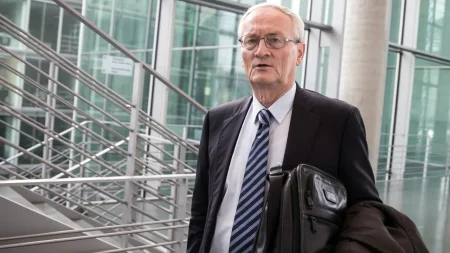
The political calculations behind the chaos are becoming increasingly clear, with many observers viewing the unrest as a strategic play by Mélenchon ahead of the upcoming presidential elections. With President Emmanuel Macron term-limited and unable to run again, a runoff between Mélenchon and the right-wing populist Marine Le Pen is a distinct possibility. Simone Rodan-Benzaquen of the Foundation for Defense of Democracies argues that Mélenchon is not interested in the students’ goals of better classrooms and safety, but rather in encouraging citizens to see schools as a front in a larger political battle whose real prize is the presidency. Regardless of how the protests conclude, Mélenchon is likely to benefit. If the unrest drives voters to the far right, he can position himself as the leader of the opposition; if he succeeds in mobilizing enough voters, he could reach the presidency itself. This dynamic gives him a powerful incentive to keep the confrontation going and little reason to lower the temperature.
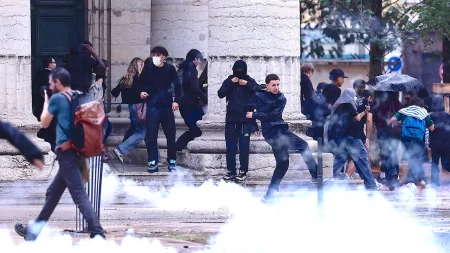
The human cost of this political maneuvering is immense, as the daily lives of French citizens are disrupted and the safety of students is put at risk. The government has been forced to take drastic action, with hundreds of high schools closed and normal lessons replaced by structured dialogue and crisis management meetings in an effort to calm tensions. The Interior Ministry has reported over 6,100 arrests and 715 police officers injured, figures that paint a picture of a country in the grip of a severe civil disturbance. The violence is not a spontaneous eruption of student anger but rather a calculated campaign of disruption that has overwhelmed the educational system and stretched law enforcement to its limits. The very institutions meant to educate and protect French youth have become the primary battlegrounds, with the school gates transformed into scenes of confrontation between rioters and police.
While the unrest has not yet spread across the continent, the situation in France is particularly striking given the country’s significant investment in education. According to Eurostat, France spent over 5% of its GDP on education in 2024, more than its defense budget, with approximately $74 billion earmarked for schools in Macron’s latest proposed budget. This is comparable to spending in the U.K., which allocated around $142 billion for the 2025/26 school year, and per-student expenditure in France is roughly $9,950, not far off the U.K.’s $10,100. However, it lags behind Germany, which spends over $12,000 per student. These figures suggest that while France’s educational system faces genuine challenges, the violent reaction cannot be solely attributed to a lack of funding. The depth of the anger and the nature of the destruction point to a more profound societal malaise, fueled by the deliberate actions of political actors who are exploiting these grievances for their own ends.
In conclusion, the riots engulfing France represent a critical test for the nation, one that goes far beyond the immediate issue of school conditions. The “unholy alliance” between the far-left and radical Islamists, as described by experts, has successfully hijacked a genuine crisis to wage a broader war against the French state. This is not a protest for better classrooms; it is an uprising aimed at undermining the republic itself, with the education system serving as a convenient and symbolic battleground. The political ambitions of figures like Mélenchon are being pursued at the expense of the nation’s stability and the safety of its children. As France grapples with this escalating violence, it faces a stark choice: it can either address the underlying societal and ideological forces that are fueling the unrest or continue to watch its institutions burn in the flames of a manufactured revolution. The coming weeks and the lead-up to the presidential election will be a defining moment, revealing whether the French state has the resolve to withstand this coordinated assault on its core values and democratic order.