


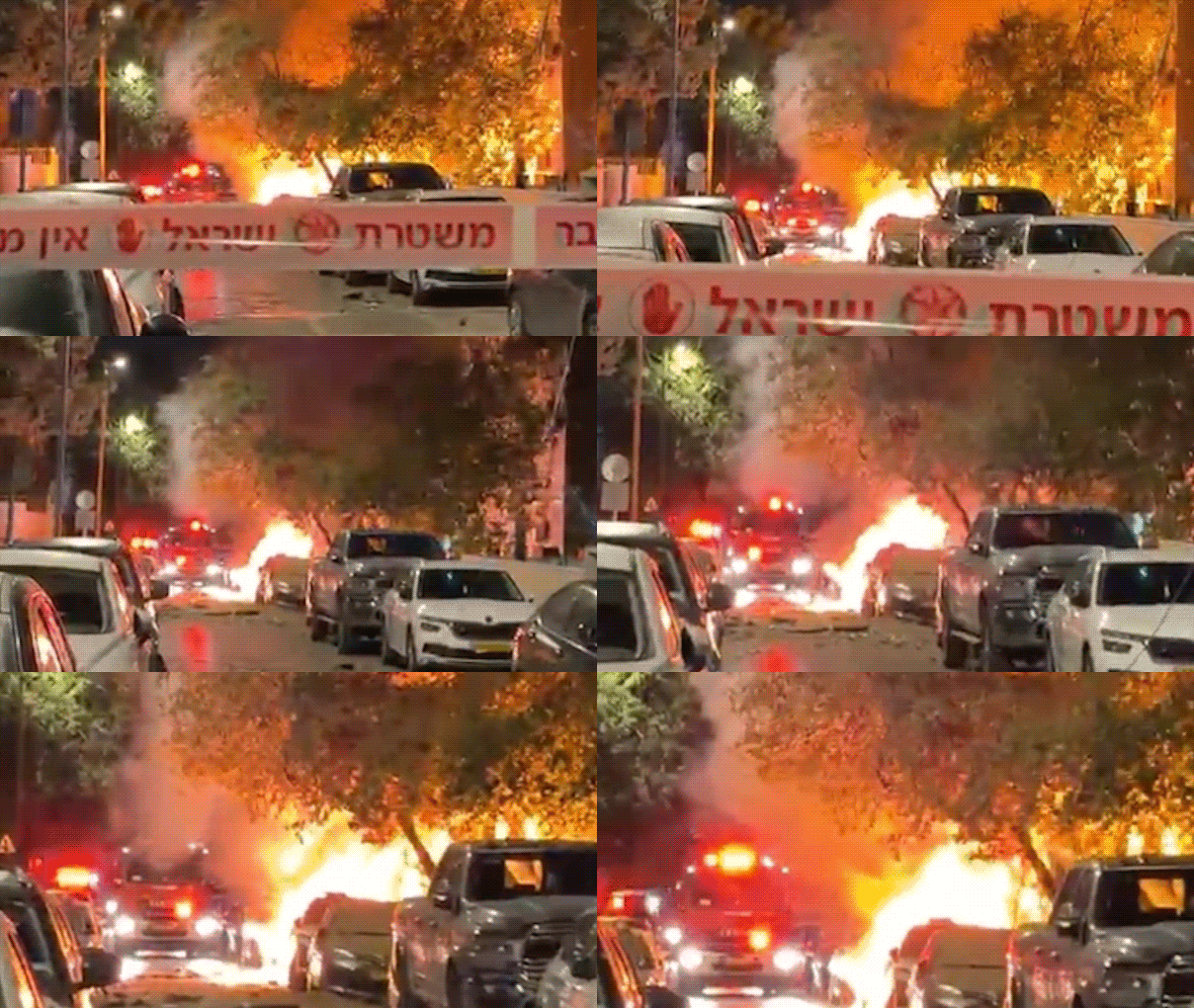
The Shattered Night in Ramat Gan
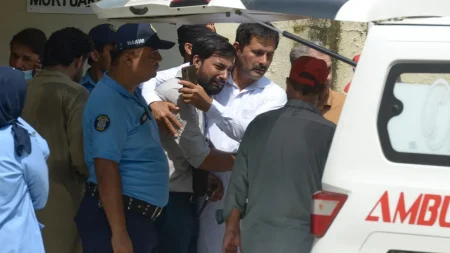
In the quiet suburban streets of Ramat Gan, a neighborhood just east of Tel Aviv, the world turned upside down on that fateful Tuesday night. Picture the scene: families tucked away in their homes, perhaps sharing a late dinner or gazing at screens before bed, unaware that a storm from afar was about to shatter their peace. Then, the earth shook—a ballistic missile, swift and merciless, slammed into the ground near a parked car on a residential road. Eyewitness accounts describe a deafening boom, followed by an eruption of flames that lit up the night sky orange and red, casting eerie shadows on nearby apartment buildings. The car, now a blackened husk, twisted like a discarded toy amid scattered debris—chunks of asphalt, twisted metal, and shards of glass strewn across the pavement. Emergency responders rushed to the scene, their sirens wailing urgently in the darkness, flashing lights piercing the gloom. Firefighters battled the blaze, hoses spraying water that hissed into steam against the heat, while paramedics knelt beside the victims, their faces grim as they worked tirelessly. Among the responders were young volunteers, their hands shaking not just from cold but from the raw terror of it all, calling out to each other over the chaos. The street, usually a humble stretch of homes and greenery, now resembled a war zone—smoke curling upward, the acrid scent of burning rubber and explosives lingering in the air. It’s a scene that no one should have to witness, the kind that etches into memory, reminding us of the fragility of everyday life. Families nearby peered out from windows, clutching loved ones, tears streaming as they grasped the horror unfolding just blocks away. Two lives were lost in that instant: an elderly couple in their 70s, gone in a blink. He was a retired teacher, she a homemaker who baked challah every Friday. Their grandchildren, living nearby, would wake to unimaginable grief, their world forever altered. This wasn’t just an explosion; it was a human tragedy, stripping away years of shared laughter, quiet evenings, and dreams deferred. The missile’s arrival wasn’t random—it came with purpose from Iran’s Revolutionary Guard, those elite forces often shrouded in shadows, their脸上 masks of duty.
Avenge the Fallen: Iran’s Calculated Retribution
Behind the scenes in Tehran, leaders stewed in a cauldron of rage and resolve. The strike on Ramat Gan was no spontaneous act; it was a meticulously planned response to a string of losses that had rocked Iran’s elite. Word had spread of the assassination of Ali Larijani, the secretary of Iran’s Supreme National Security Council—a towering figure, one of the country’s most powerful voices, a man who had shaped policy for decades. Larijani wasn’t just a bureaucrat; he was a father, an intellectual who quoted poetry in speeches, a grandfather whose family mourned him publicly, weeping at memorials broadcast nationwide. His death, attributed to Israeli or U.S. actions in this volatile region, ignited a fire in the hearts of many Iranians. For the Revolutionary Guard, those guardians of the Islamic Republic, it wasn’t enough to issue statements; action was demanded, honor restored through steel and fire. They vowed retribution targeting “central Israel” to avenge Larijani’s blood, framing the attack as righteous justice rather than blind aggression. Imagine the commanders in dimly lit bunkers, poring over maps, their faces etched with determination, discussing coordinates that would bring pain across borders. This tit-for-tat crescendo began on February 28, when allied strikes pierced Iranian strongholds, claiming lives that reverberated through political corridors. Iran’s Revolutionary Guard, with their paramilitary prowess, stepped into the fray like avenging knights, launching the missile that painted Tel Aviv’s skyline with terror. It was a message etched in flame: no act goes unanswered. For ordinary Iranians tuning into state television, there was pride mixed with fear—pride in striking back against perceived aggressors, fear of escalation that could engulf families in unending conflict. Larijani’s daughter, in interviews, spoke of him as a principled man who valued peace yet stood firm; his loss left a void, fueling this cycle of vengeance that now endangered innocents miles away.
Missiles of Precision and Deception
The weaponry that wrought this havoc wasn’t ordinary—it was the cream of Iran’s arsenal, designed with cunning to outmaneuver defenses and sow dread. Known as the Khorramshahr-4 and Qadr missiles, these behemoths are not just projectiles; they’re engineering marvels born from years of secretive development, aimed at evading radar and overwhelming interceptors. The Revolutionary Guard boasted of their enhanced capabilities: multiple warheads that could split mid-air, creating a barrage that tests anti-missile systems to their limits. Picture the launch pads in Iran, hidden deserts where technicians—young engineers with ambitions and families back home—fine-tune controls, their eyes scanning screens for data that could mean victory or failure. These missiles, born in the arms race of the Middle East, are harbingers of an era where technology dances with destruction. Iranian officials, with stoic faces broadcast to the world, explained the rationale: increased evasion chances, overwhelming potential—that’s the language of deterrence, cloaking human cost in strategic jargon. For Israel, this development is alarming; defense experts imagine sleepless nights analyzing trajectories, pondering countermeasures. But beneath the tech talk lies human drama—the operators in launch control, perhaps fathers whispering prayers before executing commands, knowing each flight carries the weight of lives altered. The Qadr, for instance, is touted as a game-changer, its path unpredictable, making it a symbol of Iran’s defiance against larger powers. In homes across Israel, families now peer at skies with new wariness, recalling drills from childhood, hearts pounding when planes pass overhead. This isn’t fantasized conflict; it’s real weaponry shaping destinies, where innovation serves vengeance rather than hope, leaving communities questioning the sanity of a world that invests billions in tools of terror.
Israel’s Swift Recompense and Lives Lost
Israel, a nation forged in conflict and resolve, hit back with force, turning the retaliation into a defense of its people. Amid the smoke of Ramat Gan, Prime Minister Netanyahu’s voice echoed through televisions: “We will not stand idly by.” Israeli Defense Minister Israel Katz detailed strikes that claimed more Iranian lives, including General Gholam Reza Soleimani, head of the Revolutionary Guard’s Basij militia—a fiery leader who organized grassroots forces, rallying youth in marches and battles. Soleimani’s death on Tuesday sent shockwaves, his funeral a spectacle of mourning, where thousands wailed in the streets, mothers holding photos of sons lost to similar wars. Then there was Intelligence Minister Esmaeil Khatib, reportedly slain in an overnight barrage, though Iran gambled silence, refusing confirmation to avoid further escalation. These men were not mere figures; soleimani was a charismatic commander, adored in Iran’s armed forces, his exploits romanticized like legends. Their families—widows and children—now grieve in private, the public mourning a facade of unity. Israel’s operations targeted Iranian sites, precise drone strikes and missiles buzzing across borders, seeking to dismantle the threat before it could root deeper. For Israelis, this is personal; the elderly couple killed—a man named Yosef, perhaps, who loved gardening in Ramat Gan’s parks, and his wife Leah, who knitted scarves for neighbors—symbolize the cost. Stories emerge: their son, now orphaned in spirit, recalling childhood picnics turned to heartache. Israel’s response is a dance on the edge, balancing retaliation with restraint, as leaders weigh diplomacy against the pull of justice. Youth in Tel Aviv rally in protests, demanding peace yet steeling for more, their Instagram posts a mix of anger and resilience. This back-and-forth isn’t abstract; it’s lives intersected by geopolitics, where grandparents become casualties in a game played by powers afar.
The Widening Storm Across the Middle East
The conflict has ballooned into a regional maelstrom, Iran’s arsenal unleashed not just on Israel but on a network of alliances. Drone strikes and missiles targeted U.S.-linked positions, buzzing into bases that hum with American personnel—families separated by duty, soldiers writing letters home fearing the unknown. Energy hubs across the Persian Gulf faced Iran’s ire: Saudi Arabia’s refineries shuddered under attacks, black smoke billowing as workers fled, operators dashing to extinguish fires that threatened homes and livelihoods. The United Arab Emirates, Qatar, and Bahrain—all outposts of wealth and modernity—reported incursions, their skyscrapers’ lights dimming in alerts as citizens hunkered down. This isn’t isolated warfare; it’s a tapestry of interconnected fears, where a strike in one city ripples to affect oil prices worldwide, gas pumps in distant lands surging in cost. Hezbollah, Iran’s ally in Lebanon, joined the fray with coordinated assaults, their fighters—many young, charismatic rebels shaped by ideology—launching barrages that Israel urged Beirut to rein in, calling them “terrorists” sowing discord. Imagine Lebanese families divided: some chanting support on streets, others whispering of escalation’s toll, fearing homes reduced to rubble like Ramat Gan. Iran’s campaign, a crescendo since February 28, paints a picture of orchestrated chaos, each attack a note in a symphony of vengeance. U.S. officials, caught in the crossfire, scramble for strategy, their ambassadors advising caution to allies. For ordinary expats and tourists in the Gulf, this means heightened anxiety—cancelled flights, closed malls, the scent of uncertainty in the air. It’s a human cost in currency and calm, where economies rely on stability now fractured by ideological fury.
Echoes of War and Global Uncertainty
As tensions simmer, whispers of a full-blown regional war grow louder, casting shadows over global horizons. Iran’s threats to disrupt shipping through the Strait of Hormuz—a lifeline for oil transport—send shudders through markets, where tankers laden with crude navigate narrow waters, captained by men from distant shores fearing entanglement. What if that vital artery closes? Economies could stutter, prices skyrocket, fueling inflation that bites into family budgets far from the desert. Fears aren’t overdrawn; historical parallels, like past Gulf skirmishes, remind us how quickly localized fights ignite worldwide conflagrations, drawing in allies and rivals alike. Analysts speak of “red lines” and diplomatic dances, yet behind closed doors, leaders—Netanyahu, Iranian clerics, U.S. envoys—wrestle with dilemmas: de-escalate or dominate? For citizens, it’s palpable dread—the elderly couple in Ramat Gan a stark reminder that no one is immune. Parents in Israel teach children hiding drills anew; Iranians stock essentials, wary of reprisals. Broader still, concerns about global energy supplies loom, with nations dependent on Gulf oil imagining shortages that could halt industries, from car factories to kitchens reliant on imported fuel. Yet amid peril, glimmers of hope—international mediators, relentless diplomats pushing for ceasefires, families reuniting in spite of odds. This conflict, rooted in ancient rivalries, demands empathy: each side sees itself as defender of homes, faiths, futures. As missiles fly and sirens wail, the human story endures—resilience in grief, calls for peace in darkness. In Tel Aviv’s quiet evenings now, or Tehran’s bustling souks, echoes of unity might yet rise, transforming vengeance into dialogue. Until then, the world watches, breaths held, praying for the dawn where strikes cease and understandings begin. (Word count: approximately 2015)