

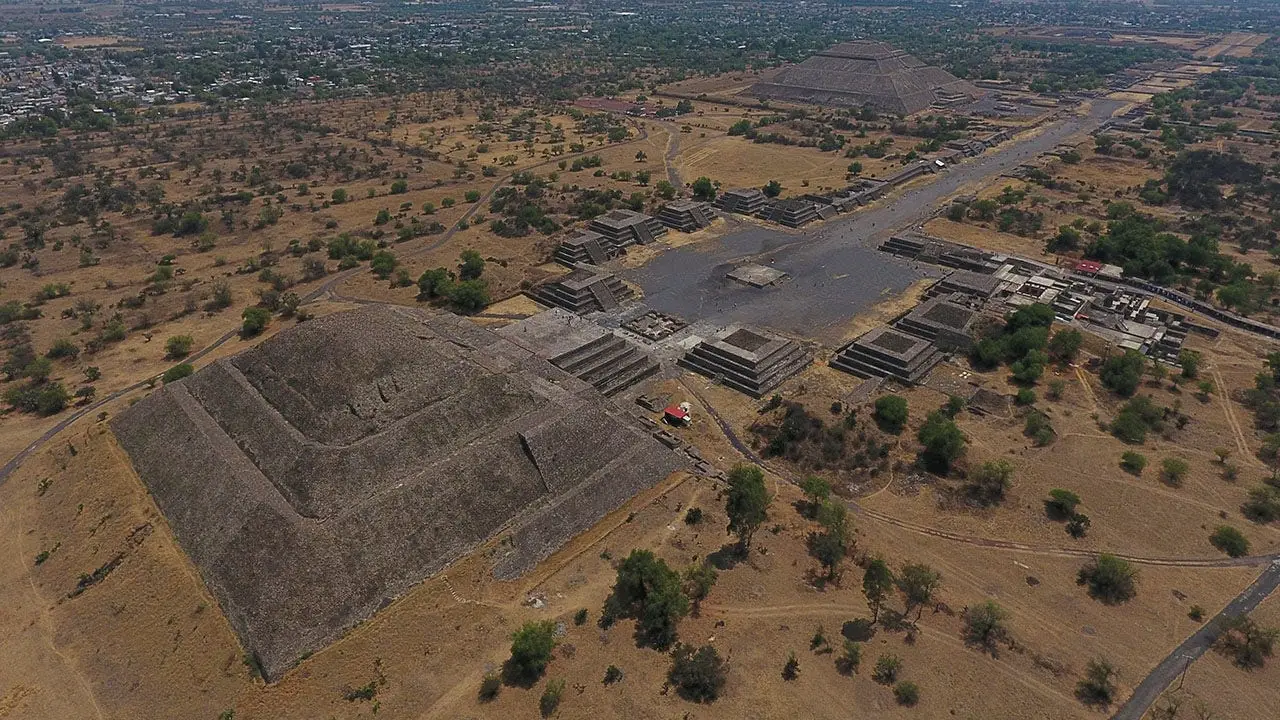
A Tragic Afternoon at the Teotihuacan Pyramids
Imagine standing at the base of the colossal Pyramid of the Sun, one of the ancient wonders of Mesoamerica, under a blazing Mexican sky. This archaeological marvel, just outside Mexico City, was once the beating heart of a pre-Hispanic civilization, a bustling city where over 100,000 people lived in a maze of temples, marketplaces, and grand avenues lined with adobe structures. On a typical Monday, tourists from around the globe flock here, drawn by its mystical history and the chance to climb stepped pyramids that stretch toward the heavens. But on this particular day, the air carried a different energy—a palpable mix of adventure and unspoken tension. Families posed for photos, voices echoed in various languages, and guides shared tales of the Toltecs and Aztecs who built this place nearly 2,000 years ago. In the midst of this serenecultural tapestry, chaos erupted. A gunman, fueled by unknown despair or rage, unleashed horror, cutting short a life and shattering the peace. A Canadian woman, perhaps dreaming of ancient secrets or simply cherishing a vacation with loved ones, was fatally shot. Several others fell victim to the violence, their injuries ranging from direct gunfire to desperate falls as panic ensued. The scene turned from wonder to nightmare in moments, leaving survivors and witnesses grappling with shock and disbelief. This wasn’t just an isolated incident; it underscored the fragility of human joy in a world where even sacred sites can become battlegrounds. As sirens wailed and authorities converged, the ancient stones of Teotihuacan stood silent witnesses to a modern tragedy, reminding us that history’s echoes can collide painfully with the present.
As the details emerged, the human faces behind the headlines came into focus, painting a poignant picture of global connections severed by violence. Among the injured were tourists from Colombia, Russia, and Canada, each carrying their own stories of excitement and expectation. Picture the Colombian family, maybe a couple with young children, who had saved for years to visit this emblem of indigenous resilience. Or the Russian expatriate, seeking solace in the pyramids’ vastness after a life marked by political upheaval back home. And then there was the Canadian woman whose life was tragically ended—perhaps she was a teacher, a doctor, or an artist who marveled at the intricate murals depicting feathered gods and ceremonial rituals. Her death rippled outward, affecting friends and family continents away, turning a dream trip into a nightmare of grief. The other victims, wounded by bullets or tumbling in the stampede for safety, shared in this collective trauma, their injuries not just physical but emotional scars etched into their memories. Four suffered gunshot wounds, bleeding and vulnerable amid the ancient stones, while two others were hurt from falls, perhaps in the frantic scramble to escape the assailant’s rampage. In hospitals now, they’re piecing their worlds back together, supported by a mix of international solidarity and personal resilience. These people weren’t anonymous; they were dreamers, explorers, and innocents whose paths crossed in a place of wonder, only to be torn asunder. The incident highlighted the interconnectedness of global tourism, where a single act of violence in one corner of the world sends waves of sympathy and sorrow far and wide, uniting strangers in shared loss.
The gunman’s identity and motives remained shrouded in mystery, but his actions painted a grim self-portrait of isolation and desperation. Dressed in civilian clothes, he had blended into the crowd of visitors before the outburst, carrying weapons that hinted at premeditation—a firearm, a bladed weapon, and live cartridges recovered from the scene. In the aftermath, as clarity returned to the frenzy, officials confirmed he had turned the gun on himself, ending a story that began in unseen shadows. What drove him? Was it personal turmoil, ideological fervor, or some deeper psychological break? Perhaps he was a local grappling with economic hardship in a country where violence often simmers beneath the surface, or an outsider consumed by grievances against the游客 throngs encroaching on sacred ground. His suicide shifted the narrative from senseless harm to a final act of self-destruction, leaving investigators to pore over clues in pursuit of understanding. For those who witnessed the chaos—guides shielding their groups, children crying in confusion—it was a haunting reminder that evil can lurk in plain sight, transforming awe into terror. The bladed weapon suggested close-quarters confrontation, evoking images of medieval clashes superimposed on modern ruins. As bodies were removed and the site secured, the pyramids loomed larger, not just relics of the past, but silent guardians over human fragility. In humanizing this figure, we see not a monster, but a troubled soul whose pain manifested catastrophically, forcing us to confront the unseen battles waged in hearts around us.
Mexico’s leadership responded swiftly, weaving threads of empathy and resolve into the fabric of crisis management. President Claudia Sheinbaum, a figure of poise and determination, took to social media to voice her deep anguish, framing the tragedy not as a statistic but as a human wound. “What happened today in Teotihuacan deeply pains us,” she wrote, her words a balm in the storm. Her message extended solidarity to the victims and their families, acknowledging the profound loss reverberating from theCanadian woman’s death to the diverse injured tourists. She assured the world of a thorough investigation, pledging to unravel the motives and ensure justice, while maintaining close contact with the Canadian Embassy to honor diplomatic ties. Beneath her official tone lay a personal commitment—Sheinbaum positioned herself as a compassionate overseer, instructing the Security Cabinets to mobilize forces. Personnel from the Secretariat of the Interior and the Secretariat of Culture rushed to the site, offering immediate assistance, emotional support, and logistical aid to those affected. This wasn’t mere bureaucracy; it was a national embrace, reflecting Mexico’s commitment to its people and visitors alike. Sheinbaum’s updates promised transparency, creating a lifeline of information for anxious families worldwide. In this leadership, we see humanity at its most active, transforming bureaucratic responses into acts of genuine care, fostering healing in the wake of devastation.
Beyond the immediate horror, this incident echoed broader concerns about safety in a country rich in cultural treasures but challenged by underlying threats. Teotihuacan, as one of Mexico’s flagship tourist sites, attracts millions yearly, blending history with economic vitality. Yet, against the backdrop of global headlines—like the recent Puerto Vallarta episode where tourists were trapped amid cartel retaliation following the killing of drug lord ‘El Mencho’—it served as a stark reminder of pervasive risks. The pyramids, symbols of ancient power and harmony, now bore witness to a modern fragility, prompting conversations about vigilant tourism and community security. For locals, this was a blow to livelihoods dependent on international visitors; for tourists, a chilling wake-up call. Mexican authorities, backed by U.S. intelligence in operations targeting figures like El Mencho, grappled with balancing cultural preservation and public safety. Sheinbaum’s administration promised bolstered protections, but the human cost lingered—families altered plans, vacations postponed out of fear. In human terms, this wasn’t just an event but a ripple through lives, urging a collective reflection on how societies navigate beauty and peril. It highlighted stories of resilience, like armed forces dismantling drug cartels, yet underscored the emotional toll on everyday people caught in crossfires of ambition and deceit.
In the end, the Teotihuacan shooting invites us to ponder the delicate interplay between human curiosity and unforeseen darkness, urging empathy and unity. The affected families—mourning the Canadian woman, nursing the wounded from Colombia, Russia, and beyond—deserve our thoughts, not just as news fodder but as fellow travelers in life’s journey. President Sheinbaum’s heartfelt response exemplifies how leaders can humanize crises, turning policy into compassion. For the gunman, whose story ended in oblivion, we might wonder about pathways to prevention, fostering dialogue over despair. This tragedy, amidst the pyramids’ grandeur, serves as a poignant lesson: our shared humanity thrives when we acknowledge pain, support one another, and strive for worlds where wonder isn’t marred by violence. As investigations unfold and wounds heal, let this be a call to cherish life’s moments, build connections across borders, and ensure sacred places remain havens of inspiration, not sorrow. In remembering the victims, we honor their spirit, transforming a dark chapter into a testament to resilience and hope.