


As global leaders gather at the NATO summit in Ankara to address pressing issues like the war in Ukraine and defense budgets, a deeply troubling diplomatic crisis has quietly escalated behind the scenes. Relations between Turkey and Israel have reached unprecedented lows, marked by a sharp rise in hostile rhetoric from Turkish officials. Turkish Foreign Minister Hakan Fidan recently ignited intense international criticism after asserting in a television interview that Israel has “become a burden that humanity can no longer bear” and framing the nation as representative of “humanity’s common problems.”
These remarks provoked an immediate and deeply personal reaction from Israeli leadership, who view such language not merely as political disagreement but as an existential threat. Israeli Foreign Minister Gideon Sa’ar condemned Fidan’s statements as a dangerous form of dehumanization, drawing chilling historical parallels to the rhetoric that preceded the atrocities of the twentieth century. For many Israelis and the broader Jewish community, describing an entire nation or people as a “problem” or a “burden” evokes the darkest chapters of history, where such language paved the way for systematic violence.
This rhetoric represents the culmination of a long-term shift in Turkish foreign policy. Regional analysts point out that while Turkey and Israel once shared strong bilateral ties, relations have steadily deteriorated over the past fifteen years under President Recep Tayyip Erdoğan, accelerating dramatically following the events of October 7. Despite President Erdoğan having previously denounced antisemitism as a crime against humanity during meetings with religious minorities, his administration’s repeated use of highly charged, inflammatory language has raised serious concerns among international observers about the consistency of these assurances.
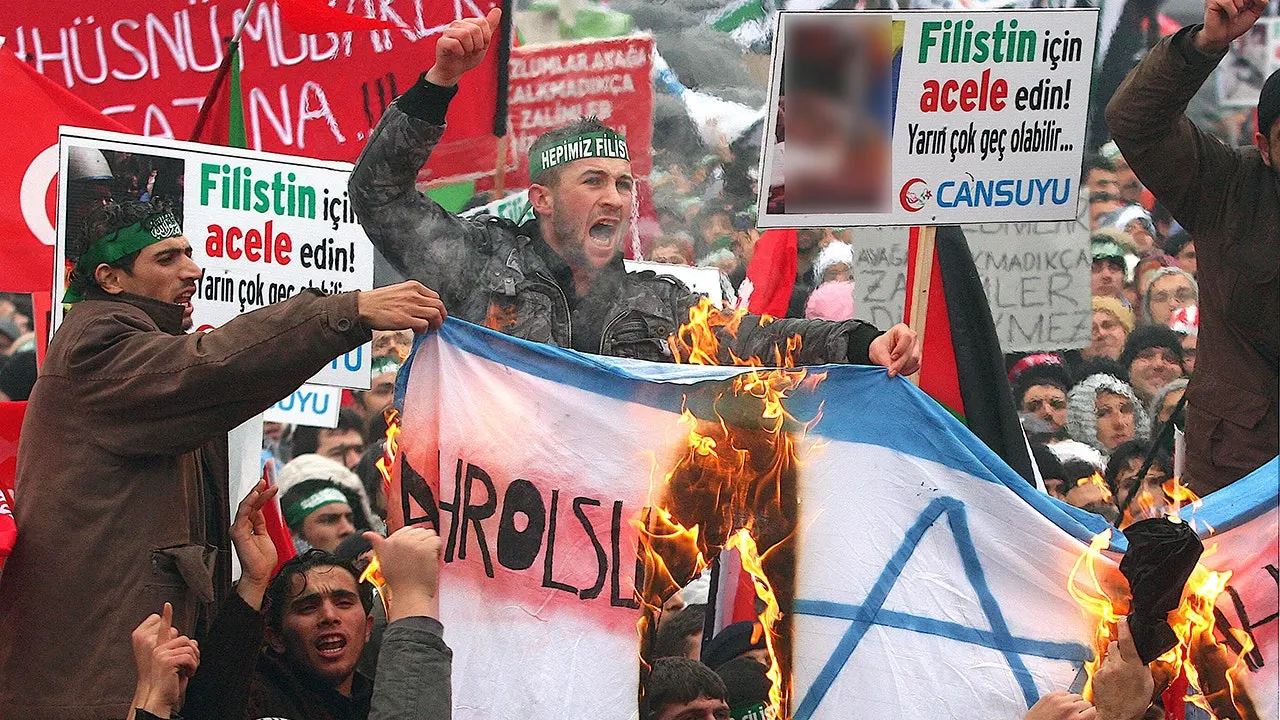
The impact of this political rhetoric extends far beyond government press rooms, deeply affecting the social fabric of the region and the lives of ordinary citizens. Recent polling indicates that disapproval of Israel has become nearly universal among the Turkish public, reflecting how deeply entrenched these geopolitical divisions have become. For families and communities with ties to both nations, the hostile climate creates an atmosphere of anxiety, making the prospect of cultural understanding and grassroots peacebuilding feel increasingly out of reach.
Faced with these rising tensions, international foreign policy experts are urging global bodies and allies, particularly the United States, to address the situation directly. Because Turkey remains a vital and strategic NATO ally, international responses have often been carefully measured, with diplomats emphasizing the multifaceted nature of the alliance. However, analysts argue that maintaining democratic norms and protecting allies requires holding partner states accountable when diplomatic rhetoric crosses the line into harmful or inflammatory territory.
As the NATO summit concludes, the challenge remains how to balance essential security alliances with a commitment to human dignity and constructive diplomacy. For the people living in the region, the hope is that leaders will shift away from polarizing language that fuels division and instead work toward dialogue that recognizes the mutual humanity of all communities. Ultimately, fostering long-term stability in the Middle East will depend on moving past hostile rhetoric in favor of communication that prioritizes safety, respect, and coexistence.