

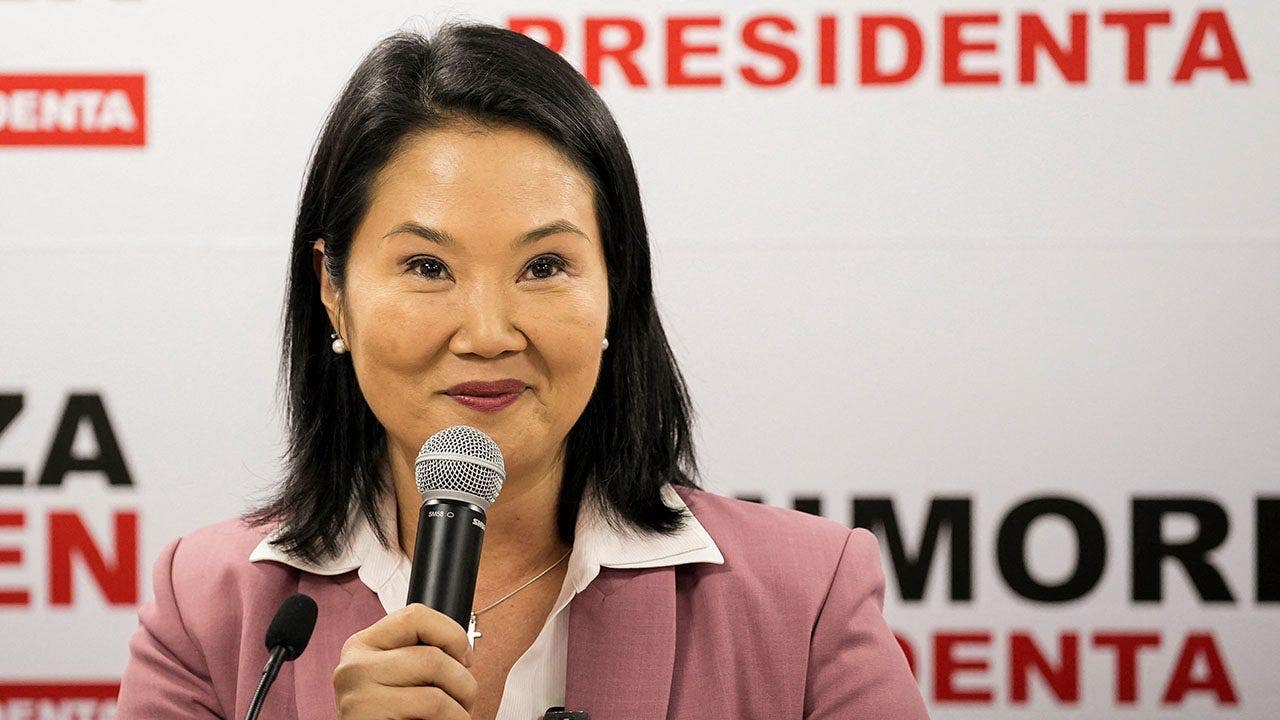
After a marathon of political ambition and relentless campaigning, Keiko Fujimori has finally captured the presidency of Peru on her fourth attempt. The 51-year-old conservative leader, daughter of the highly controversial former President Alberto Fujimori, was officially declared the winner of a razor-thin runoff election by the nation’s top electoral authority. Securing 50.14% of the vote—amounting to 9,223,000 ballots—she narrowly edged out nationalist Congressman Roberto Sánchez, who captured 49.87% in a nail-biting finish. This wafer-thin margin of victory underscores a deeply divided electorate, but for Fujimori, it marks the end of a long, grueling journey to the summit of Peruvian politics and the beginning of a monumental task: governing a country that has cycled through nine presidents in just a single decade.
Following the official certification of the results, Fujimori took to social media to express her profound appreciation to the millions of citizens who placed their trust in her vision for the future. In a heartfelt post on X, she embraced her new role with a mix of solemnity and resolve, stating that she assumes this historic responsibility with deep humility and a sense of duty to all Peruvians, regardless of how they voted. Recognizing the fractures within the country, she pledged to use the transition period as an invaluable window for active listening and open dialogue. She invited the public to join her on this new path, promising transparency as her incoming administration prepares to tackle the country’s most pressing challenges from day one.
The road to the presidency was exceptionally crowded and combative, beginning in April when Fujimori managed to emerge from a massive field of 33 presidential hopefuls to secure her place in the runoff. Throughout her campaign, she tapped into the raw anxieties of a populace exhausted by years of political gridlock, economic stagnation, and a terrifying surge in violent crime. With communities increasingly terrorized by organized crime syndicates and rampant extortion rackets, Fujimori’s central campaign promise—a uncompromising commitment to rule with an “iron fist” against criminals—resonated deeply with voters longing for safety, order, and a return to daily normalcy.
Yet, her ascent is inseparable from the complex and polarizing shadow of her family’s political history. She is the daughter of the late Alberto Fujimori, whose presidency in the 1990s remains one of the most contentious eras in modern Peruvian history. While many credit the elder Fujimori with successfully crushing the brutal Shining Path guerrilla insurgency and stabilizing a hyperinflationary economy, his regime ultimately descended into authoritarianism. His defeat of the rebels came at a terrible humanitarian cost, leading to his 2009 conviction for severe human rights abuses and subsequent corruption charges. For many Peruvians, Keiko Fujimori’s victory represents a welcome return to strongman stability; for others, it raises troubling questions about the future of the nation’s democratic institutions.
Despite these domestic anxieties, the international community has quickly moved to recognize and legitimize her victory. The United States State Department formally extended its congratulations to the president-elect, signaling a desire for strong, continued diplomatic ties. In a public statement, the Trump administration expressed enthusiasm about collaborating closely with the incoming Fujimori government, emphasizing shared goals of enhancing regional security cooperation, fostering mutual economic investment, and expanding bilateral trade agreements. This early nod of approval from Washington provides a crucial boost of international legitimacy as Fujimori prepares to assume office.
As her inauguration approaches later this month, the weight of expectation on Fujimori is immense. She inherits a nation desperate for stability after years of revolving-door presidencies, systemic corruption scandals, and deep-seated social unrest. The ultimate test of her presidency will lie in her ability to bridge the profound divides exposed by this razor-thin election. To truly succeed, she must prove to her skeptics that her “iron fist” approach to crime can coexist with a respect for constitutional democracy, ushering Peru out of its chronic instability and into a rare era of genuine peace and shared progress.