





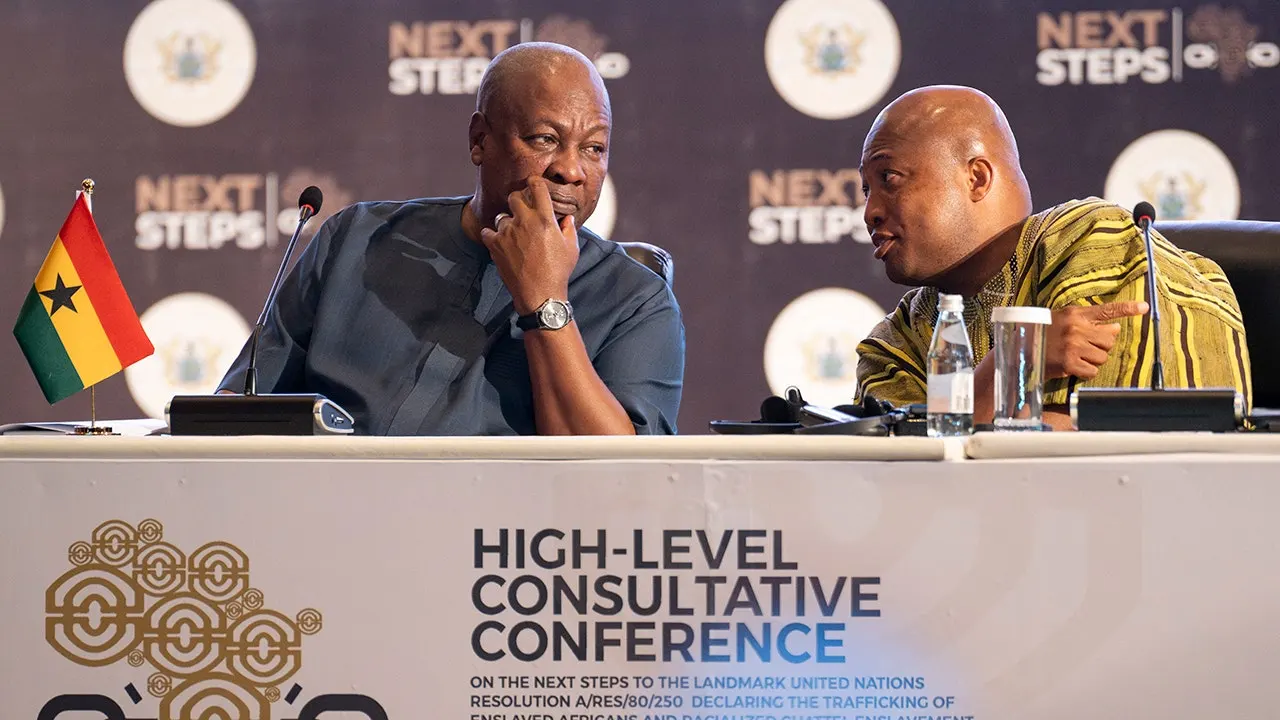
Against the backdrop of Ghana’s historic coastline, where the silent, whitewashed stone walls of former slave fortresses still overlook the Atlantic Ocean, a profound and deeply emotional chapter in the global struggle for human rights was written. In a historic three-day summit in Accra, leaders, delegates, and activists of the African Union joined forces with the Caribbean Community (CARICOM) Commission on Reparatory Justice to adopt a sweeping 19-point framework. This landmark declaration represents a powerful, unified demand for systemic justice, calling upon Western nations that built their empires on the backs of enslaved people to offer formal apologies, cancel crushing national debts, and provide direct financial reparations. For centuries, the deep physical and cultural divide of the Atlantic Ocean has separated the African continent from its vast, forcibly displaced diaspora. However, this gathering transformed that ocean into a bridge of shared memory and collective resolve, signaling a massive geopolitical shift as the global South stands shoulder-to-shoulder to demand a reckoning for the historical atrocities that laid the groundwork for modern global inequality.
At the very heart of this newly forged framework is a comprehensive, multi-layered vision of healing and restorative justice that extends far beyond simple monetary compensation. The 19-point proposal outlines the creation of a Global Reparations Fund, structured to channel resources back into communities still reeling from the ancestral trauma and systemic underdevelopment left behind by colonial powers. Crucially, the plan demands the outright cancellation of crippling national debts that continue to strangle the economies of developing nations in Africa and the Caribbean, alongside sweeping reforms to international financial systems that critics argue are designed to keep the global South in a state of perpetual economic disadvantage. The document also addresses the deep-seated cultural wounds of colonization, calling for the immediate return of stolen sacred artifacts and ancestral remains that are currently housed in European museums. Furthermore, it advocates for the realization of a “right of return” and expanded pathways to citizenship for African diaspora descendants worldwide, encouraging a reverse migration of talent, culture, and identity to the motherland, while simultaneously urging African nations to convert historic slave forts into sacred spaces of memorialization, education, and eternal remembrance.
The philosophical and moral underpinnings of this movement were eloquently captured by Ghanaian President John Dramani Mahama, who addressed the assembly with words that sought to bridge the gap between historical resentment and forward-looking accountability. Mahama reminded the delegates that the current generation cannot be held personally guilty for the horrific crimes committed by their ancestors, but they do inherit the profound moral responsibility to correct the ongoing injustices born from those crimes. This crucial distinction between personal guilt and institutional responsibility was echoed virtually from Paris by French President Emmanuel Macron, who acknowledged the unimaginable suffering of those who were brutally torn from their families, dehumanized, and traded as mere commodities. Yet, Macron’s address also highlighted the lingering diplomatic tensions of this debate, as he cautioned that reparations should never be viewed as a simple transaction or a “cheque written to bring the story to a close,” highlighting a European preference for symbolic gestures and shared development partnerships rather than direct, legally blinding financial liability.
The human cost that drives this relentless push for reparations is staggering, rooted in the tragic stories of the more than 12.5 million African men, women, and children who were violently kidnapped, bound in iron, and packed into the suffocating, disease-ridden holds of European slave ships between the 15th and 19th centuries. For those who survived the perilous Middle Passage, their reward was a lifetime of brutal, unpaid labor on Caribbean sugar and tobacco plantations, a systemic theft of human life and potential that accumulated immense wealth for European empires while systematically draining West Africa of its population, security, and wealth. The organizers of the Accra conference argue passionately that the legacy of this historical crime is not a relic of the past, but a living reality that manifests today in the form of widespread poverty, lack of educational infrastructure, and severe vulnerability to climate change in both Africa and the Caribbean. This has sparked urgent calls for “climate justice financing,” as these vulnerable, historically exploited regions now find themselves on the front lines of global environmental catastrophes caused primarily by the emissions of the very industrialized nations that grew wealthy off their ancestral labor.
This growing demands for justice have already begun to clash with Western political and legal frameworks, turning the international diplomatic arena into a battlefield of moral accountability. In March, the United Nations passed a monumental, although highly controversial, resolution that officially recognized transatlantic slavery as the “gravest crime against humanity.” While the resolution passed with a resounding majority of 123 votes, it faced stiff resistance and abstentions from the United States, Israel, and dozens of Western European allies who expressed deep concerns that such a declaration could create a legal precedent or establish a “hierarchy among crimes against humanity.” Many advocates view these Western legal reservations as a transparent attempt to evade the immense financial consequences of a formal court ruling on reparations, showcasing a deep disconnect between the rhetorical commitments to human rights championed by Western democracies and their historical reluctance to pay the actual financial price of repairing the damage they caused.
Despite these significant political obstacles, the unified delegation of African and Caribbean nations is preparing to march forward, carrying their 19-point reparations framework directly to the floor of the upcoming United Nations General Assembly. This global platform will represent a historic turning point, as heads of state from nations like Namibia, Liberia, Senegal, Barbados, and Sao Tome and Principe stand united behind a single, cohesive document that merges their previously fragmented efforts into an unstoppable global coalition. This collective voice is no longer just pleading for charity or development aid; instead, it is demanding systemic equity, the restoration of stolen cultural heritage, and a complete restructuring of the global economic order. As this powerful document moves toward the global stage, it serves as a stirring reminder that true global reconciliation cannot be achieved through silence or symbolic gestures, but must instead be built upon a foundation of genuine accountability, economic justice, and a profound respect for the dignity of those who survived one of the darkest eras in human history.