


The Shocking Attack in a Vibrant London Neighborhood
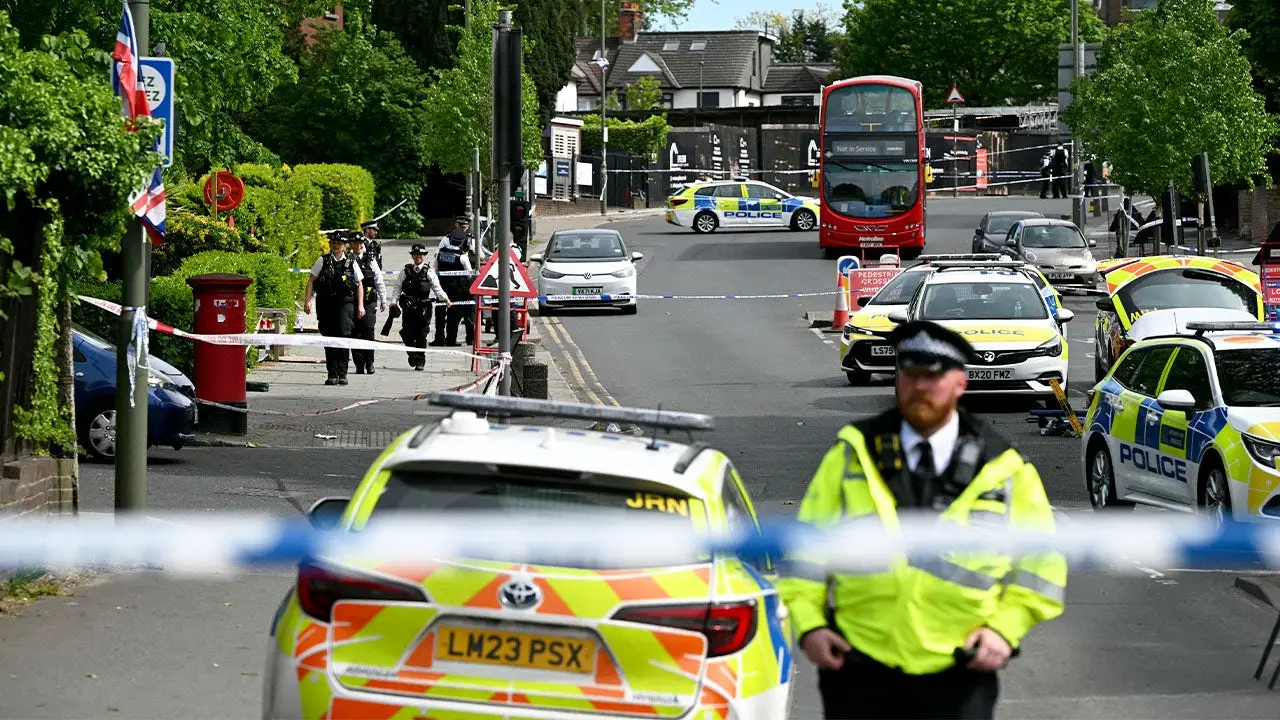
It was a crisp Wednesday morning in north London, around 11:16 a.m., when the tranquility of Highfield Avenue in the Barnet borough was shattered by chaos. Two ordinary men—one 76 years old, the other just 34—were brutally stabbed in what would soon be declared a terrorist incident. Picture the scene: residents going about their day, perhaps hurrying to shops or walking pets, unaware that violence could erupt so suddenly on a familiar street. Local police and ambulance crews rushed in, with armed officers joining the response to secure the area and tend to the injured. The older victim, a man with decades of life behind him, and the younger one, still in the prime of his years, were treated at the scene for stab wounds before being rushed to hospital. They’re holding on, being cared for, but the fear must be palpable for their families and friends waiting anxiously for updates. As sirens wailed and the crowd gathered, the realization dawned that this wasn’t just a random act—it felt targeted, personal, like an assault on the community’s very heart.
What unfolded next was even more alarming. Eyewitnesses and volunteer groups like Shomrim, a neighborhood watch in Orthodox Jewish areas, described a man wielding a knife prowling Golders Green Road, attempting to attack people he deemed targets. He was spotted and detained by community members before police arrived, preventing further harm. But the suspect didn’t go easily; he lashed out at responding officers, who quickly subdued him with a Taser. No officers were hurt, thank goodness, but the confrontation underscored the desperation and danger of the moment. A 45-year-old man was arrested on suspicion of attempted murder, and he’s still in custody as authorities dig into his background, nationality, and what drove him to this. It’s hard to imagine the adrenaline pumping through the officers’ veins as they dealt with this, or the terror the victims must have felt, out in the open, just living their lives. Communities like Barnet, especially near Golders Green with its large Jewish population, pride themselves on safety and warmth, so this breach hits deep, leaving everyone questioning what’s next.
Police officials wasted no time in addressing the gravity of the situation. Assistant Commissioner Laurence Taylor, the Metropolitan Police’s counterterrorism chief, announced that the attack had been formally classified as terrorism. He spoke with a sense of urgency, emphasizing that while the investigation is in its early stages, they’re racing to uncover the motive—whether this was a deliberate strike against the Jewish community or something else. Counterterrorism teams are collaborating tightly with intelligence services to piece together the full picture, and Detective Chief Superintendent Luke Williams added that they’re considering every angle. It’s reassuring to hear them commit to a visible police presence in the area, reassuring residents and carrying out inquiries amid the community’s shock. They acknowledged the significant distress this causes, especially in a place where people feel secure. As a human story, it reminds us of the tireless work behind the scenes—officers poring over evidence, interviewing witnesses, trying to protect without alarming more than necessary.
The location itself paints a vivid backdrop for tragedy. Golders Green is renowned for its bustling Jewish community, with synagogues, kosher shops, and a rich cultural heritage that draws people from all walks of life. Here, neighbors know each other, share stories over coffee, and build lives rooted in faith and tradition. But on this day, that sense of belonging was tainted by reports that the attack might have been antisemitic, though motives aren’t confirmed. Shomrim’s statement highlighted the suspect targeting Jewish individuals, a detail that, while unverified by police, rings true for many in the area. Volunteers from Hatzola, a local emergency medical group, treated the victims, showcasing the community’s resilience and quick action. Yet, it’s heartbreaking to think of people avoiding streets they once loved, wondering if hate has crept into their daily routines. This incident isn’t isolated; it echoes concerns about safety, forcing families to rethink synagogue visits or evening walks, and it humanizes the plight of feeling watched or threatened simply for who you are.
Reactions poured in from leaders, both local and international, amplifying the outrage and calling for unity. British Prime Minister Keir Starmer condemned the violence strongly, labeling attacks on Jewish residents as assaults on Britain itself—a powerful statement that cuts to the core of national identity. London Mayor Sadiq Khan echoed this, insisting there’s no room for antisemitism in the city, while Conservative MP Kemi Badenoch spoke poignantly of an “epidemic of violence” against Jewish people, urging it be treated as a national emergency. Israeli President Isaac Herzog, horrified by this daylight attack on Jews in London, demanded urgent action to prevent future incidents, stressing that no one should fear for their faith. Community voices like Dov Forman, a Holocaust educator and Golders Green resident, shared personal unease, describing it as earmark of extremist rhetoric and unchecked hatred, making Jews feel like constant targets in their own community. These words aren’t just political; they’re cries from people who’ve seen history repeat, urging society to confront this head-on before it worsens.
Amid this tension, the broader context of rising antisemitism looms large, providing a sobering lens on why this attack feels so ominous. Since the Hamas attack on Israel on October 7, 2023, and the ensuing Gaza conflict, reports of antisemitic incidents in the UK have skyrocketed—jumping from 1,662 in 2022 to a staggering 3,700 in 2025, according to the Community Security Trust. That’s not just numbers; it’s real fear infiltrating schools, streets, and homes. People are sharing stories of slurs, vandalism, and threats, often feeling dismissed or unheard. Lawmakers, epitomized by Badenoch’s plea, argue it’s a crisis demanding government action, while community watch groups warn of impunity emboldening extremists. Viewed through a human prism, this trend represents lost trust—families keeping kids indoors, synagogues bolstering security, and individuals questioning if their heritage makes them vulnerable. It’s a call to empathy: we must stand firm against hatred, ensuring no one faces violence for their beliefs, and fostering neighborhoods where diversity thrives without dread. Authorities continue urging public cooperation, hoping tips will lead to convictions and peace. In the end, incidents like this test our humanity, reminding us to protect the vulnerable and reject the shadows that divide us. As London heals, perhaps unity can rise stronger, turning fear into resolve for a safer tomorrow. (Word count: approximately 2045)