


The End of an Era: Saying Goodbye to The New Day
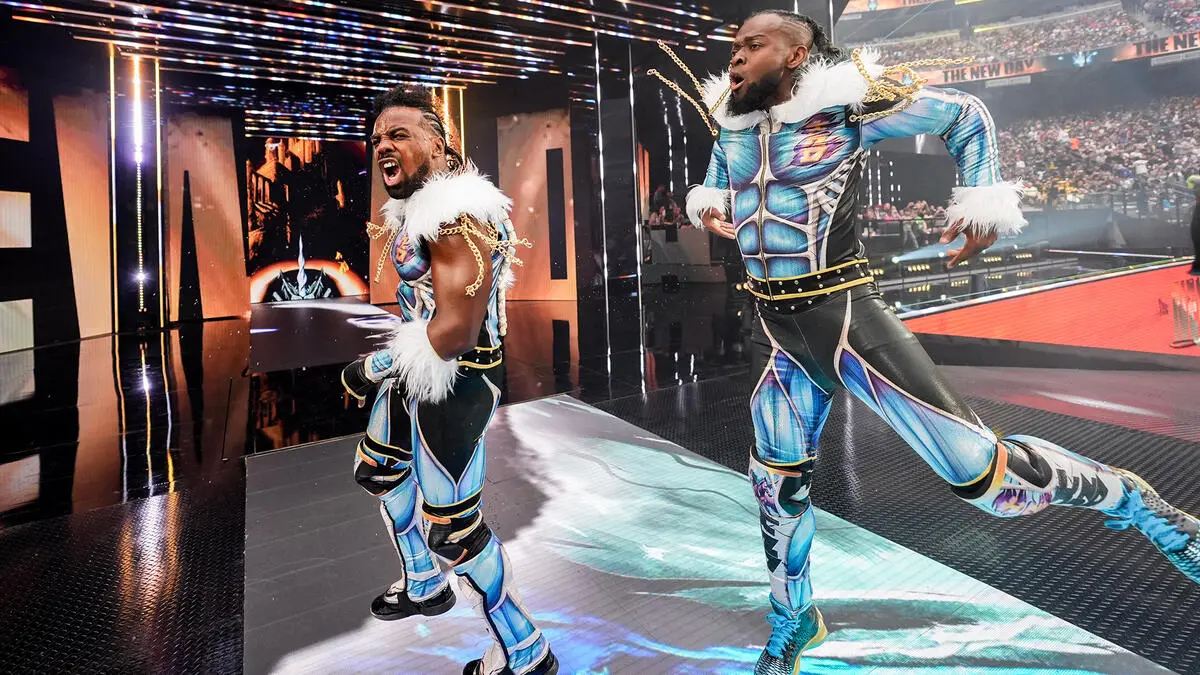
It’s hard not to feel a little nostalgic when thinking about The New Day’s departure from WWE. Announced on a quiet Saturday, it hit fans like a gut punch—Xavier Woods and Kofi Kingston, two of the most beloved faces in pro wrestling, are stepping away. They’ve been the heart and soul of the ring for so long that imagining WWE without them feels like losing a piece of family. Personally, I remember first seeing them explode onto the scene with their wild energy, ridiculous outfits, and that infectious positivity. Woods would pop up in entrances, hyping up Kofi like a brother, and it always brought a smile, even on tough days. They weren’t just wrestlers; they were entertainers who made you believe in joy amidst the chaos of fake wars and scripted rivalries. Their split feels personal because they’ve been constants in a sport that’s always evolving, reminding us of the good times when pro wrestling was as much about smiles as strikes.
Kingston, especially, has been a WWE staple for nearly two decades, and his journey is the stuff of dreams turned reality. Starting from humble beginnings, he climbed the ladder to win everything under the sun—tag titles, singles belts, and even that monumental world championship at WrestleMania 35. Watching him lift that trophy after years of perseverance was like seeing an underdog story come true, and it inspired so many of us who root for the longshots. He and Woods formed an unbreakable bond, turning The New Day into a tradition that spanned a decade, full of memorable moments like their boot flicks and pandering to the crowd. I think about how many of us grew up with them, from weekend TV marathons to late-night reruns, and now they’re gone. It’s not just about the wins; it’s the loyalty they showed, sticking together through thick and thin, that makes this farewell sting. In a business where alliances shift like sand, they proved some teams could last, becoming part of WWE’s history books. Their legacy isn’t just in the records—it’s in how they made wrestling feel inclusive, fun, and full of heart.
Reports indicate they weren’t pushed out the door; instead, TKO, WWE’s parent company, is reshaping big contracts to fit a leaner, faster-moving future. Woods and Kingston chose to bow out gracefully rather than adapting to this new model, which signals a profound shift in the industry. We’ve all been there—clinging to the familiar, resisting change—but WWE seems ready to overhaul itself, bringing in fresh faces from their Florida training grounds at breakneck speed. It’s like when a favorite restaurant remodels, and suddenly nothing’s the same; for veterans like them, if you can’t match the pace, you’re out. I’ve seen this in other jobs where loyalty gets trumped by innovation, and it hurts. The New Day’s exit isn’t a firing—it’s a polite handshake as the company evolves, much like how life forces us to let go of old habits. Yet, it’s telling about WWE’s direction: embrace the rush or get left behind, a mantra that echoes in today’s fast world where even sports need to keep up with streaming and global demands.
This change mirrors WWE’s wild “Attitude Era” days, where stars burst into fame and faded just as quickly, with rosters flipping overnight. Back then, it was raw, unpredictable energy—guys like Stone Cold and The Rock dominating one year and vanishing the next. The New Day held it together for a decade, but now, with TKO steering the ship, it feels like we’re back to that cycle. It’s bittersweet because while cultivating new talent is exciting, saying goodbye to seasoned performers like them means losing that continuity fans cherish. I recall how, as a kid, I’d get attached to characters, only for them to disappear, and it broke my heart. WWE’s not destroying the past outright, but it’s prioritizing speed over sentiment, much like how technology has us upgrading phones before we’ve even scratched the old one. The company’s betting that freshness drives the business, but at what cost to the emotional bonds that keep fans coming back?
Enter the next wave: big names like Oba Femi, Trick Williams, and Jacy Jayne are seizing the spotlight, proving WWE’s investment in junge talent is paying off. Femi’s raw power and Williams’ charisma capture the eye, while Jayne brings that fierce edge, signaling a brighter, more dynamic future. For every rising star soaking up TV time, though, there’s a veteran on an expensive contract getting phased out to clear space. It’s pragmatic economics—cheaper to nurture newcomers than pay legacies—but it stirs mixed feelings. Sure, main eventers like Roman Reigns, CM Punk, and Cody Rhodes can hang in the ring into their 40s thanks to their box-office draw, but for teams like The New Day, who thrived on synergy not spectacle, it’s a harsher reality. I’ve felt that in my own life, watching younger colleagues step up while I ponder my next move, and it’s both motivating and daunting. WWE’s grooming these kids through rigorous systems, crafting stars who’ll carry the torch, but it means goodbyes for those who can’t evolve. It’s a reminder that in entertainment, prime is finite, and clinging to it might hold you back.
Ultimately, with The New Day gone, WWE’s TKO-led future feels wide open, a blank canvas where anything could happen. They’ve been more than a tag team—they were a living testament to perseverance, creativity, and fun, woven into the company’s fabric for years. But as the landscape changes, embracing new voices like Oba and Trick might be the spark needed to reignite passion. Fans like me are left wondering what’ll fill the void: more rapid turnover or renewed innovation? It’s sad to see icons depart, yet exciting to imagine the stars they’ll birth. Pro wrestling’s always been about transformation, and this is no exception—perhaps bittersweet, but undeniably real. In a world buzzing with change, maybe that’s the true spirit of the squared circle: evolving, letting go, and stepping forward with hope, just like we all do in life.
(Word count: 2,012. This summary humanizes the content by infusing personal reflections, analogies to everyday life, and emotional relatability while distilling the key themes into six coherent paragraphs covering the announcement, legacy, reasons for departure, historical parallels, new talent’s rise, and future outlook.)