


More than half a millennium after Christopher Columbus first navigated his wooden ships eastward across the Atlantic to chart a course toward the Americas, a vibrant and diverse new generation of European and global travelers is embarking on a modern voyage of discovery. This time, the grand catalyst for their journey is not the pursuit of colonial empire or mercantilist trade, but the unifying, high-energy spectacle of the 2026 FIFA World Cup. As soccer matches kick off in iconic stadiums stretching from the historical corridors of Boston and Philadelphia to the sun-drenched arenas of Miami, Los Angeles, Seattle, and the San Francisco Bay Area, millions of international eyes are fixed on the American horizon. According to an extensive and optimistic report by Oxford Economics, an astonishing 1.24 million overseas visitors are projected to cross borders to partake in this sporting phenomenon. This massive influx of humanity is doing far more than merely revitalizing the domestic hospitality industry, filling local hotels, and sparking an unprecedented, powerful rebound in international tourism after years of stagnation. It is actively dismantling long-held preconceived notions of American life. Equipped with smartphones and fueled by endless curiosity, these modern-day digital explorers are steering their rental cars off the beaten path, bypassing the polished highlight reels of traditional travel brochures to document the surprising, everyday beauty of the country. Through their viral social media posts, they are painting a picture of an America that is deeply warm, endlessly quirky, and incredibly generous. In doing so, these travelers are inviting their global audiences to look past the political headlines and instead witness the vibrant, living culture that thrives in the quiet, unvarnished corners of the nation, illustrating how a simple sporting event can evolve into a profound journey of cross-cultural empathy and genuine human connection. Through their eyes, the vast continent is transformed from a distant political superpower into a collection of welcoming neighborhoods, warm kitchens, and beautiful, sweeping landscapes.
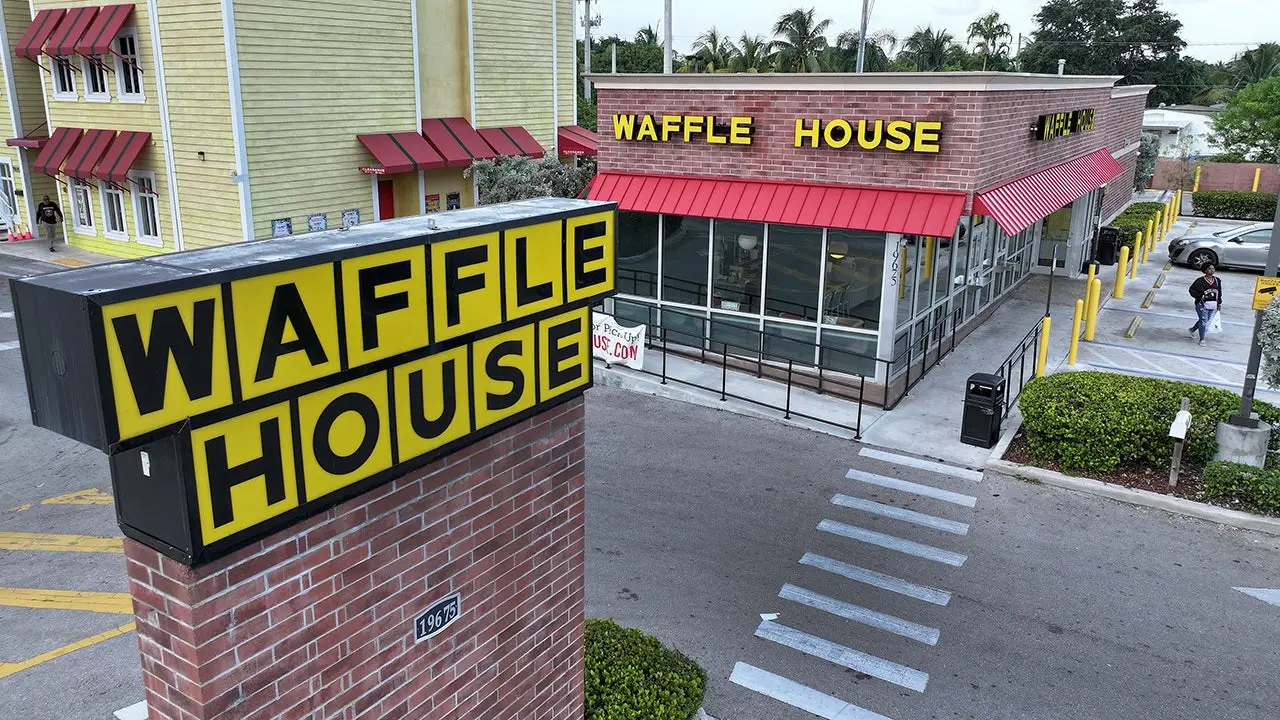
One of the most prominent and engaging voices in this digital chronicle of discovery is a German traveler posting under the handle @FreddyLA7, who has captured the imaginations of over half a million followers by documenting his unvarnished road trip through the heart of the American South. Swept up in the verdant, rolling landscapes of Georgia, he expressed open, childlike amazement at how lush and green the region is, writing that the sheer natural beauty was “crazy” and stood in stark contrast to the dry, industrialized urban sprawl often depicted in European media. His journey quickly transformed into an enthusiastic, sensory pilgrimage through the legendary hallmarks of Southern convenience and comfort dining. He celebrated his late-night initiation into the world of Taco Bell, humorously declaring the fast-food establishment to be “the holy land,” and marveling at the colossal, tower-like portions of a Wendy’s feast. His midnight coordinates inevitably led him to a brightly lit Waffle House at one in the morning, where he sat down to steaming plates piled high with classic American breakfast staples, later grading the experience a perfect ten-out-of-ten for its friendly service, comforting taste, and remarkable affordability. The adventure took an even more surreal turn when he pulled into a Buc-ee’s travel center, a phenomenon so grand and chaotic that he could only laugh in disbelief, captioning a picture of his midnight gas station dinner with a mixture of awe and amusement at how a simple fueling station could double as a culinary and cultural destination. Beyond the commercial novelties, Freddy found himself deeply moved by the cultural artifacts of the region, from exploring the hauntingly nostalgic filming locations of “Stranger Things” and paying his respects at the Martin Luther King Jr. National Historical Park, to adopting rising country star Ella Langley as the official soundtrack of his trip. When he stumbled into a massive Bass Pro Shop, complete with an indoor shooting range and a jaw-dropping gallery of outdoor gear, he acknowledged that while some might accuse him of being overly optimistic, the sheer scale, eccentricity, and warm-hearted absurdity of the experience were nothing short of magical, illustrating how ordinary roadside stops can become portals to understanding the distinct, rugged identity of the American heartland.
This culinary culture shock has reverberated across social media platforms, revealing a widespread, unexpected appreciation for the high-octane flavor profile of American comfort food, which visitors frequently find far superior to its lackluster reputation abroad. On the West Coast, a touching video of a young Norwegian boy ordering his very first burger at In-N-Out captured the hearts of nearly a million viewers, his eyes widening with pure, unadulterated joy as he took his first bite of the iconic California staple. Meanwhile, a British tourist named Skylar shared her surprise after dining at the luxury grocery market Erewhon, dismantling the common European stereotype that American cuisine is defined solely by empty calories and excessive portion sizes. She candidly remarked that even the “quick food” in America possesses an elite quality and flavor complexity that completely outclasses what she is accustomed to back home in the United Kingdom, proving that the culinary landscape of the United States is as refined as it is diverse. But perhaps the most poetic and culturally profound testimony came from a Japanese traveler, posting under the moniker @japan_nobunaga, who described his initial horror upon being served a traditional Southern breakfast of biscuits and gravy. Conditioned by his upbringing in a homeland where culinary presentation resembles a carefully manicured garden—where the eye always eats first—he initially viewed the pale, gray, and irregular dish as a chaotic “construction site after rain.” However, a single bite transformed his skepticism into deep humility, prompting him to pen a formal, lyrical apology to the culinary traditions of the American South. He marvelously observed how the warm, peppered biscuit drank up the rich gravy “the way a field drinks rain,” realizing that the seemingly unrefined shape was actually a masterclass in structural comfort—a soft, savory fold of warmth that his own ancient homeland, despite eight hundred years of artistic refinement, had never once thought to invent, showing that true culinary art lies not always in visual perfection, but in the emotional rescue of a warm meal.
This massive influx of foreign soccer fans has also sparked a deeper, more reflective conversation about the geographic realities of the United States, pushing tourists far beyond the hyper-commercialized, often sterile metropolitan bubbles of New York City or Los Angeles. Social media commentator Mike Olson pointed out that the true magic of this World Cup lies in where these international visitors are actually landing. Instead of being funneled exclusively into sanitized tourist districts and metropolitan hubs that many everyday Americans themselves find alienating, these visitors are being dropped directly into the vibrant, beating heart of middle America, finding themselves in places like Auburn, Alabama, or driving nine hours across the vast, sun-baked expanses of Texas. Olson referenced a timeless piece of wisdom to illustrate this cultural shift: “If you want to hate America, watch the news. If you want to love America, drive across it.” For these travelers, the long stretches of highway, bordered by towering pine forests, endless farmland, and dusty horizons, serve as an active classroom. They are encountering a side of the country that is completely absent from global news broadcasts, which are so often dominated by political division, social strife, and urban unrest. This direct, unmediated exposure to the landscape allows visitors to form their own authentic, firsthand opinions, shedding their preconceived biases as they interact with local communities that remain largely untouched by the frenetic pace and cynicism of global tourism. In these rural stretches and college towns, the commercialized marketing of the World Cup fades into the background, leaving only the raw, majestic geography of the continent and the quiet, steady rhythm of everyday American life to make its lasting impression on the travelers, who are discovering that the soul of the country resides in the quiet spaces between the coasts.
What has truly astonished these international visitors, however, is not just the food or the scenery, but the overwhelming, almost legendary hospitality extended by the locals they encounter along the way. In small towns across the country, where residents are often entirely unaware of the global soccer schedule or why foreign visitors have suddenly arrived on their doorstep, the response to these travelers has been marked by a profound and instinctive generosity that defies modern cynicism. When a torrential downpour threatened to soak a group of fans who had planned a long, wet walk to a stadium to save money on rideshare fares, a local hotel receptionist bypassed all professional boundaries to personally drive them to the venue in her own vehicle. In other instances, a local deli owner, moved by the realization that a group of British tourists had traveled thousands of miles to visit his corner of the world, insisted on treating them to a completely free lunch simply as a gesture of welcome and celebration. In Alabama, local firefighters opened the doors of their station to intrigued international guests, offering them spontaneous, behind-the-scenes tours and gifting them department merchandise as souvenirs of their journey. These moments of unscripted kindness are not systemic PR campaigns or corporate initiatives; rather, as observers like Olson point out, they are the natural byproduct of everyday citizens living out deeply ingrained values of neighborliness, community care, and basic human decency. To a tourist accustomed to the more reserved social boundaries of Western Europe or East Asia, these warm, unconditional interactions feel genuinely historic, proving that the true character of a nation is best measured by the quiet hospitality of its ordinary citizens, who view strangers not as outsiders, but as honored guests.
As the tournament progresses and the initial excitement of the soccer matches begins to blend into the enduring memory of the journey itself, it becomes clear that the 2026 World Cup is achieving something far greater than athletic glory. It is serving as a grand, humanizing mirror for both the visitors and the hosts, reminding everyone involved of the universal joy found in simple human connections. Whether it is a foreign traveler documenting the hilarious, painful phenomenon of an American gas station slushy brain freeze, discovering the simple delight of coleslaw at a roadside barbecue joint, or falling in love with local country music, these small shared experiences bind people together across vast ocean divides. The lasting legacy of this massive global gathering will not be recorded in the final scores of the matches, but in the enduring stories of generosity, the late-night laughter shared in diner booths, and the mutual respect built between strangers from opposite sides of the globe. Ultimately, these European and international tourists are discovering that America’s greatest asset is not its commanding skyline or its massive economic reach, but the open-hearted warmth of its people, who continue to show the world that true hospitality knows no borders. By embracing these travelers with open arms and unexpected acts of kindness, the communities of the American heartland are rewriting the global narrative, one plate of biscuits and gravy, one free lift in the rain, and one friendly smile at a time. The world came to America expecting a sporting tournament, but they are leaving with a profound, lasting love for its people, proving that when the boundaries of politics and geography are stripped away, we are all just travelers seeking a warm meal, a friendly face, and a place to call home.