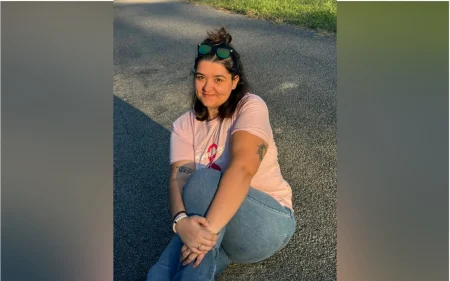






In the quiet, scenic town of Ennis, Montana, twenty-three-year-old Sarah Bell looked forward to what she assumed would be a completely ordinary and joyful afternoon. As a babysitter, she was charged with watching over five energetic brothers whose ages ranged from a tiny one-year-old toddler to an adventurous eleven-year-old. The house was alive with the standard, chaotic energy of young boys, and when they collectively begged to bring out their Nerf guns, Sarah did not hesitate to agree. Having grown up playing with those very same foam-firing toys during her own childhood, she associated them with harmless safety, nostalgic backyard battles, and wholesome fun. There was absolutely no reason to foresee that a lazy afternoon spent running around the living room would quickly dissolve into a terrifying medical crisis that would threaten her vision and change her perspective on children’s toys forever. As the game reached its peak, the boys laughed and darted around corners, completely absorbed in their imaginary tactical world, with Sarah smiling along as she kept a protective eye on the group.
The transition from innocent playtime to sudden, agonizing chaos happened in a fraction of a second, just as the group was winding down to wash up for lunch. Without warning, the second-eldest brother darted out from around a corner, raised his toy blaster, and fired a shot that struck Sarah directly in her open right eye at point-blank range. The physical impact was immediate and shockingly violent, sending a fiery jolt of pain through her face that caused her to instantly collapse her head into her hands. As tears involuntarily flooded her swelling eye, a heavy, stunned silence fell over the room; the plastic blasters clattered to the floor as the boys realized their play had crossed a terrible line. The young boy who had pulled the trigger was instantly consumed by guilt and burst into tears, while his brothers scrambled to fetch tissues, desperately trying to help their beloved babysitter. When the children’s parents walked through the door just ten minutes later, they were met with an incredibly tense scene, immediately apologizing for the accident while Sarah, trying to remain brave for the emotional kids, quietly assured them she would be fine despite the worsening blurriness.
The true gravity of the injury only began to manifest once Sarah left the house and attempted to navigate the journey back to her own home. Stepping out into the bright Montana midday sun acted as an aggressive catalyst, transforming her slightly blurred vision into a thick, disorienting, cloud-like fog. Panic set in quickly as she realized she could no longer see out of her right eye, prompting her to make a tense phone call to her mother all the way in Oklahoma for emotional comfort. Alone behind the wheel, Sarah was forced to endure an agonizing thirty-to-thirty-five-minute drive home, driving with extreme caution and moving as slowly as possible along the highway while her eye throbbed in rhythm with her heartbeat. She desperately tried to call her boyfriend to seek immediate help, but he was fast asleep after a grueling work shift, leaving her isolated with her racing thoughts and growing fear. By the time her car finally pulled into her driveway, the pain had escalated to an unbearable level, and a visible pool of blood had begun to collect in the bottom of her iris, casting a dark shadow over her ability to see.
After her frantic boyfriend woke up and saw the damage, he immediately rushed her to the local emergency room, but their arrival brought more frustration than relief. The small, rural hospital lacked the specialized ophthalmology equipment required to properly diagnose such a delicate ocular trauma, leaving the couple in a state of anxious limbo for several days until she could secure an appointment with a specialist. When Sarah finally sat in the ophthalmologist’s chair, the true, alarming extent of the kinetic damage was laid bare. Doctors explained that the high-velocity impact of the foam dart had caused severe internal bruising beneath her eyelid, which made every blink and eye movement deeply painful, and had actually torn a physical hole between her iris and cornea. This structural tear severely disrupted her eye’s natural ability to dilate and restrict light, causing her vision to plumet to a frightening 20/70, a state where she could only read letters from twenty feet away that a person with healthy eyes could easily read from seventy.
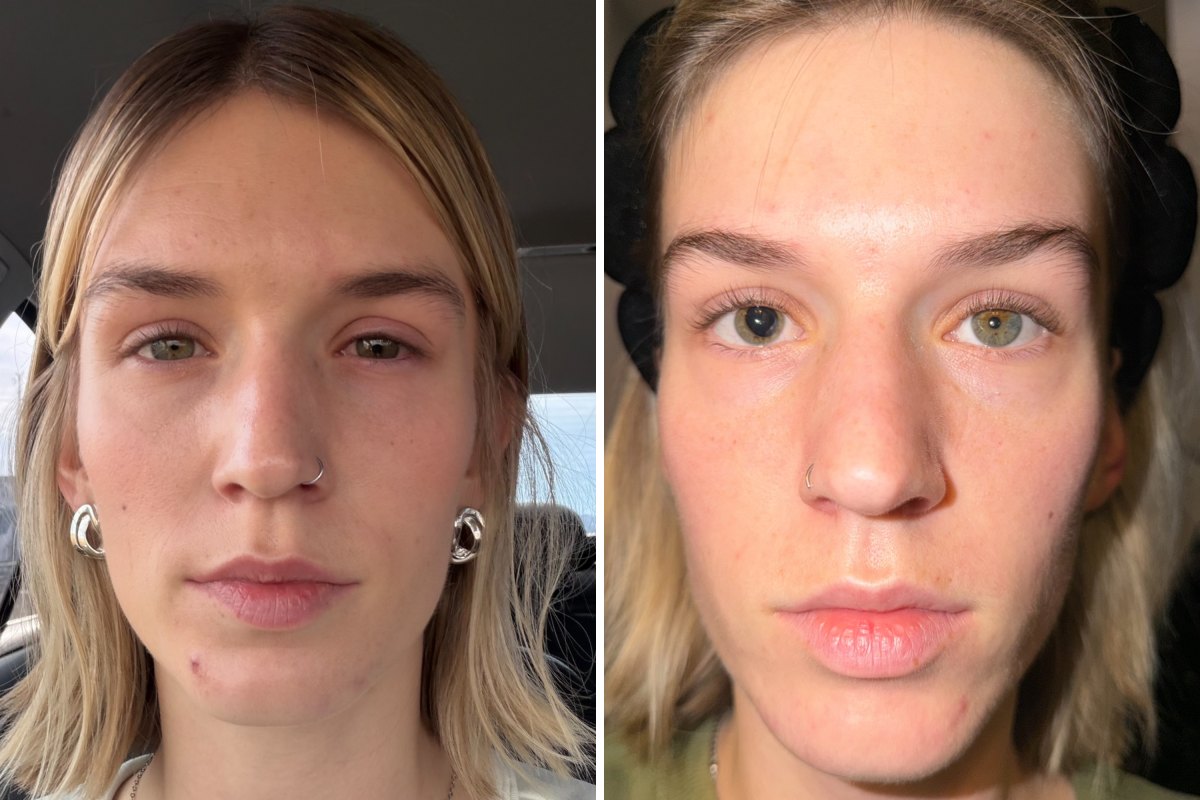
The recovery process proved to be a grueling test of patience, requiring Sarah to adhere to a strict regimen of prescription steroid eye drops and specialized medications designed to reduce localized swelling and restore basic pupillary function. For a full week, she lived in a quiet, dark environment, waiting in frustration for the thick, milky cloudiness of her vision to dissipate and wondering if she would ever regain her normal sight. While her eye did eventually heal enough to restore her sight to 20/20, the physical architecture of her face has been permanently altered by the accident. To this day, Sarah lives with a highly visible condition known as anisocoria, leaving her right pupil permanently dilated 0.6mm larger than her left, which causes her to experience ongoing sensitivity to both bright natural sunlight and harsh fluorescent indoor lighting. The asymmetrical look of her eyes serves as a constant, daily reminder of how close she came to permanently losing one of her most valuable senses over a simple afternoon game.
Determined to find a sense of purpose within her painful ordeal, Sarah took to her TikTok platform (@hanginwithsb) to share her raw, unfiltered story with the public, turning her personal trauma into an educational crusade. Her videos, detailing the progression of her injury from the initial ER visit to her permanently mismatched pupils, have sparked vital conversations about the hidden dangers of toys marketed exclusively to children. Sarah’s message is simple, direct, and unyielding: anyone using toy projectile blasters must wear proper, protective eyewear, regardless of how harmless the manufacturer’s packaging makes them seem. She strongly urges parents, older siblings, and babysitters to normalize safety precautions by wearing inexpensive plastic goggles, safety glasses, or even standard sunglasses during play. By speaking out so candidly about her experience, Sarah hopes to protect others from the sudden, avoidable pain she endured, emphasizing that the minor inconvenience of putting on eye protection is a tiny price to pay to keep a loved one’s vision completely safe.