



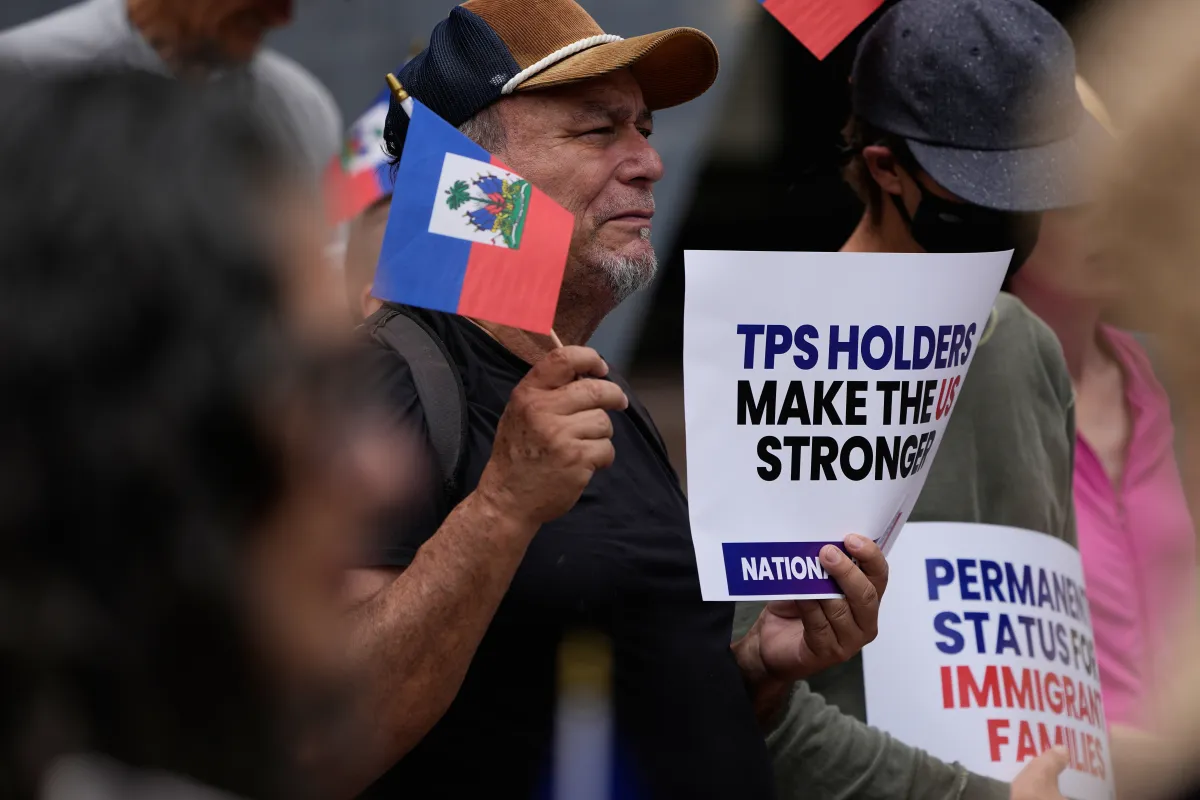
American businesses are bracing for a catastrophic workforce disruption after the Trump administration signaled that hundreds of thousands of immigrants will lose their legal right to work within weeks. The Department of Homeland Security (DHS) managed to avert an immediate, devastating employment cliff by issuing a last-minute extension on work permits just hours before they expired. However, this temporary reprieve does little to calm the rising panic among employers, who are already laying off staff whose positions are in jeopardy. Under the newly issued federal guidelines, Haitian workers under the Temporary Protected Status (TPS) program will see their employment authorization expire on July 24, while workers from Ethiopia, Myanmar, Somalia, South Sudan, Syria, and Yemen will lose theirs even sooner, on July 17. Because the government’s announcements have been incredibly delayed and unpredictable, many businesses had already begun terminating workers in anticipation of the original deadlines, leaving corporate leaders deeply frustrated by the lack of clear, forward-looking guidance from federal agencies.
This scramble follows a pivotal Supreme Court decision that allowed the administration to proceed with winding down TPS protections while ongoing legal challenges make their way through the lower courts. While the nation’s highest court did not rule on the actual legality of ending the program, the justices granted an emergency request to lift a lower-court injunction that had previously blocked the administration’s plans. Government officials continue to argue that TPS was always meant to be temporary and that the situations in these foreign nations no longer warrant special U.S. protections. On the other side, a coalition of immigrant advocates, state governments, and affected families are fighting back in court, arguing that the administration violated federal administrative laws and is callously ignoring active, life-threatening humanitarian crises in the affected countries.
Created by Congress in 1990, the TPS program has long served as a crucial humanitarian safety net, offering safe harbor to foreign nationals already inside the United States when their home countries are ravaged by armed conflict, devastating natural disasters, or other extraordinary, unsafe conditions. Although the program does not provide a direct pathway to permanent residency or American citizenship, it does provide robust protection from deportation and grants official work permits. Over the decades, more than one million people have built lives under TPS and related programs. Many of these individuals have lived in the United States for decades, raising American-born children, buying homes, paying taxes, and filling vital, difficult-to-recruit roles in sectors that struggle with chronic, long-term labor shortages, such as agriculture, manufacturing, and healthcare.
The impending loss of these experienced workers has triggered alarm bells across the American economy, with business coalitions, labor unions, and advocacy groups warning of severe, cascading financial consequences. Trade organizations stress that suddenly removing hundreds of thousands of dedicated employees will cripple supply chains and drive up costs for everyday consumers, especially in food production and commercial services. Milton Jones, president of the United Food and Commercial Workers International Union, emphasized that the fallout will extend far beyond those immediately losing their status, warning that the sudden loss of labor will strain food processing facilities, meatpacking plants, and grocery stores nationwide, ultimately impacting every community and household in America.
Service industries are particularly vulnerable to this sudden policy shift and are pleading for a more manageable transition. The National Restaurant Association has officially appealed to Homeland Security Secretary Markwayne Mullin, requesting a 90- to 120-day grace period to allow businesses to audit their employment compliance, adjust their staffing models, and legally transition their workforces without facing catastrophic operational pauses or federal penalties. For the workers themselves, the stakes are not merely financial, but existential. Farah Larrieux, a Haitian business owner in Florida, voiced the terrifying reality shared by many, explaining that returning to Haiti under its current state of violent lawlessness is essentially a “death sentence.” Simultaneously, the National TPS Alliance criticized the courts for plunging hundreds of thousands of law-abiding families into sudden, terrifying legal limbo overnight.
Looking ahead, a dark cloud of uncertainty hangs over both the American business community and the immigrant families who have contributed to it for years. While the underlying lawsuits challenging the administration’s policy will wind their way through the federal court system, employers are left holding the bag, forced to navigate incredibly complex and rapidly shifting employment verification rules. The brief July extensions have only delayed, rather than prevented, a massive economic shock. Unless Congress intervenes with legislative relief, or a federal court issues an unexpected late-stage injunction, American employers across the nation will soon have no choice but to terminate thousands of essential, legally employed workers, fundamentally altering communities and businesses across the country.