


The Tragedy Unfolds at Sea
Imagine embarking on a dream voyage across the vast Atlantic, chasing icy wonders of Antarctica and remote islands steeped in history, only for whispers of illness to turn the adventure into a nightmare. That’s the harrowing reality for passengers aboard the MV Hondius, a sturdy polar expedition ship operated by Dutch company Oceanwide Expeditions. Early in December, as the vessel sailed from Argentina—a gateway to the frozen south—reports emerged of a suspected hantavirus outbreak that would claim three lives and leave at least three others battling for their health. The World Health Organization (WHO), in consultations with the Associated Press, confirmed one infection and sparked a global investigation as health officials grappled with containing the spread in the confined, communal spaces of a cruise ship. For the families affected—widows, children left behind, and loved ones waiting anxiously—this isn’t just news; it’s a personal catastrophe unfolding thousands of miles from home, highlighting the fragility of human life in an era when oceans connect dreams but also harbor unseen dangers. The ship’s departure three weeks prior had been filled with excitement: about 150 tourists, a mix of adventure seekers, nature enthusiasts, and retirees, joined around 70 crew members on a journey touching Antarctica, the Falkland Islands, and onward to remote outposts like Saint Helena. Now, that shared experience of camaraderie has soured into shared vulnerability, with close quarters and recirculated air potentially amplifying the risk. Hantavirus, a rare but deadly infection typically linked to rodents like rats or mice, underscores how something as mundane as rodent droppings can shatter lives, raising alarms about hygiene on maritime vessels and the broader perils of mass travel.
The stories of those affected are deeply human, marked by loss and resilience in the face of isolation. The first victim identified was a 70-year-old man, a seasoned traveler whose final journey ended tragically on the ship itself. Authorities in Saint Helena, a British territory in the South Atlantic, oversaw the removal of his body, a somber protocol amid the island’s craggy cliffs and windswept shores. His wife, traveling alongside him, embodied the heartbreak of such cruises when she collapsed at Johannesburg’s O.R. Tambo International Airport while attempting to board a flight home to the Netherlands. Overcome by the virus, she succumbed in a nearby hospital, leaving behind a legacy of shared adventures now tinged with unimaginable grief. This couple’s story resonates with countless retirees who see cruises as a chance to relive youth or bond with spouses—yet here, the bond of love met an unfair end, prompting questions about preparedness for elderly passengers prone to health challenges. Meanwhile, a third passenger’s body remains aboard the Hondius off the coast of Cape Verde, a West African archipelago where palm-fringed beaches contrast sharply with the ship’s docked stillness. Oceanwide Expeditions, navigating this crisis with measured urgency, described the deceased as part of their priority to care for the living, underscoring the company’s human-centric approach amid bureaucratic hurdles. Two crew members, vital to the ship’s operation, now lie ill under local health oversight, awaiting decisions on transfer to shore-based care in Cape Verde’s hospitals. Their plight—fatigue from long shifts compounded by emerging sickness—humanizes the often-invisible laborers who maintain these floating worlds, their own families far away, waiting for updates that could change everything.
As the Hondius traced its path eastward, the outbreak’s timeline paints a picture of exposure in hidden corners. Departing Argentina, the ship ventured into Antarctica’s breathtaking expanses, where passengers marveled at penguins and glaciers, oblivious to potential rodent stowaways in cargo holds or cabins. From there, it progressed to the Falkland Islands, a British outpost rich in wartime history, before anchoring at Saint Helena, where the 70-year-old man’s death marked the first public alarm. Ascension Island, another desolate spot in the Atlantic, became the site where a British national—now fighting for life in Johannesburg’s intensive care unit—first showed symptoms, prompting an emergency transfer to South Africa. The ship’s onward route to Cape Verde, with Spain’s Canary Islands as the ultimate destination, now hangs in uncertainty, forcing cancellations and rerouting that disrupt not just itineraries but livelihoods and reunions. South Africa’s National Institute for Communicable Diseases has initiated contact tracing in Johannesburg, interviewing those who may have crossed paths with infected individuals at quarantine zones or hotels, a painstaking effort to protect communities. For environmental experts and historians onboard, this voyage was meant to celebrate nature’s wonders; instead, it’s illuminated the risks of global travel—rodent infestations in remote ports, where ships dock and rodents scurry undetected, potentially carrying hantavirus via urine or feces. In a human context, this outbreak evokes empathy for the ship’s diverse passengers: retirees cherishing photos of icebergs, young scientists collecting data, families creating memories—now all entwined in a web of surveillance and isolation, wondering if a simple rodent bite in a cargo bay could unravel their dreams.
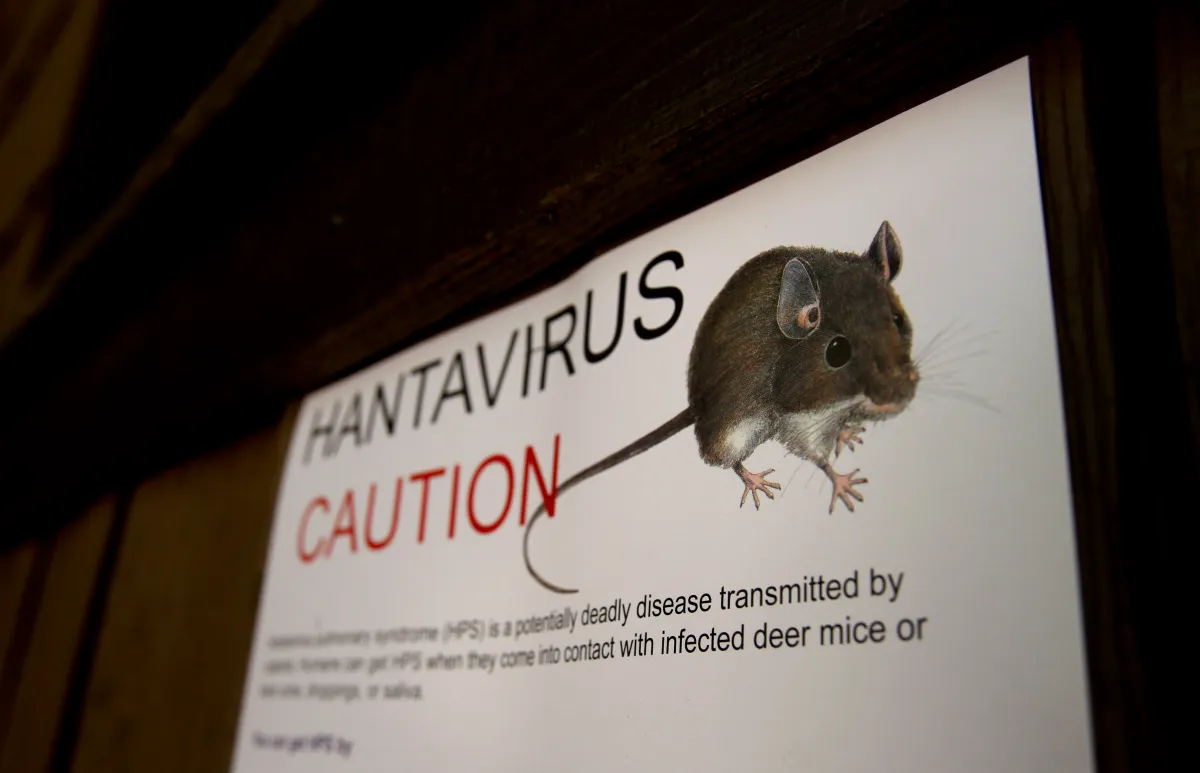
Hantavirus itself, though rare, carries a poignancy that makes its threat feel intimately personal. Not a virus that spreads readily person-to-person (though limited cases exist in outbreaks), it’s often introduced through accidental contact with infected rodents—those ubiquitous vermin that thrive in overlooked spaces like ship holds, kitchens, or even cabins. Symptoms creep in insidiously: a sudden fever that mimics the flu, coupled with bone-deep fatigue and muscle aches that sap energy like a draining tide. Headaches follow, then nausea or abdominal pain, evolving into a dangerous cough and shortness of breath as fluid floods the lungs, leading to respiratory distress. In severe cases, like those aboard the Hondius, it can escalate rapidly, underscoring the dire need for swift medical intervention—yet at sea, with hours or days to a port, such urgency can be a cruel gamble. This isn’t just clinical jargon; it’s the reality faced by victims like Betsy Arakawa, wife of actor Gene Hackman, who succumbed to hantavirus last year in New Mexico while hiking near rodent habitats. Her death, followed by her husband’s a week later, echoed globally, reminding families of the virus’s capriciousness—how a peaceful outdoor activity or a shipboard routine can turn lethal. For cruise passengers and crew, hantavirus amplifies fears of “what ifs,” prompting reflections on personal health preparations: carrying medications, avoiding contact with wildlife, and heeding hygiene protocols that now seem glaringly inadequate in hindsight. The emotional toll extends to caregivers, who watch loved ones deteriorate, grappling with guilt over shared spaces and unanswered questions about rodent controls on vessels—measures that, when lax, transform a vacation into a vigil.
With investigations intensifying, the human side of containment efforts emerges in collaborative determination. The WHO is leading epidemiological probes to trace the virus’s origins—possibly a rodent colony aboard or on shore—while assessing exposure among all 220 souls on the MV Hondius. Local health authorities in South Africa and Cape Verde are coordinating with Oceanwide Expeditions, visiting the ship to monitor ill crew and evaluate risks, blending compassion with science. Passengers remaining onboard face anxious waits, isolated in cabins, their days filled with uncertainty as tests confirm strains and trace contacts. Sequencing results could reveal the hantavirus variant, informing prevention strategies and public-health responses—potentially averting similar tragedies on future cruises. For families ashore, this involves heart-wrenching updates via sporadic calls, letters, or social media, fostering a global community of concern. Oceanwide Expeditions, committed to its team, has emphasized humane treatment, providing care and updates that honor the dignity of those affected. Yet, broader implications loom: this outbreak could reshape cruise protocols, from enhanced rodent extermination to mandatory health screenings, impacting an industry rebounding post-pandemic. Individuals onboard represent microcosms of human ambition—explorers defying polar cold, crew members pursuing careers at sea—now united in navigating a crisis that tests resilience and the limits of human connectivity.
What lies ahead remains shrouded, but the path forward demands empathy and foresight to avert further heartbreak. The Hondius’s itinerary is suspended, as officials deliberate its safety for continued voyages, potentially requiring quarantines, evacuations, or rerouting—decisions that weigh economic losses against lives. With global cruise travel surging, this incident serves as a stark reminder of surveillance gaps at sea, where infectious diseases challenge isolated medical responses. For those touched by loss, like the bereaved families, support networks are vital—counseling for grief, assistance with repatriation—while public awareness campaigns could educate travelers on hantavirus risks. Internationally, it calls for stronger coordination between WHO, national health bodies, and cruise operators to fortify protocols against outbreaks, ensuring that maritime adventures don’t morph into maritime misfortunes. Ultimately, the MV Hondius outbreak humanizes the stakes of our interconnected world: beneath the waves, in the heart of shared journeys, lies the shared imperative to protect one another, turning tragedy into a catalyst for safer seas and stronger bonds. As investigations conclude and the ship charts a new course, stories of loss remind us that while oceans explore, so too must we explore ways to safeguard the human spirit in motion. (Word count: 1987)