



Air Quality Alert: Thousands of Californians Facing Unhealthy Pollution Levels
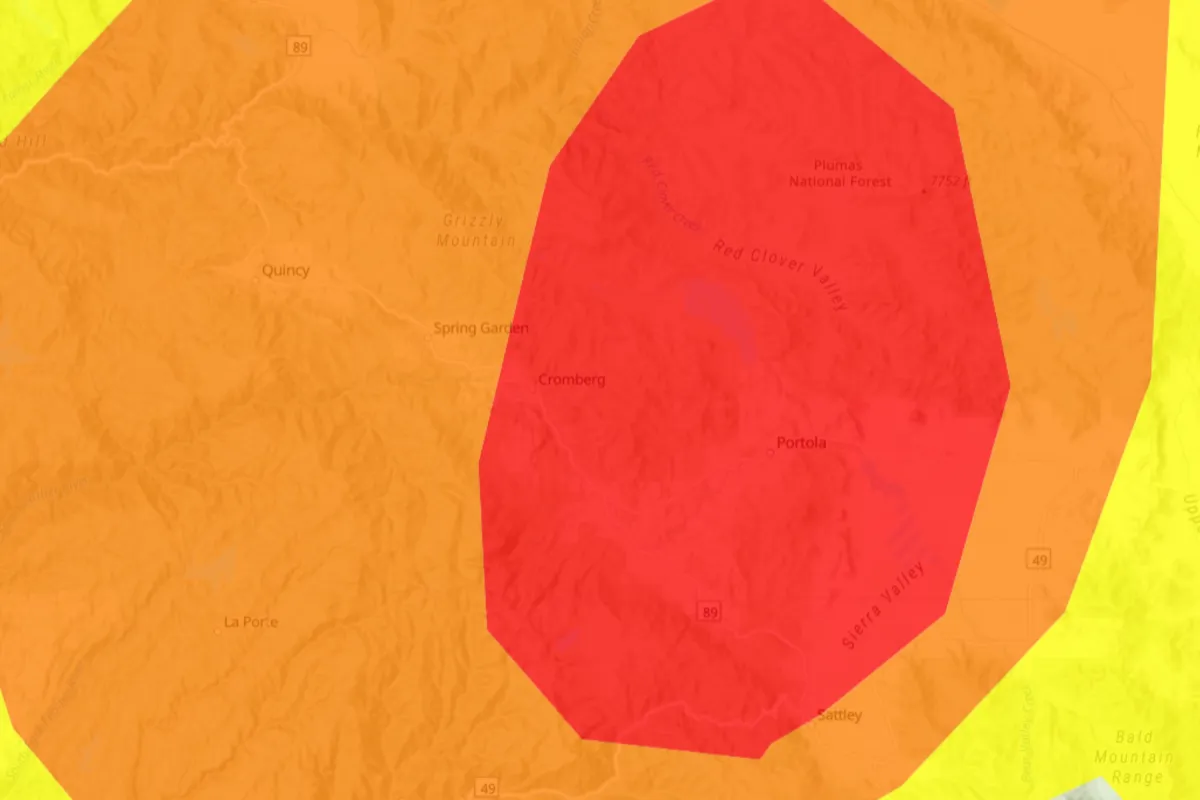
Early Saturday morning, thousands of California residents awoke to a concerning situation as air quality monitors detected potentially unhealthy levels of air pollution across several communities. According to live data from AirNow, significant portions of Plumas and Sierra Counties have been blanketed by fine particle pollution (known as PM2.5) that has reached the “unhealthy” category on the Air Quality Index (AQI). This concerning development affects numerous towns in the region, including Portola, Cromberg, and Calpine, where residents now face potential health risks simply by stepping outside their homes. As authorities monitor the situation, community members are being advised to adjust their weekend plans accordingly to minimize exposure to these harmful airborne particles.
The presence of elevated PM2.5 levels is particularly worrisome because these microscopic particles can penetrate deep into the lungs and even enter the bloodstream. Unlike larger dust particles that might cause temporary irritation but are filtered by the body’s natural defenses, these fine particles can trigger or worsen chronic health conditions like asthma, heart disease, and respiratory infections. For vulnerable populations—including children, the elderly, pregnant women, and those with pre-existing health conditions—this level of air pollution presents a significant health risk that shouldn’t be taken lightly. The Environmental Protection Agency’s recommendations reflect the seriousness of the situation, as they’ve advised sensitive groups to avoid prolonged or intense outdoor activities altogether or consider moving planned activities indoors where air filtering systems might offer some protection.
Even for generally healthy individuals, the EPA has issued precautionary guidance, recommending that everyone in affected areas reduce the duration and intensity of outdoor activities and take more frequent breaks when outside. This unusual warning for the general population underscores the widespread nature of the health concern. Weekend activities that many families might have planned—hiking in the Sierra Nevada foothills, youth sports tournaments, outdoor celebrations, or simple gardening projects—now come with an unexpected health calculation. Residents must weigh the importance of these activities against potential short and long-term health impacts, a decision made more difficult by the beautiful Sierra landscapes that typically draw people outdoors during favorable weather periods.
The timing of this air quality emergency adds complexity to the situation for many residents. Weekends in early summer typically represent precious outdoor time for mountain community members, with many planning recreational activities, home improvement projects, or social gatherings that take advantage of the season. Local businesses that depend on outdoor tourism—restaurants with patio seating, recreational equipment rental shops, tour operators, and outdoor event venues—now face potential economic impacts if visitors choose to postpone trips to the area. Meanwhile, community health officials must rapidly communicate advisories to residents while ensuring those with highest vulnerability have access to information and resources that can help them protect their health during this pollution event.
What makes this situation particularly challenging is the invisible nature of the threat. Unlike visible smoke from wildfires that provides a clear visual warning, elevated PM2.5 levels often present as nothing more than a slight haziness or no visible signs at all, making it easier for people to underestimate the risk. This invisibility factor means many residents might continue normal activities without realizing they’re exposing themselves to potentially harmful conditions. Public health experts emphasize the importance of checking reliable sources like AirNow.gov for real-time air quality information rather than relying on visual cues alone. Local schools, elder care facilities, and community centers in affected areas are likely implementing emergency protocols to protect their vulnerable populations while waiting for air quality conditions to improve.
As this situation continues to develop, environmental scientists and public health officials are working to determine the source of the pollution spike and how long it might persist. Possible causes range from weather conditions trapping existing pollution to new wildfire activity, agricultural burning, or industrial emissions. Understanding the source will help authorities predict how long communities might face elevated risk levels and what mitigation strategies might prove most effective. Residents are encouraged to stay informed through official channels as more information becomes available, and to consider preparing their homes with air purifiers or designated clean air rooms if prolonged poor air quality is anticipated. While the immediate focus remains on protecting public health, this event serves as another reminder of the increasingly complex relationship between environmental conditions and community wellbeing in California’s mountain regions.